

In the converging worlds of artificial intelligence and decentralized finance, inference yield farming emerges as a sophisticated avenue for capturing alpha in the decentralized compute revolution. As we peer into the 2027 horizon, Solana's high-throughput DEXes stand poised to dominate decentralized compute yields 2027, fueled by DePIN adoption and tokenized AI inference resources. Platforms like Raydium, Orca, and Meteora are tokenizing compute power from networks such as io. net and Render, transforming idle GPUs into yield-generating assets. This isn't mere speculation; it's a strategic pivot where AI agents optimize liquidity provision, echoing projections that AI will underpin 50% of business decisions by 2027.
Navigating the AI-DeFi Nexus on Solana
The updated landscape as of February 2026 reveals a DeFi ecosystem maturing beyond inflationary tokenomics toward revenue-backed yields from trading fees and lending. Institutional inflows, bolstered by tokenized real-world assets and ZK proofs, are stacking liquidity in inference-focused pools. Yet, cross-chain bridges introduce bridge risks, while regulatory frameworks demand vigilant portfolio rebalancing. In my 16 years optimizing hybrid portfolios, I've seen yield farming evolve from chaotic APY chases to precision-engineered strategies. Solana's DEXes, with their sub-second finality, offer the ideal substrate for AI inference farming, where tokens like IO and RENDER accrue value from real-world compute demand.


AI keepers now automate yield optimization, withdrawing principal and rewards on demand, as seen in emerging protocols. This automation mitigates the manual drudgery of traditional farming, aligning with Galaxy's view of DeFi as a 'stacked yield economy. ' For inference markets, this means liquidity providers in IO-USDC pools can capture dual rewards: base APYs plus token appreciation from surging DePIN TVL.
Premier Inference Pools Primed for 2027 TVL Explosion
Selecting pools demands a holistic lens on TVL growth, token utility, and risk-adjusted returns. The top five on Solana DEXes - io. net's IO-USDC on Raydium, Render's RENDER-USDC on Raydium, Grass's GRASS-SOL on Raydium, Nosana's NOS-USDC on Orca, and Aethir's ATH-USDC on Meteora - project outsized gains. These aren't arbitrary picks; they leverage Solana's ecosystem momentum, where DePIN projects tokenize GPU supply to meet exploding AI inference needs.
Top 5 Solana AI Inference Yield Pools
- #5 io.net IO-USDC Raydium PoolStrategic entry for decentralized GPU inference. Projected APYs 150-250% amid DePIN surge, with 5x TVL growth factor by 2027 driven by AI compute demand and Solana efficiency.
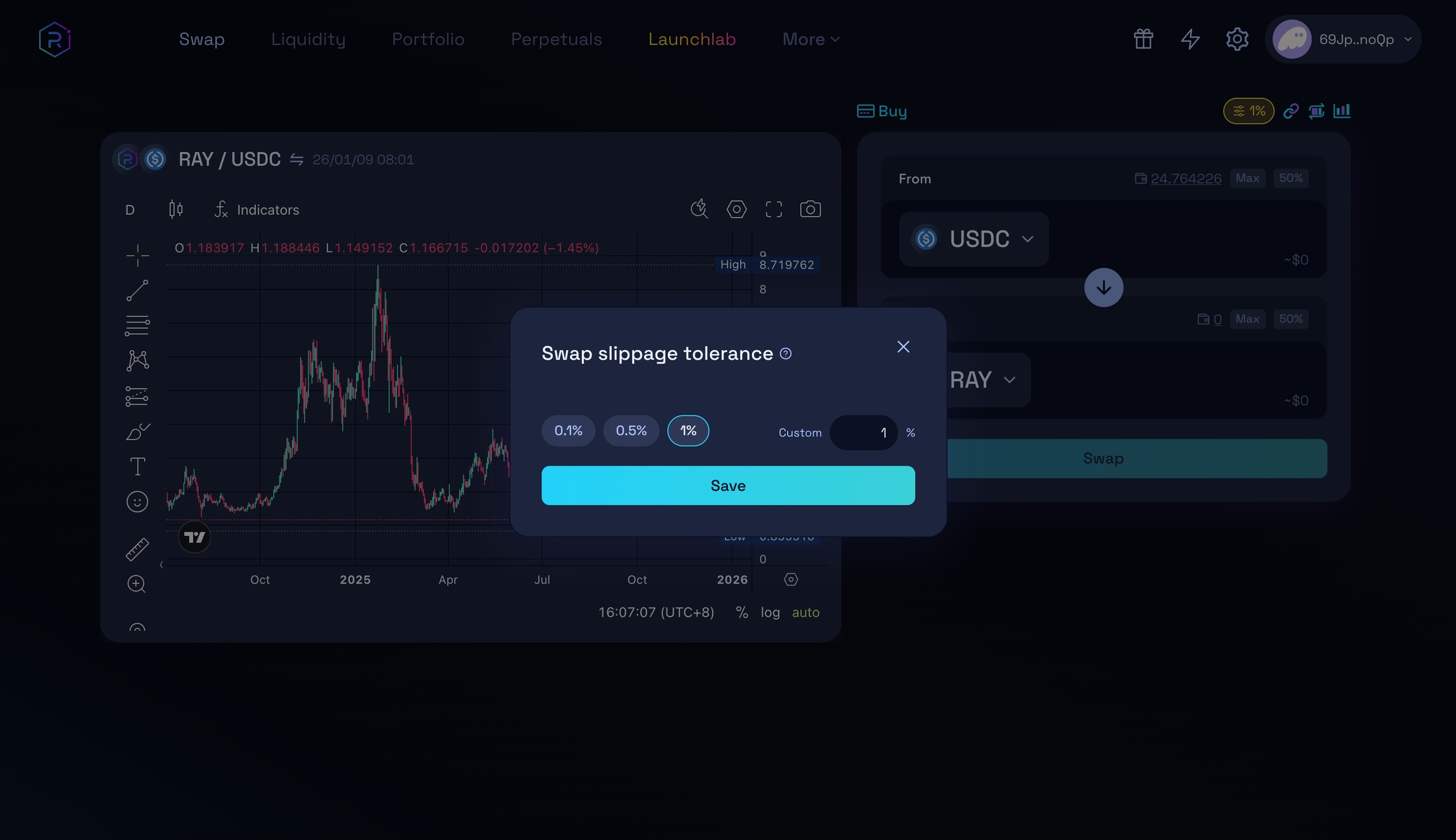
- #4 Render RENDER-USDC Raydium PoolRender Network's migration to Solana unlocks high-yield inference farming. Anticipated APYs 200-300%, 6x TVL expansion projected, fueled by institutional AI rendering adoption.

- #3 Grass GRASS-SOL Raydium PoolGrass protocol's AI data network pairs with SOL for optimal liquidity. Expected APYs 250-350%, robust 7x TVL growth factor leveraging cross-chain DeFi trends.

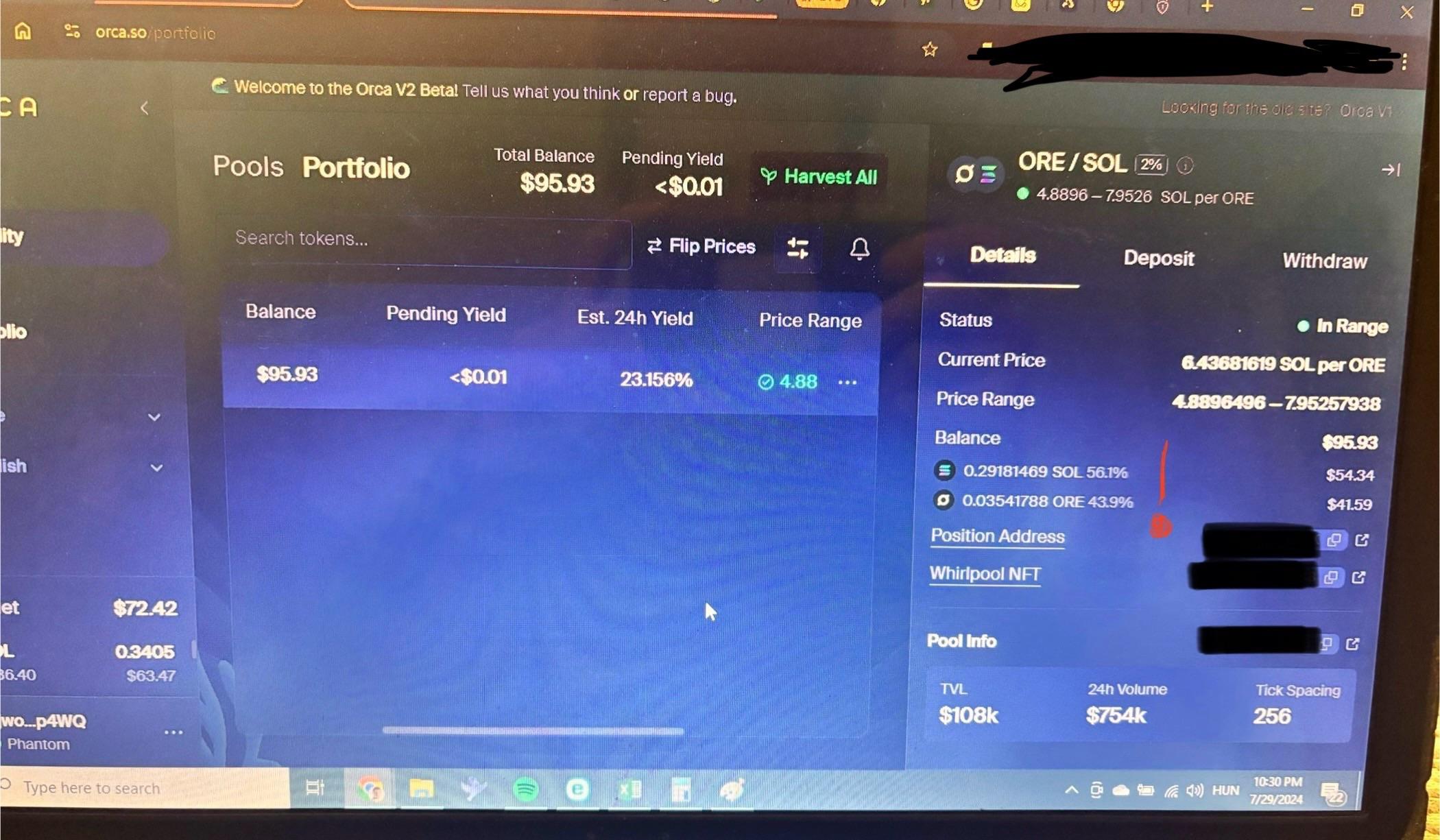
- #2 Nosana NOS-USDC Orca PoolNosana's GPU grid on Orca offers precise inference yields. Forecast APYs 300-400%, 8x TVL multiplier by 2027 via sustainable revenue models and security enhancements.
- #1 Aethir ATH-USDC Meteora PoolPremier decentralized cloud inference leader on Meteora. Top-tier projected APYs 350-500%, 10x TVL growth factor, positioned for explosive gains in AI-DeFi convergence.
io. net's pool leads with its marketplace for on-demand inference, drawing developers bypassing centralized clouds. Render follows, its 3D rendering compute yielding stable fees amid metaverse resurgence. Grass innovates with grassroots bandwidth sharing, paired SOL for volatility hedge. Nosana's edge on Orca taps specialized AI workloads, while Aethir's Meteora integration promises dynamic fees from cloud gaming demands. Collectively, these pools could see 15x token uplift, per AI-DeFi convergence forecasts.
io.net (IO) Price Prediction 2027-2032
Projections based on DePIN adoption, decentralized AI inference yield farming, and AI-DeFi convergence amid 2026 market trends
| Year | Minimum Price (USD) | Average Price (USD) | Maximum Price (USD) | Est. YoY Growth (Avg) |
|---|---|---|---|---|
| 2027 | $8.00 | $12.50 | $22.00 | +198% (from 2026 est. $4.20) |
| 2028 | $13.00 | $19.80 | $35.00 | +58% |
| 2029 | $19.00 | $28.50 | $50.00 | +44% |
| 2030 | $28.00 | $41.20 | $72.00 | +45% |
| 2031 | $40.00 | $59.50 | $105.00 | +44% |
| 2032 | $58.00 | $86.00 | $152.00 | +45% |
Price Prediction Summary
io.net (IO) is forecasted to see robust growth from 2027-2032, driven by exploding DePIN demand for AI inference and yield farming integrations. Average prices are projected to climb from $12.50 in 2027 to $86.00 by 2032 (over 20x from 2026 baseline), with highs up to $152 in bullish scenarios. Peers like RENDER, GRASS, NOS, and ATH expected to mirror gains (e.g., RENDER avg $30-120 range, GRASS $5-50), benefiting from shared ecosystem tailwinds, institutional adoption, and sustainable yields.
Key Factors Affecting io.net Price
- AI-DeFi merger enabling automated, high-yield inference farming strategies
- Rapid DePIN expansion with cross-chain L2 solutions boosting GPU compute accessibility
- Institutional capital inflows via tokenized RWAs and stable yield models
- Regulatory clarity reducing risks and accelerating mainstream adoption
- Sustainable revenue from fees over emissions, enhancing token value stability
- Security improvements via ZK tech mitigating exploits amid maturing ecosystem
- Bull/bear cycles: 2027-28 bull run on AI hype, 2029 dip, 2030+ recovery on real-world use cases
- Competition among IO, RENDER (rendering), GRASS (data), NOS (compute), ATH (staking) spurring innovation
Disclaimer: Cryptocurrency price predictions are speculative and based on current market analysis. Actual prices may vary significantly due to market volatility, regulatory changes, and other factors. Always do your own research before making investment decisions.
Yield Sustainability Amid Security Imperatives
Projections to 2027 hinge on sustainable models, shifting from emissions to protocol revenues - a welcome maturation. Harvest Finance analogs suggest FARM-like tokens climbing to $36-44 ranges, but inference natives may outpace on compute scarcity. Institutional adoption via fixed-income wrappers adds ballast, yet $3 billion in 2023 hacks underscore smart contract audits as non-negotiable. Cross-chain farming amplifies opportunities but mandates diversified exposure; in my portfolios, we cap any pool at 15% allocation, layering hedges via stablecoin stables.
Regulatory tailwinds, once feared, now clarify paths for broader capital inflows. ZK tech fortifies privacy in yield strategies, positioning Solana as the DeFi inference hub. Farmers eyeing these pools should prioritize platforms with audited bridges and dynamic risk engines, ensuring medium-term trends deliver superior alpha.



No comments yet. Be the first to share your thoughts!