
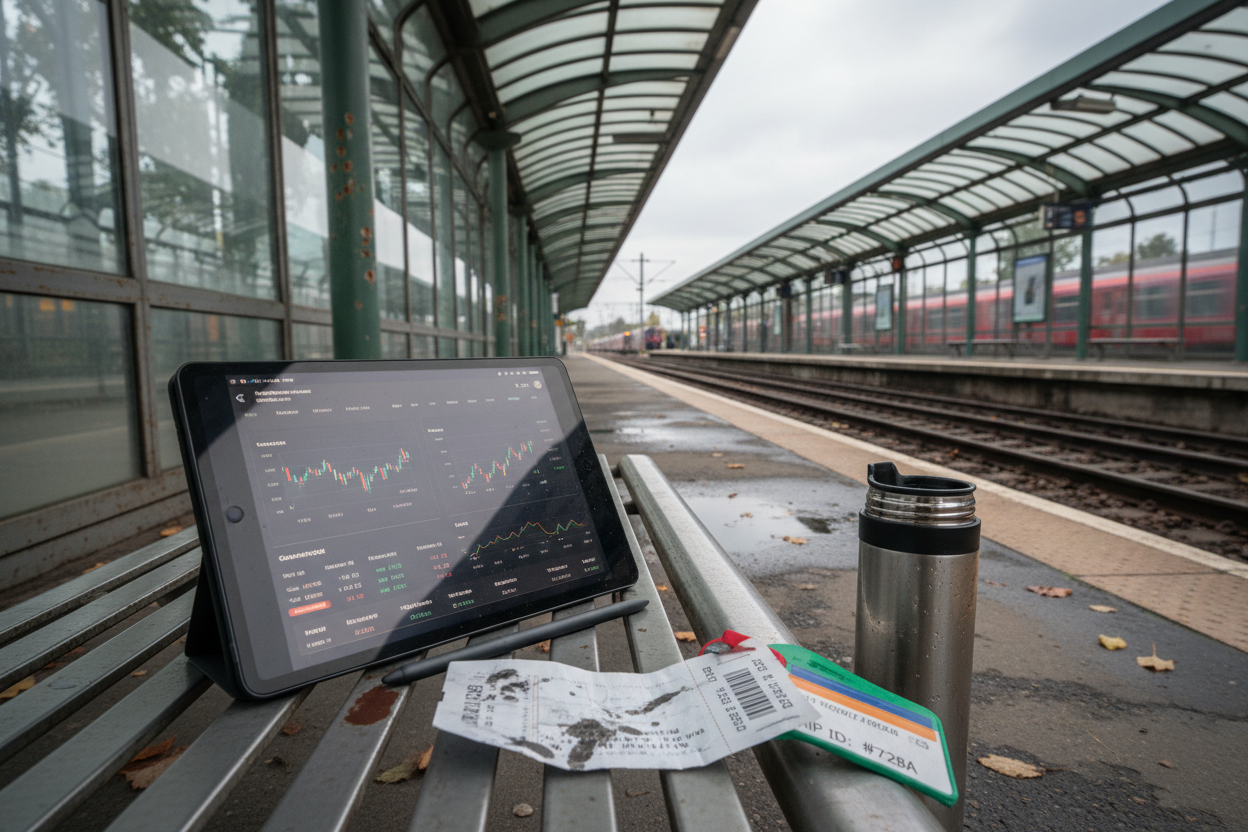
In the evolving landscape of decentralized inference markets, Render Network stands out as a pioneer bridging creative rendering with high-demand AI compute. With its RENDER token trading at $1.55, down 0.64% over the last 24 hours from a high of $1.64 and low of $1.48, the network faces both headwinds and opportunities. This price reflects a market digesting 2025's volatility while eyeing Render's strategic pivot toward AI inference, a sector projected to unlock vast value through tokenized GPU resources.
Render's journey began in 3D graphics but has matured into a robust platform for Render network inference. By harnessing idle GPUs worldwide, it delivers scalable solutions for AI model inference and training. The December 2025 launch of the Dispersed Compute Subnet marks a pivotal shift, optimizing for machine learning workloads and integrating powerhouse hardware like NVIDIA H100/H200 and AMD MI300X. This expansion targets a market exceeding $500 billion, positioning Render as a key player in bypassing centralized compute chokepoints.
From Rendering Roots to AI Compute Powerhouse
Historically, Render rewarded node operators with RENDER tokens for completing rendering jobs, a model now extending seamlessly to AI tasks. The Foundation's December 2025 report underscores this continuity: rewards flow directly to those contributing compute power. Yet, the real narrative for 2026 centers on compute scarcity. As one observer noted on Threads, decentralized GPU networks like Render enable production-grade tools, shifting focus from models to the infrastructure powering them.
This transition demands discipline. Render must sustain usage growth above its 500,000 monthly RENDER emissions to maintain economic viability. At $1.55, the token's valuation invites scrutiny; it's weathered a tough 2025, prompting questions about recovery paths. Conservative investors like myself view this as a classic case for conviction over speculation. Whitepaper analysis reveals strong tokenomics: RENDER facilitates payments for services while incentivizing supply-side participation, creating a flywheel for network effects in decentralized inference markets.
Render Network (RENDER) Price Prediction 2027-2032
Scenario-based forecasts in USD considering AI compute adoption, decentralized GPU expansion, market cycles, and technical analysis from 2026 baseline (~$2.00 avg)
| Year | Minimum Price | Average Price | Maximum Price | YoY % Change (Avg) |
|---|---|---|---|---|
| 2027 | $2.00 | $3.80 | $6.50 | +90% |
| 2028 | $3.50 | $6.50 | $11.00 | +71% |
| 2029 | $5.00 | $10.00 | $16.00 | +54% |
| 2030 | $7.00 | $13.60 | $21.00 | +36% |
| 2031 | $9.50 | $18.50 | $28.00 | +36% |
| 2032 | $12.00 | $24.00 | $36.00 | +30% |
Price Prediction Summary
RENDER is positioned for strong long-term growth due to its pivot to decentralized AI inference compute, leveraging idle GPUs in a $500B+ market. From a 2026 baseline near $1.55-$2.00, average prices are projected to rise progressively to $24.00 by 2032 (1,100%+ cumulative), with max potentials reaching $36 amid bullish AI adoption. Min prices reflect bearish risks like emissions dilution and competition.
Key Factors Affecting Render Network Price
- Strategic expansion to AI compute via Dispersed Subnet (Dec 2025) and high-end GPUs (H100/H200, MI300X)
- Rising demand for cost-effective decentralized GPU resources for AI training/inference
- Token utility in payments/rewards; challenge to exceed 500k monthly emissions with usage growth
- Bullish drivers: AI market explosion, Render's production-grade tooling integrations
- Bearish risks: regulatory hurdles, centralized competition, crypto market cycles
- Ventureburn outlook: post-$1.50 sweep recovery to $13.60 by 2030 aligns with avg 2030 forecast
Disclaimer: Cryptocurrency price predictions are speculative and based on current market analysis. Actual prices may vary significantly due to market volatility, regulatory changes, and other factors. Always do your own research before making investment decisions.
RENDER Token's Utility in Inference Ecosystems
The RENDER token's role in RENDER token compute is foundational yet understated. Users pay in RENDER for inference jobs, ensuring liquidity and alignment. Node operators earn these tokens, turning idle hardware into revenue streams. This trust-minimized execution, as detailed in Messari's overview, leverages blockchain for verifiable, distributed processing. Recent enterprise GPU integrations amplify capacity, handling complex workloads that centralized providers struggle to scale affordably.
Challenges persist. Forecasts from Phemex and CoinMarketCap highlight AI adoption as a growth driver, but risks like market saturation loom. Ventureburn's outlook tempers optimism: a potential dip to $1.50 before climbing to $13.60 by 2030. At today's $1.55, we're proximate to that sweep, underscoring the need for measured positioning. Render's vision of brand-owned AI experiences, as shared with DIGITIMES, aligns with broader trends; autonomous systems demand flexible compute, which Render supplies without intermediaries.

Navigating 2026 Trajectories in Decentralized Compute
Looking ahead, Render's integration of AI inference positions it favorably amid compute bottlenecks. Studio collaborations demonstrate real-world viability, powering creative tooling at scale. For fundamental investors, the token's utility in rewarding efficient nodes offers a moat against fleeting hype. Price predictions vary, but consistent $1.55 referencing anchors analysis; surpassing emissions through demand will dictate sustainability.
Tokenomics scrutiny reveals undervaluation potential. With RNDR migration complete, focus sharpens on adoption metrics. AInvest highlights the strategic AI pivot, while YouTube analyses like Gordon Frayne's probe resilience post-2025 drawdowns. My take: Render thrives by prioritizing long-term network health over short-term pumps, embodying disciplined growth in inference markets.




No comments yet. Be the first to share your thoughts!