
The decentralized inference limits to account for
Decentralized inference markets are currently defined by a fundamental tension: the promise of open, permissionless compute versus the reality of fragmented supply. The market is effectively splitting into two camps. On one side, centralized cloud providers offer reliable, high-performance GPUs. On the other, decentralized networks are attempting to build the permissionless alternative by aggregating idle hardware from individuals and small data centers. This split creates a unique set of constraints for anyone looking to use or build on these platforms.
The primary constraint is reliability. Because decentralized inference relies on a distributed network of nodes rather than a single, managed infrastructure, latency and uptime can vary significantly. A model hosted across multiple nodes may face higher latency than a dedicated cloud instance, especially during peak demand. This variability is the trade-off for lower costs and greater data privacy. Users must decide whether the cost savings justify the potential performance instability.
Another major hurdle is verification. In a centralized system, you trust the provider to run the inference correctly. In a decentralized market, you must verify that the computation was performed accurately without revealing your data. This requires complex cryptographic proofs or reputation systems, which add overhead and complexity to the user experience. As a result, only the most technically sophisticated users or those with specific privacy requirements currently find these markets viable.
Despite these challenges, the constraint is also the catalyst for innovation. As networks mature, they are developing better routing algorithms and incentive structures to mitigate latency and ensure accuracy. The goal is not to replace centralized clouds entirely, but to offer a viable alternative for workloads where privacy and cost are more critical than raw speed. For now, users should approach decentralized inference markets with clear expectations about performance limits and use cases.
Decentralized inference markets: choices that change the plan
Building on the split between centralized cloud providers and decentralized networks, evaluating these markets requires looking at the specific mechanics of token-coordinated compute. Projects like io.net, Akash, Render, Aethir, and Nosana have built permissionless infrastructure, but they introduce distinct operational variables compared to traditional APIs.
When selecting a platform, you are balancing cost efficiency against reliability and data sovereignty. The following comparison breaks down the primary tradeoffs across four critical dimensions. Understanding these differences helps determine which network aligns with your latency requirements and budget constraints.
| Factor | Cost | Latency | Reliability | Data Privacy |
|---|---|---|---|---|
| Centralized Cloud | High fixed costs, pay-per-token | Low (dedicated infrastructure) | Very high (SLAs) | Low (data resides on provider servers) |
| Decentralized Networks | Low (competitive bidding) | Variable (depends on node proximity) | Moderate (node churn risk) | High (local execution, zero-knowledge proofs) |
Cost is the primary driver for adoption. Decentralized markets often offer prices 40–60% lower than major cloud providers because they aggregate underutilized GPU capacity from diverse sources. However, this savings comes with latency variability. Since nodes are geographically distributed, response times can fluctuate based on network congestion and physical distance.
Reliability is another key consideration. Centralized providers offer strict service level agreements (SLAs) and dedicated hardware. Decentralized networks rely on consensus mechanisms and token incentives to ensure uptime. While generally stable, you may encounter node failures or latency spikes that require fallback strategies.
Data privacy is where decentralized inference shines. Instead of sending sensitive data to distant servers, the model comes to your data. This local execution model, often supported by zero-knowledge proofs, significantly reduces exposure to data breaches and compliance violations common in centralized cloud environments.
To understand the market dynamics driving these prices, you can view the live performance of major infrastructure tokens. This data reflects investor sentiment and network activity, which often correlates with platform stability and adoption rates.
How to evaluate decentralized inference networks
Choosing a decentralized inference provider requires shifting from trust-based vendor selection to verifiable proof. The market is currently splitting into two distinct camps: centralized cloud providers and permissionless decentralized networks. To navigate this, you need a practical checklist that prioritizes computational integrity and economic sustainability over marketing claims.
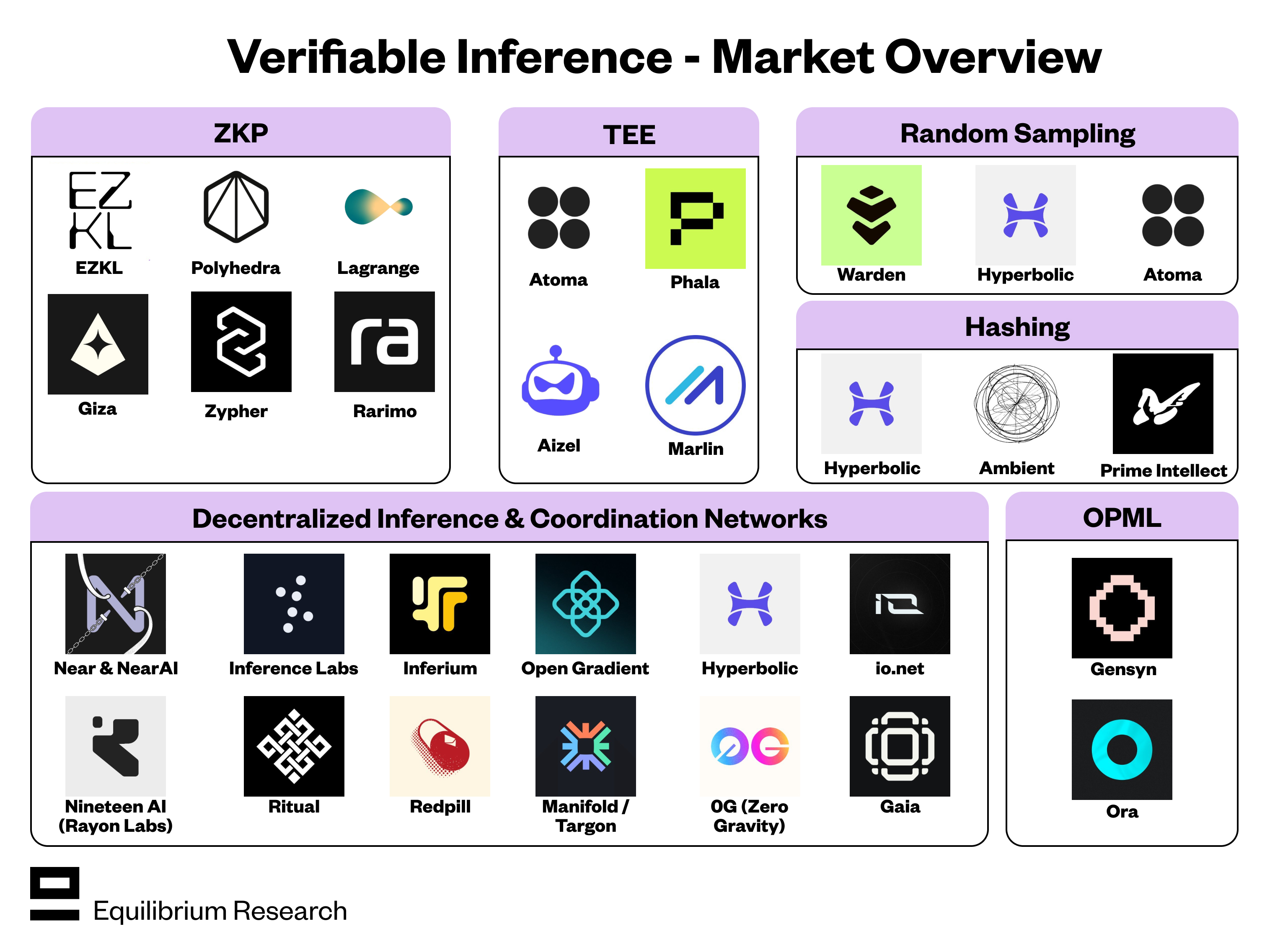
Look for networks that use zero-knowledge proofs or similar cryptographic methods to validate computation. Without this, you cannot distinguish between a node that ran your model correctly and one that returned a cached or fake result. This is the baseline security layer.
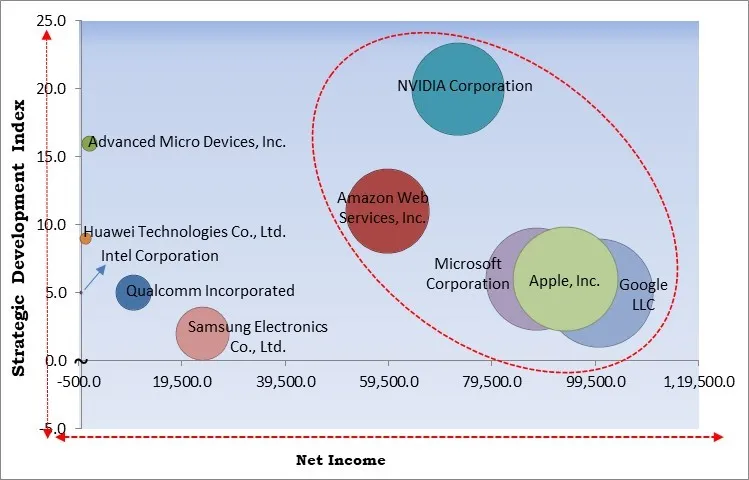
Check the number of active nodes and their locations. A healthy network should have thousands of independent operators, not a few large data centers. Geographic diversity reduces latency for end-users and prevents single points of failure that centralized providers often face.

Ensure the reward structure incentivizes honest computation, not just uptime. If the token value is too volatile or the rewards are too low, nodes may cut corners on hardware quality. Look for stable fee structures that cover hardware costs without excessive markup.
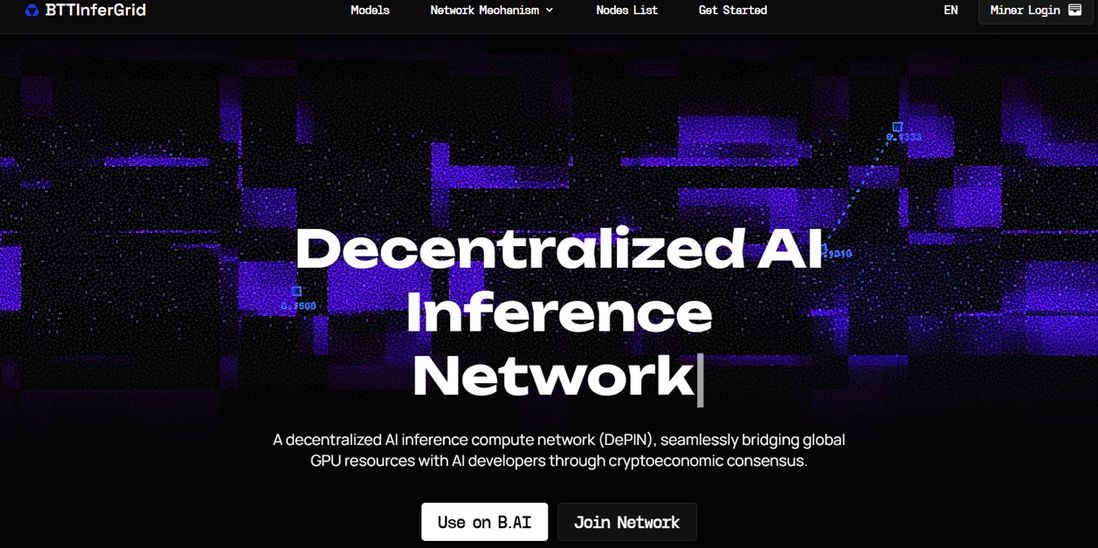
Run small test jobs during peak hours. Decentralized networks can suffer from queue delays if node supply is low. Compare response times against centralized alternatives to determine if the trade-off in speed is acceptable for your use case.
| Feature | Centralized | Decentralized |
|---|---|---|
| Verification | Trust-based | Cryptographic proof |
| Latency | Consistent | Variable |
| Cost Structure | Predictable | Token-volatile |
| Privacy | Data leaves premises | Data stays local |
Spotting Weak Options in Decentralized Inference
The decentralized inference market is splitting into two distinct camps: centralized cloud providers and permissionless networks. As researchers note, this divergence creates confusion for buyers trying to evaluate cost versus reliability. Many projects market themselves as fully decentralized while relying on opaque validation layers. You need to verify the actual node distribution and incentive structures before committing.
Common Mistakes and Fixes
Mistake: Ignoring Latency Tradeoffs Decentralized networks often introduce latency compared to centralized GPUs. Fix this by checking the network’s p99 latency metrics, not just averages. High variance can break real-time inference applications.
Mistake: Overlooking Data Privacy Claims Some platforms claim "privacy-preserving" inference without clear cryptographic proof. Fix this by requiring zero-knowledge proof (ZKP) documentation or trusted execution environment (TEE) audits. Without these, data may still be exposed during computation.
Mistake: Assuming Token Price Equals Value Token price movements do not reflect actual network utility or compute demand. Fix this by tracking active compute hours and revenue per token. A rising token price with stagnant usage often signals speculation, not adoption.
Proof Checks
Before integrating any decentralized inference solution, run these checks:
- Verify node geodistribution to ensure no single region dominates.
- Audit the smart contract for withdrawal restrictions or central admin keys.
- Test latency under load to confirm real-world performance matches marketing claims.
These steps help separate genuine infrastructure projects from marketing-heavy wrappers. The goal is to find systems that offer true permissionless access without hidden centralization risks.
Decentralized inference markets: common: what to check next
Before committing compute resources or integrating these networks, it helps to separate the hype from the actual infrastructure. These answers address the practical distinctions between inference markets, prediction markets, and general marketing strategies.
No comments yet. Be the first to share your thoughts!