
Decentralized inference limits to account for
Use this section to make the The Decentralized Inference Boom decision easier to compare in real life, not just on paper. Start with the reader's actual constraint, then separate must-have requirements from details that are merely nice to have. A practical choice should survive normal use, maintenance, timing, and budget. If a recommendation only works in an ideal situation, call that out plainly and give the reader a fallback path.
The simplest way to use this section is to write down the must-have criteria first, then compare each option against those criteria before weighing nice-to-have features.
Decentralized inference choices that change the plan
Moving away from centralized cloud providers introduces specific operational friction. You are trading the simplicity of a single vendor contract for a complex supply chain of heterogeneous hardware. Before committing, evaluate three concrete factors: latency stability, verification costs, and hardware fragmentation.
Latency and Network Overhead
Centralized clouds optimize for low-latency internal networking. Decentralized networks must route requests across the public internet, introducing jitter. For real-time applications like chatbots, this latency is often unacceptable. However, for batch processing or non-interactive tasks, the delay is negligible. Prime Intellect targets 100ms latency for consumer GPUs, but this requires sophisticated orchestration to stitch together fragmented compute resources.
Verification and Trust Models
In a centralized environment, you trust the provider not to tamper with results. In decentralized inference, you must verify correctness. Research identifies three primary approaches: zero-knowledge proofs, optimistic fraud proofs, and cryptoeconomics. Zero-knowledge proofs offer strong security but are computationally expensive, potentially negating cost savings. Optimistic proofs are cheaper but rely on a challenge period, delaying finality. Choose the model that aligns with your risk tolerance.
Hardware Fragmentation
Cloud providers offer standardized instances. Decentralized inference relies on diverse hardware, from consumer GPUs to specialized ASICs. This fragmentation creates compatibility issues. Models must be optimized for specific architectures, increasing development overhead. You may face situations where a request is routed to incompatible hardware, leading to failure. Rigorous testing across the provider network is essential.
| Factor | Centralized Cloud | Decentralized Network | Key Tradeoff |
|---|---|---|---|
| Latency | Predictable, low | Variable, higher | Real-time apps suffer |
| Cost | Premium pricing | Market-driven, lower | Hidden verification costs |
| Verification | Trust provider | Cryptographic proofs | Computational overhead |
| Hardware | Standardized | Fragmented | Compatibility complexity |
Market Context
The economic incentives driving decentralized inference are reflected in the underlying tokenomics. Understanding the price action of relevant infrastructure tokens can signal network health and adoption trends.
Technical analysis of these assets often reveals correlation with broader crypto market cycles, but network-specific metrics like active nodes and inference volume provide deeper insight into long-term viability.
Final Checklist
-
Test latency for your specific use case.
-
Evaluate verification costs against savings.
-
Ensure hardware compatibility with your model.
-
Monitor network stability before scaling.
How to choose a decentralized inference provider
Centralized cloud providers offer predictable uptime, but decentralized inference networks promise lower costs by leveraging underutilized consumer GPUs. The tradeoff is latency and reliability. To pick the right provider for your AI agent, run through this five-step evaluation.
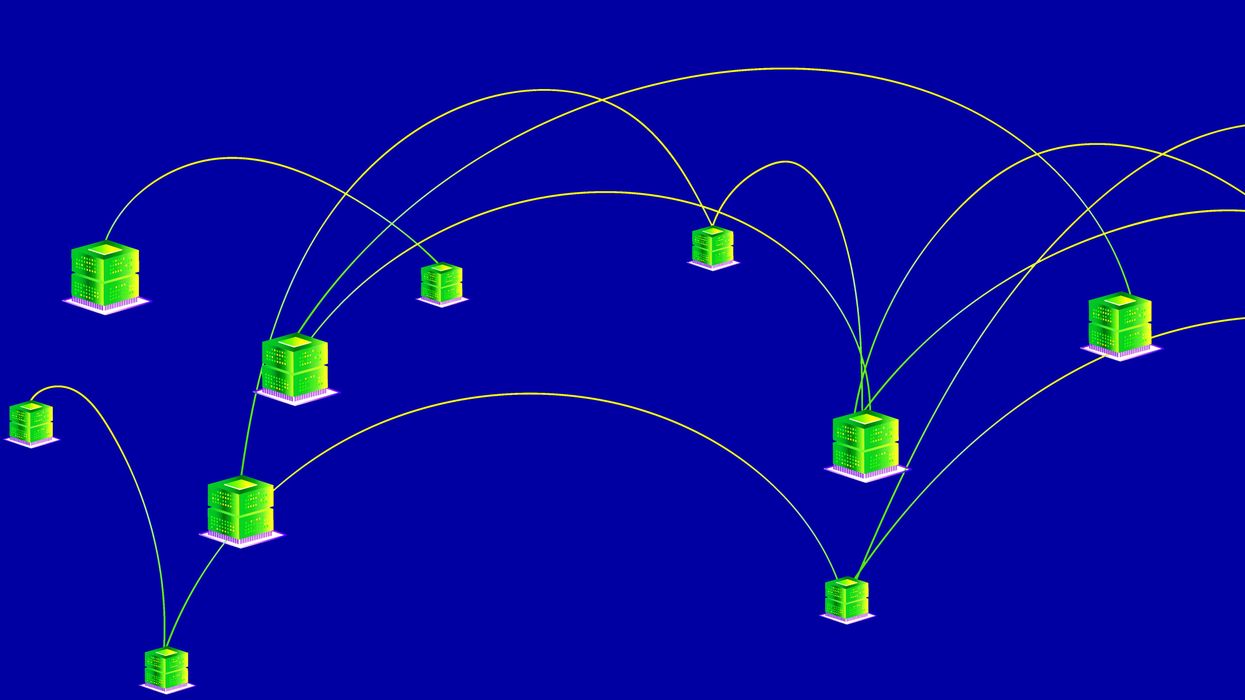
Decentralized inference struggles with high latency because it relies on distributed nodes. Look for providers like Prime Intellect that explicitly target the 100ms latency threshold required for real-time AI agents. If a provider cannot guarantee sub-200ms response times, it will fail in interactive applications.

Not all GPUs are equal. Ensure the network has sufficient availability of the specific GPU type your model requires (e.g., A100s vs. consumer RTX cards). Consumer-grade GPUs are cheaper but may struggle with larger models or high-throughput inference. Check if the provider aggregates enough nodes to handle your peak load without queuing.

Decentralized networks rely on tokenomics to keep nodes online. Review the provider’s economic model: do they use stablecoins for payouts, or volatile tokens? Stablecoin payments provide more predictable operational costs for your business. Avoid networks where node operators are incentivized to prioritize short-term gains over long-term stability.
Single-node failures are common in decentralized setups. Ask how the network handles node drops. Does it automatically reroute requests to other nodes without dropping the session? Providers with robust mesh networking (like BitTorrent-based inference) offer better redundancy than simple peer-to-peer lists.
Compare the raw inference cost against the engineering overhead. Decentralized inference is cheaper per token, but you may need to build custom routing logic. Factor in the cost of your development team’s time to integrate and monitor the decentralized stack versus the premium paid for centralized cloud reliability.
If latency is your primary constraint, stick to centralized clouds. If cost and data privacy are the drivers, decentralized inference is worth the integration effort.
Spotting Weak Options in Decentralized Inference
The 2026 decentralized inference boom is attracting hype, but not every option delivers value. Many projects overpromise on speed and underdeliver on reliability. You need to separate real infrastructure from marketing noise.
Start by checking latency claims. Decentralized networks often struggle with the low-latency requirements of real-time AI inference. If a provider promises sub-100ms responses across a global network of consumer GPUs, treat that with skepticism. Data centers offer consistent performance because they control the physical proximity of hardware. Consumer-grade nodes introduce variable network hops that can break real-time applications.
Next, evaluate the incentive structure. Decentralized inference relies on a market of idle compute providers. This model works for training, where latency is less critical, but it is fragile for inference. If the reward for providing compute drops below electricity costs, nodes go offline. This creates a reliability gap that centralized clouds do not face.
Finally, look at the governance layer. Centralized providers like AWS or Google Cloud offer clear SLAs and accountability. Decentralized alternatives often fragment responsibility across smart contracts and token holders. When inference fails, it is unclear who fixes it. Stick to options with transparent, enforceable guarantees.
No comments yet. Be the first to share your thoughts!