Maximizing GPU Yields Through Staking in Decentralized Inference Markets 2026
In 2026, GPU owners face a transformative opportunity: staking hardware in decentralized inference markets to unlock yields surpassing traditional cloud rentals. As AI inference demand surges from agentic systems and prediction markets, platforms tokenize compute power, letting providers earn tokens through validated contributions. This shift bypasses centralized providers’ margins, offering GPU yields decentralized AI networks amplify via staking incentives. With Bittensor’s TAO rewards and Render’s RNDR expansion, savvy investors can compound returns while securing network integrity.


The Rise of Tokenized Compute Protocols in 2026
Decentralized inference has matured into a robust ecosystem by 2026, where tokenized compute protocols 2026 dominate. GPU providers stake native tokens alongside hardware, earning dual rewards: inference fees and staking yields. This model, seen in platforms like Aethir and io. net, aligns incentives for uptime, quality, and scalability. Unlike volatile yield farming, these protocols tie returns to real-world AI workloads, reducing speculation risks. My analysis, drawing from 15 years in crypto fundamentals, highlights sustainable tokenomics as the differentiator; projects with audited vaults and LST-like mechanics, akin to stETH, compound effectively.
Current trends underscore this: Aethir enables AI agents to book GPUs autonomously, while Bittensor’s machine intelligence network rewards model training. Render Network supports AI rendering and inference, io. net aggregates global GPUs for on-demand compute, and Nosana focuses on verifiable AI tasks. Staking here yields 8-15% APY, adjusted for risks like slashing for downtime.

Dissecting Staking Mechanics Across Top Protocols
Inference crypto staking strategies vary, but core principles persist: lock tokens, allocate GPUs, prove contributions via zero-knowledge proofs or oracles, and claim rewards. Aethir leads with dynamic allocation; stakers pledge ATH tokens to bid on workloads, earning from enterprise bookings. Yields hover around 12%, bolstered by agentic AI demand projected to explode.
Top 5 GPU Yield Protocols
-
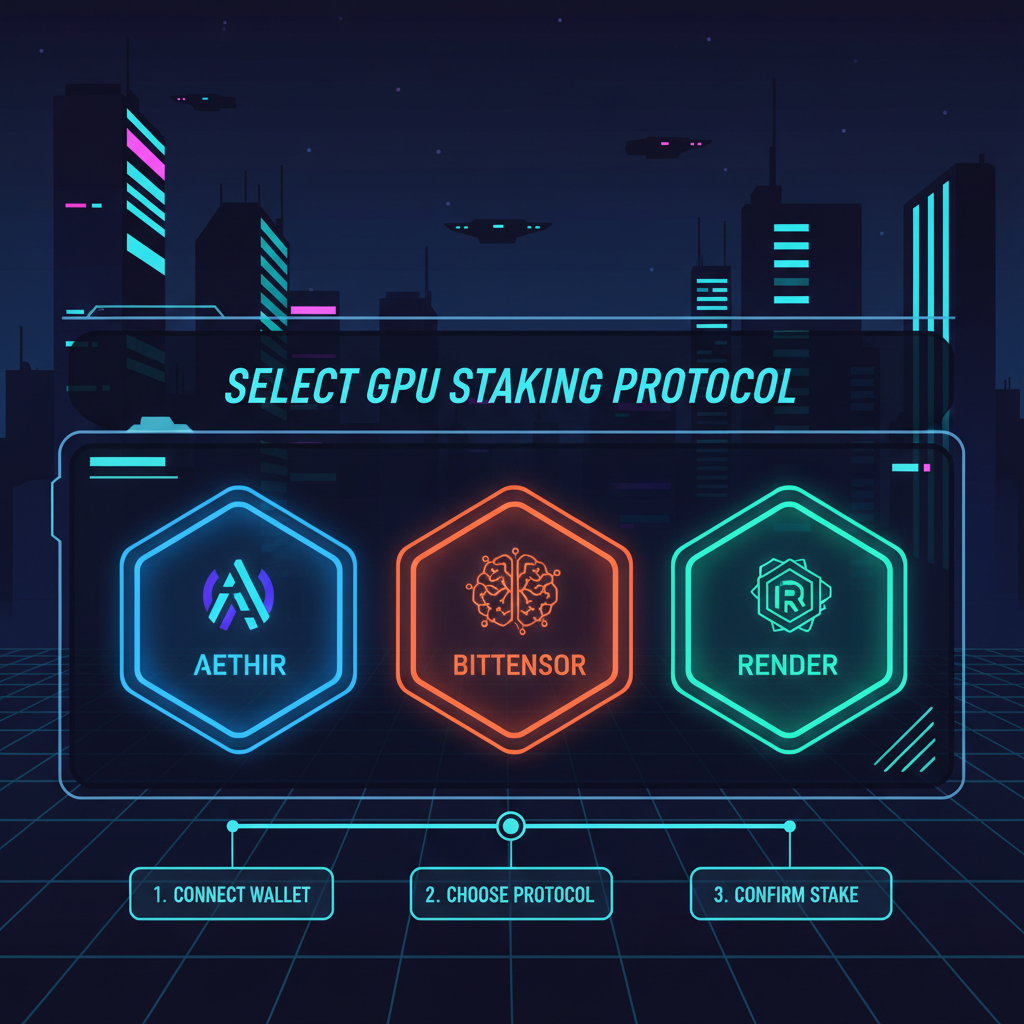
1. Aethir: Pioneers agentic AI booking for GPU compute, delivering 12% staking yields in decentralized inference markets. Tokenomics: ATH token stakes secure capacity; rewards from usage fees. Risks: High volatility, reliance on AI demand growth, smart contract vulnerabilities.
-
2. Bittensor: Decentralized machine intelligence via TAO staking for AI model training and inference. Providers earn TAO rewards proportional to contributions. Tokenomics: Staking secures subnets; emissions incentivize participation. Risks: Competitive subnets, token dilution, model quality variance.
-
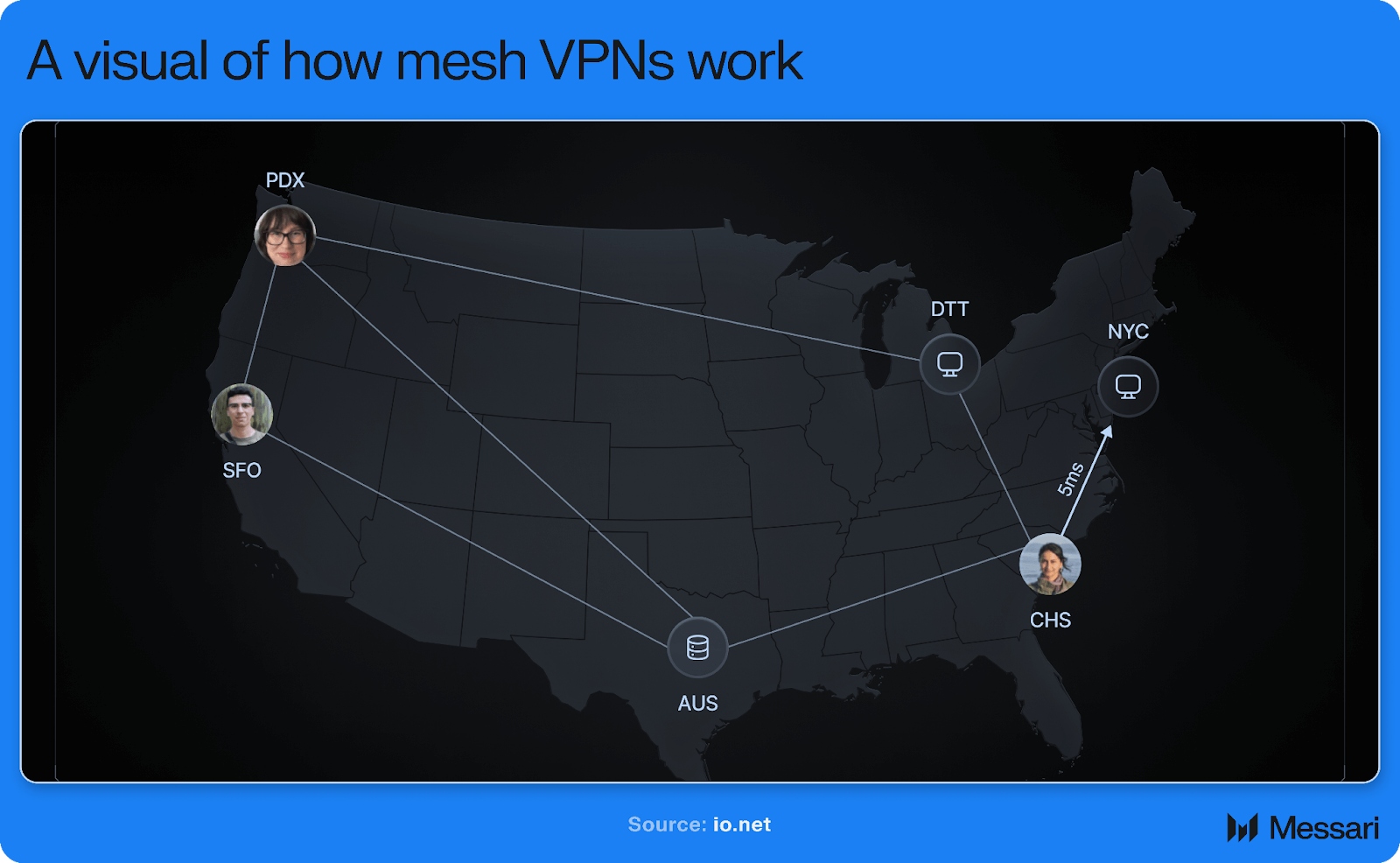
3. io.net: Aggregates global GPUs for on-demand AI compute, enabling staking to supply verifiable inference power. Tokenomics: ION tokens for staking and payments. Risks: Network centralization risks, low utilization periods, regulatory scrutiny on DePIN.
-

4. Render Network: Powers AI inference and rendering with RNDR staking for GPU contributions. Expanded for decentralized AI workloads. Tokenomics: Stake RNDR to earn from job payments. Risks: Competition from centralized clouds, token price swings, job demand fluctuations.
-
5. Nosana: Verifiable compute tasks on Solana, staking NOS for GPU jobs in AI pipelines. Tokenomics: Rewards via proven work proofs. Risks: Solana network congestion, verification overhead, emerging market adoption.
Bittensor stands out for value investors. Stakers lock TAO to validators, who subnet GPUs for intelligence production. Rewards scale with subnet performance, fostering competition. This merit-based system, I’ve observed, drives long-term value over hype-driven pumps.
Aethir and Bittensor: Yield Benchmarks and Risks
Aethir’s edge compute network targets real-time inference, where stakers optimize GPU clusters for AI agents. By staking, providers access premium workloads, mitigating idle hardware losses. Risks include oracle failures, but audited contracts minimize exploits. Bittensor, conversely, emphasizes collaborative intelligence; GPU contributions to subnets yield TAO proportional to value added, with staking securing against sybil attacks.
io. net complements by pooling underutilized GPUs worldwide, enabling spot-market staking. Render Network, expanding from graphics to AI, lets RNDR stakers fulfill inference jobs, with yields tied to Octane render nodes. Nosana’s grid ensures tamper-proof computations, ideal for privacy-sensitive tasks. Each protocol’s tokenomics reward longevity: burn mechanisms and buybacks stabilize prices amid volatility.
Among these, Nosana’s focus on verifiable tasks sets it apart, using blockchain proofs to ensure computations are accurate and fraud-resistant. GPU stakers earn NOS tokens through a marketplace that matches jobs to hardware specs, yielding steady returns from AI verification workloads. This protocol’s emphasis on quality over quantity appeals to my value-investing lens, where tokenized compute protocols 2026 prioritize audited security over raw scale.
Yield Benchmarks: A Data-Driven Comparison
To quantify opportunities, consider risk-adjusted returns across the top protocols. Staking in these networks typically offers 8-15% APY, blending inference fees with token emissions. Factors like network utilization and token velocity influence sustainability; high-demand platforms like Aethir sustain higher yields through enterprise integrations, while Bittensor’s meritocracy caps dilution via performance gates. io. net’s aggregation model shines in spot markets, Render excels in creative AI, and Nosana in precision tasks. Fundamentals dictate: opt for protocols with deflationary mechanics and real adoption metrics.
Comparison of Top 5 DeFi Protocols for GPU Staking Yields in 2026
| # | Protocol | Yield (APY) | Rewards & Tokenomics | Key Risks | Risk Score |
|---|---|---|---|---|---|
| 1 | Aethir | 12% | ATH staking for agentic AI compute | Low agentic AI risk | Low 🟢 |
| 2 | Bittensor | 10-14% | TAO rewards via staking, sybil slashing | Sybil slashing | Medium 🟡 |
| 3 | io.net | 11% | IO spot aggregation | Utilization volatility | Medium 🟡 |
| 4 | Render Network | 9-13% | RNDR staking for inference | Job backlog risk | Medium 🟡 |
| 5 | Nosana | 8-12% | NOS verifiable tasks | Oracle dependency | High 🔴 |
This table underscores a key insight from my 15 years analyzing crypto: yields aren’t static. They correlate with AI demand cycles, where inference workloads from agents and predictions drive premiums. Platforms mitigating idle time via dynamic bidding, as in Aethir, outperform static pools.
Inference Crypto Staking Strategies for Maximum Returns
Inference crypto staking strategies demand nuance. Diversify across 2-3 protocols to hedge risks: allocate 40% to Aethir for growth, 30% Bittensor for intelligence upside, and the rest to io. net or Render for liquidity. Monitor subnet performance in Bittensor or job queues in Render, adjusting stakes quarterly. Compound rewards into LSTs where available, mimicking stETH’s efficiency. Avoid over-leveraging; slashing penalties for downtime can erase 5-10% of stake, so prioritize reliable hardware and uptime bots.
Maximizing GPU Yields: Stake in Decentralized Inference Markets

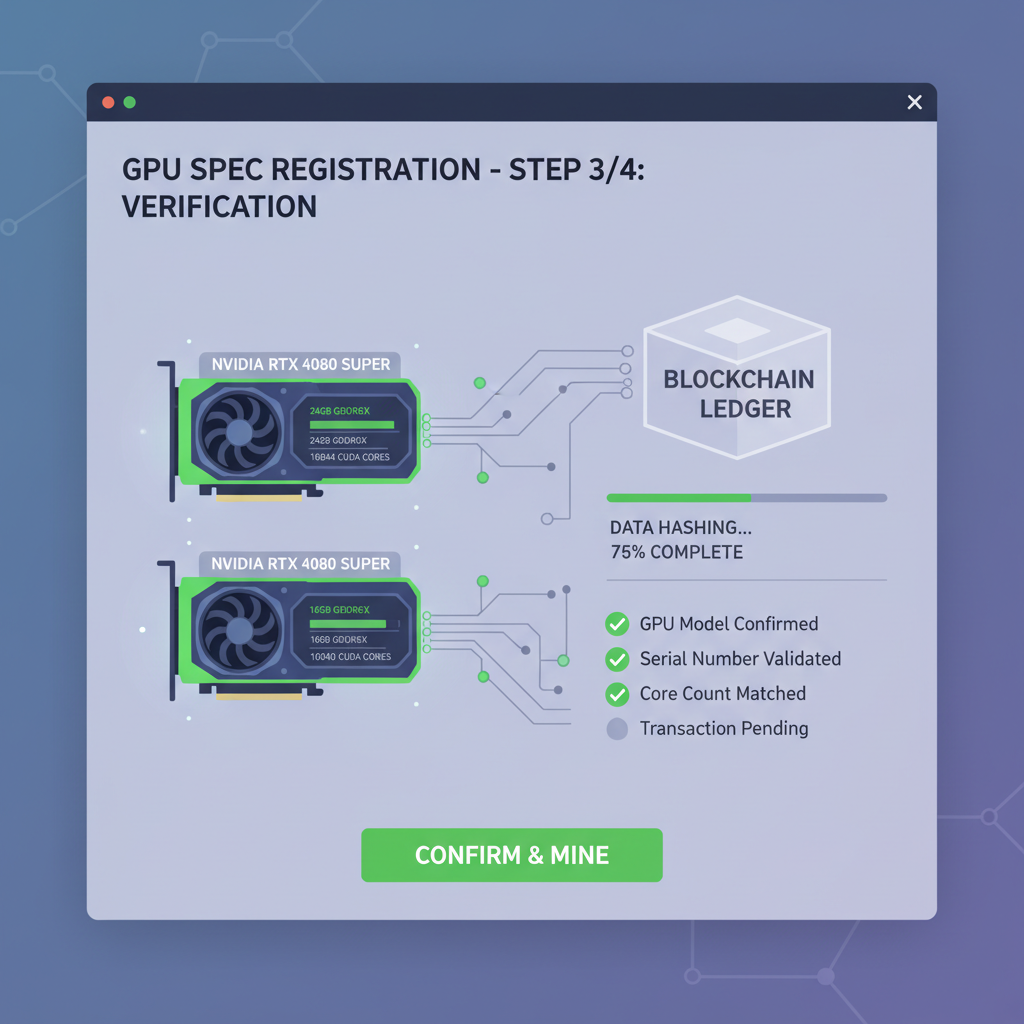
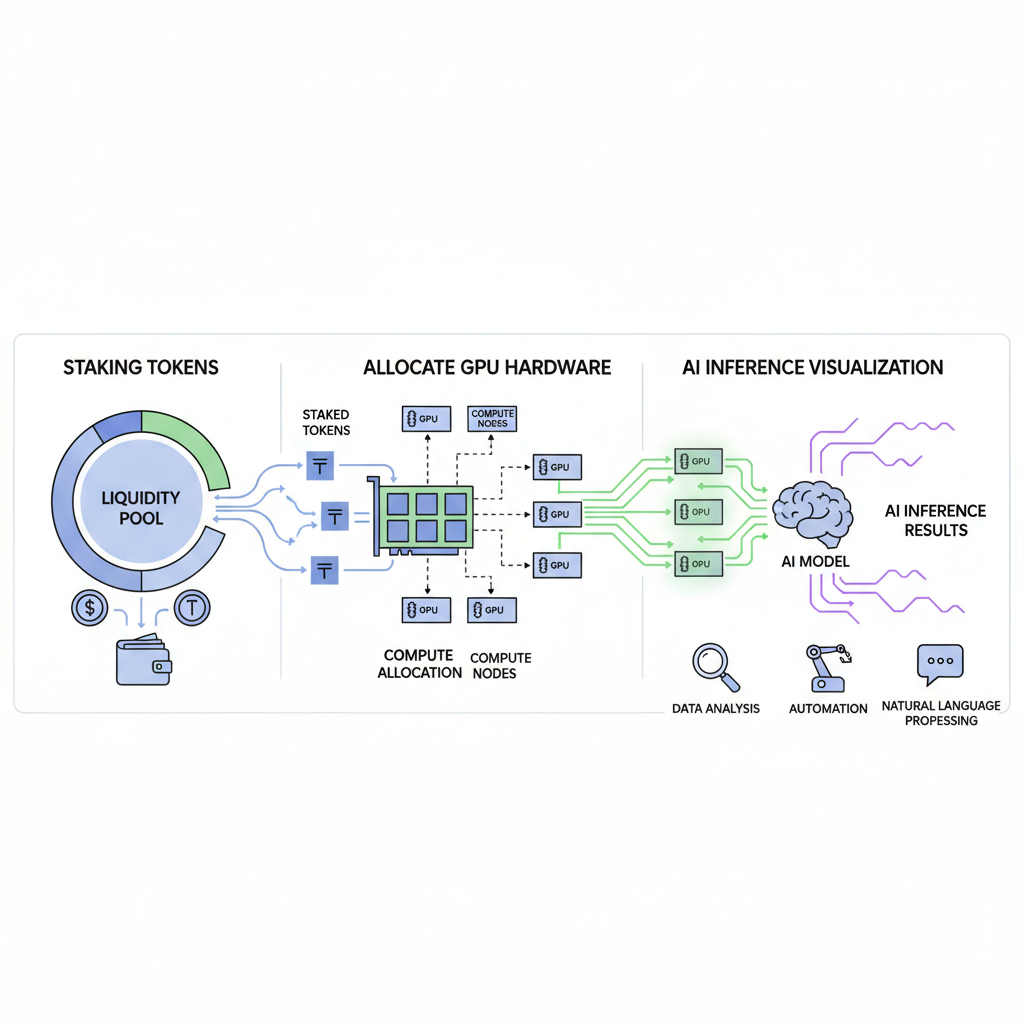
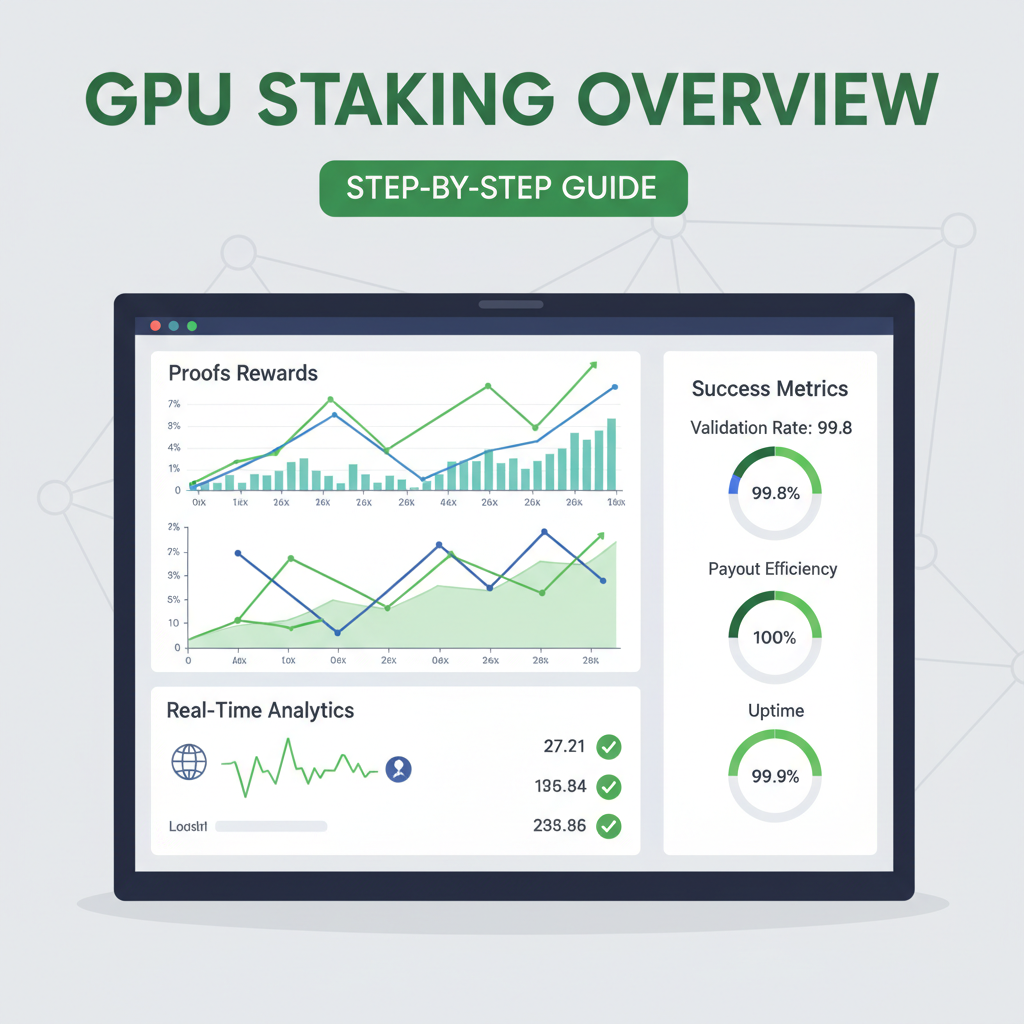
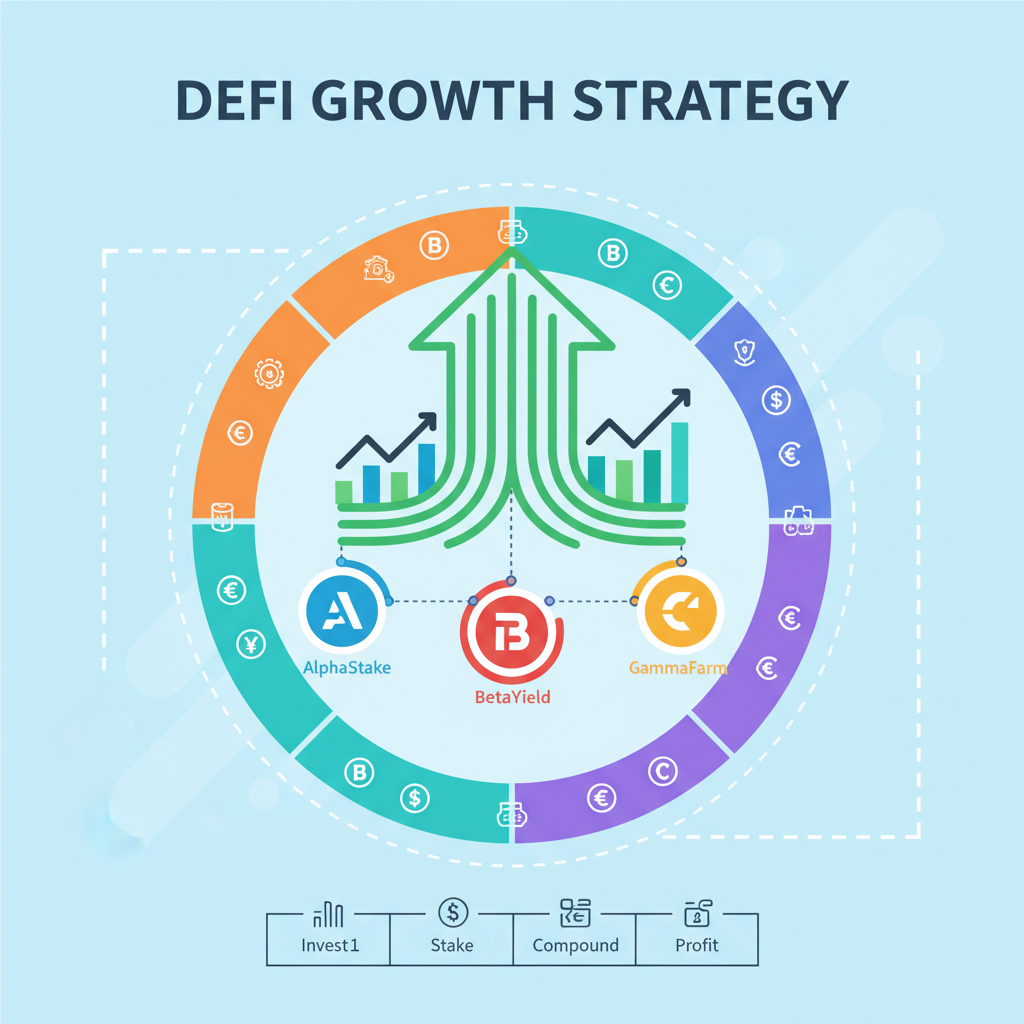
Following this guide, a mid-tier RTX 4090 owner could generate $2,000 and annual yields at current utilization, scaling with network growth. Bittensor validators, for instance, report 12% net after fees, per recent subnet data. io. net’s global pool reduces geographic risks, while Nosana’s proofs build trust for enterprise pilots.
Risks persist: oracle manipulations or token dumps during bear phases. Yet, 2026 trends from Messari and CoinDesk reports signal bullishness, with decentralized AI training birthing new asset classes. GPU networks like Render position for inference dominance, as centralized clouds falter on costs. Aethir’s agentic vision aligns with predictions of autonomous bookings, per their outlook.
For long-term holders, Bittensor embodies sustainable growth; its TAO staking rewards model intelligence production, not hype. Pair it with Nosana for defensive yields. In volatile markets, patience prevails: stake conservatively, track fundamentals like TVL growth and workload volume, and rebalance amid AI booms. GPU owners staking here aren’t just renting compute; they’re investing in the backbone of decentralized intelligence, compounding hardware into enduring value.