Proof of Inference Protocols in Decentralized AI Compute Markets

In the rapidly expanding arena of decentralized AI compute markets, proof of inference protocols emerge as a vital mechanism for establishing trust without intermediaries. These protocols enable verifiers to confirm that an AI model has processed inputs correctly and produced accurate outputs, all while preserving privacy through cryptographic primitives like zero-knowledge proofs. From my vantage as a long-term investor in AI inference cryptos, this shift toward verifiable computations feels like a foundational upgrade, one that could underpin scalable networks where compute is tokenized and traded efficiently.

Traditional Black-Box AI Inference vs. Inference Labs’ ZK-VIN
| Aspect | Traditional Black-Box AI Inference | Inference Labs’ ZK-VIN (Zero-Knowledge Verified Inference Network) |
|---|---|---|
| Verifiability | Opaque outputs; requires blind trust in provider | Zero-knowledge proofs (ZK) enable trustless verification of computations without revealing sensitive data |
| Privacy | Inputs, outputs, and model details often exposed | ZK preserves privacy of inputs, outputs, and model weights |
| Performance | Industry-standard zkML proof generation speed | 76% faster zkML proof generation (Omron subnet benchmark) |
| Decentralization | Relies on centralized compute providers | Decentralized marketplace for zkML proofs and verifiable AI compute |
| Trust Model | Centralized oversight and honest actor assumption | Trustless via cryptographic proofs and peer consensus (e.g., swarm intelligence influences) |
| Scalability & Cost | Limited by central infrastructure; high verification overhead | Scalable via partnerships (e.g., Cysic ASIC compute); near-negligible verification costs |
| Market Impact | Standard for proprietary AI services | Enables decentralized AI compute markets with transparent, auditable inference (e.g., Proofs of Inference project) |
The appeal lies in their ability to address a core pain point: black-box AI models. Traditional inference relies on faith in centralized providers, but proof of inference flips this script. Providers generate succinct proofs alongside outputs, which anyone can check on-chain. This fosters competition among decentralized nodes, driving down costs while upholding integrity. zkML verification, in particular, has gained traction, with projects demonstrating proofs that are both lightweight and robust against tampering.
Core Principles Underpinning Proof of Inference
At their heart, these protocols leverage zero-knowledge machine learning techniques to attest to the inference step specifically, rather than full model training. Imagine a network where node operators stake tokens on their computations; faulty proofs slash stakes, aligning incentives perfectly. Recent arXiv papers, such as those outlining the VeriLLM framework, highlight protocols verifiable under minimal assumptions, like one honest verifier, with overheads so low they barely dent performance.
This conservative approach appeals to me. Unlike hype-driven narratives, proof of inference builds wealth through verifiable scarcity. Decentralized compute markets thrive when outputs are tamper-proof, attracting developers wary of centralized chokepoints. On-chain AI proofs ensure every inference traces back to honest execution, opening doors for applications in DeFi oracles, autonomous agents, and privacy-focused analytics.

Fortytwo Protocol and Swarm Intelligence Resilience
One standout is the Fortytwo Protocol, which introduces swarm intelligence via peer-ranked consensus. Nodes collectively rank inferences, mitigating adversarial attacks that plague single-point systems. This peer-validation layer enhances resilience, crucial for decentralized AI inference where malicious actors might flood networks with bad data. The protocol’s design, detailed in recent research, shows marked improvements in accuracy under stress, positioning it as a contender in high-stakes environments.
Key Proof of Inference Advancements
-
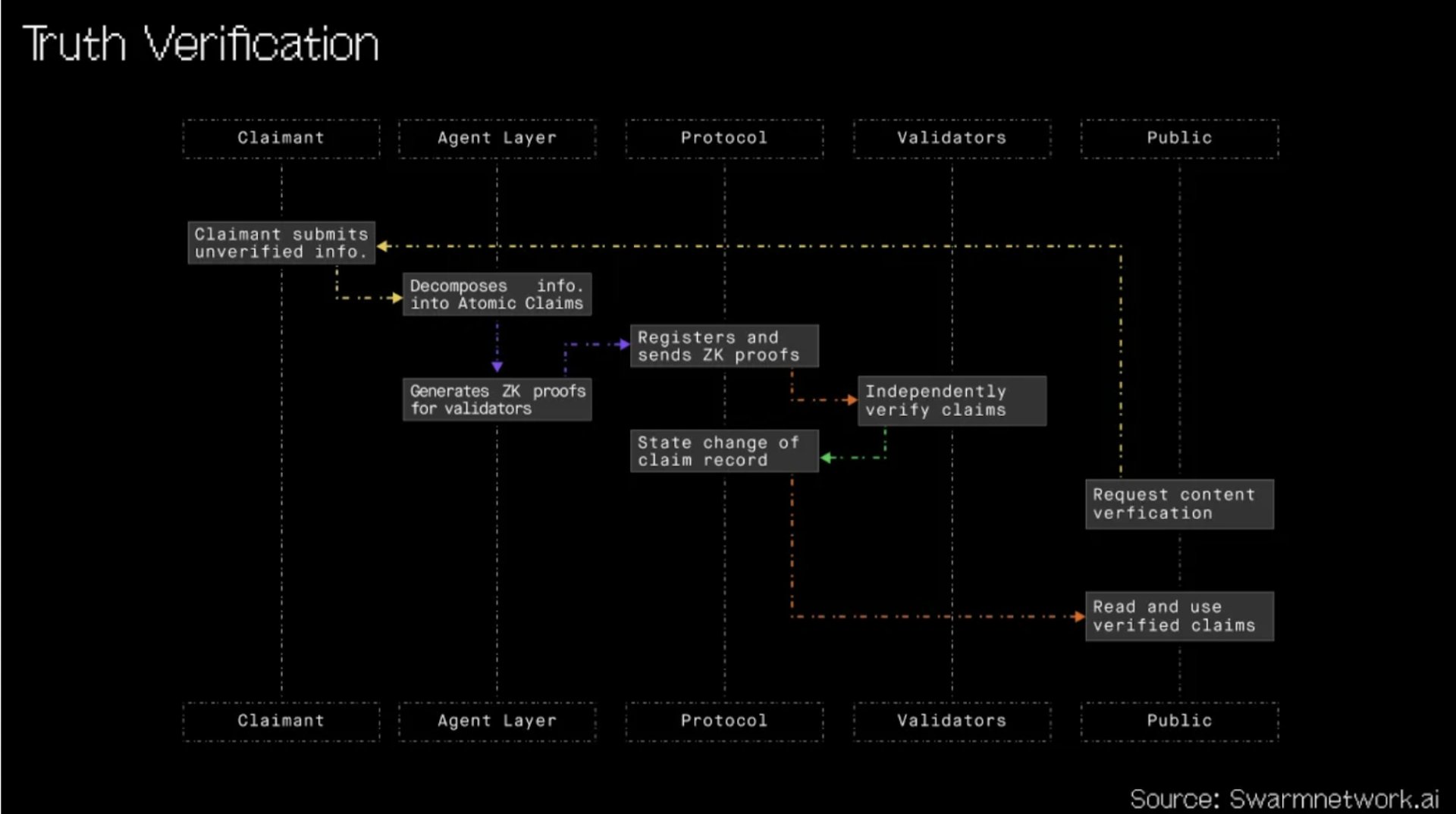
Fortytwo Protocol: Introduces swarm intelligence with peer-ranked consensus, enhancing AI inference resilience against adversarial inputs. arXiv
-
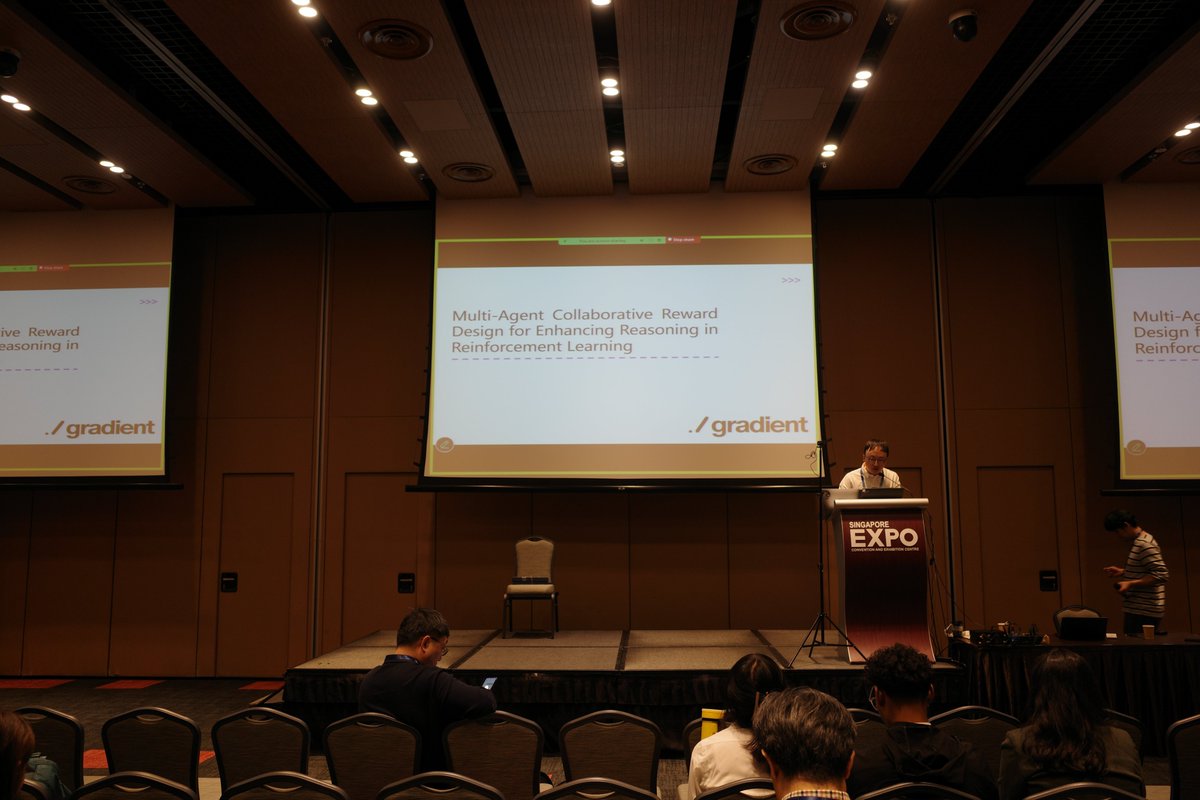
VeriLLM Framework: Provides lightweight, publicly verifiable protocol for decentralized LLM inference with near-negligible verification costs. arXiv
-
Inference Labs ZK-VIN: Zero-Knowledge Verified Inference Network revolutionizing AI verification; recent Cysic partnership for scalable zkML infrastructure.
-
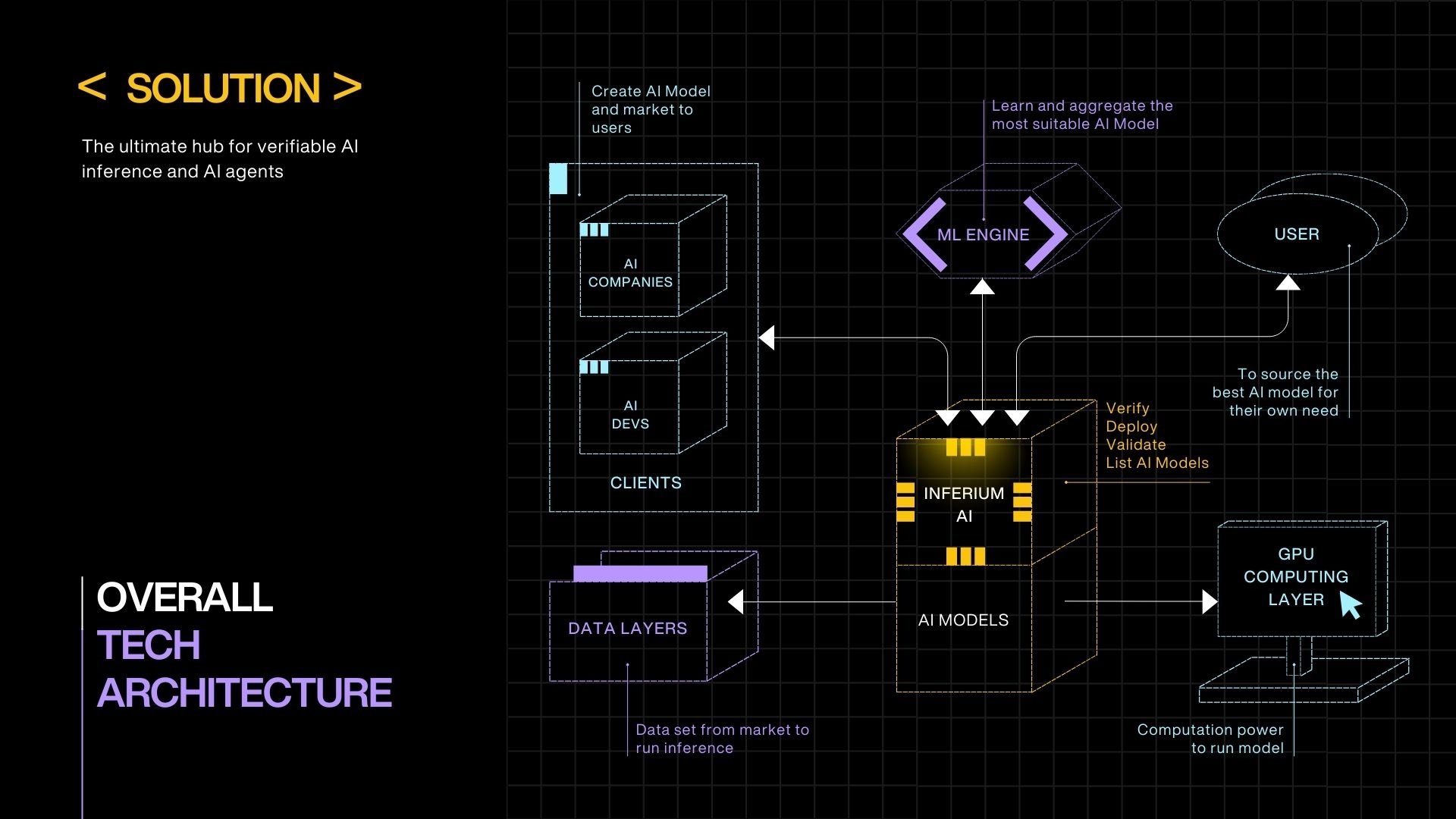
Proofs of Inference: Decentralized marketplace for zkML proofs, enabling request, verification, and payment for auditable AI inference. ETHGlobal
Yet, I remain measured in my enthusiasm. While Fortytwo’s innovation shines, scalability remains a watchpoint. Tokenomics must reward honest provers without inflating supply, a balance few whitepapers nail. Investors should scrutinize slashing mechanisms and proof aggregation to gauge long-term viability.
Inference Labs Partnership Signals Scalable Momentum
Inference Labs exemplifies practical momentum, fresh off a $6.3 million raise to expand proof of inference across zkML and decentralized compute. Their Omron subnet demo clocked 76% faster zkML proof generation than benchmarks, underscoring real-world edge. Teaming with Cysic for ASIC-powered verifiable infrastructure tackles zkML’s Achilles heel: compute intensity. This duo promises inference that’s not just verifiable but economically viable, blending blockchain with specialized hardware.
Their ZK-VIN network pushes boundaries, enabling zero-knowledge verified inferences at scale. Proofs of Inference, another ETHGlobal standout, builds a marketplace for zkML proofs, letting users request and audit private computations seamlessly. These developments coalesce into a maturing ecosystem, where decentralized AI inference isn’t a buzzword but a tokenized reality.
Looking deeper, projects like DGrid. AI layer trustless on-chain verification atop LLM inference, while frameworks from arXiv advocate responsible democratization. Each iteration refines the balance between privacy, speed, and cost, inching us toward networks where AI compute flows as freely as crypto trades.
These layered approaches underscore a pivotal evolution in decentralized AI inference. DGrid. AI, for instance, tokenizes compute resources for LLM outputs with built-in Proof of Quality, ensuring traceability without exposing sensitive data. Such innovations draw from broader zkML trends, where verification focuses tightly on inference steps, sidestepping the bloat of full-model proofs.
VeriLLM Framework: Lightweight Verifiability at Scale
The VeriLLM framework stands out for its elegance. Tailored for large language models, it delivers publicly verifiable proofs under a modest one-honest-verifier assumption. Verification costs hover near negligible levels, a boon for resource-strapped decentralized networks. This protocol sidesteps the computational drag that has historically hobbled zkML verification, making it feasible for real-time applications like DeFi risk assessments or oracle feeds. From an investor’s lens, frameworks like this signal protocols ready for tokenization, where provers earn yields on staked compute.
Yet prudence dictates scrutiny. While VeriLLM excels in theory, on-chain deployment will test its mettle against sybil attacks and griefing. Whitepaper tokenomics must prioritize prover incentives over speculative pumps, a pitfall I’ve seen derail lesser projects.
Comparison of Key Proof of Inference Protocols
| Project | Key Feature | Performance Edge | Stage |
|---|---|---|---|
| Fortytwo | Swarm consensus | Resilience to attacks | Research |
| VeriLLM | Lightweight LLM verification | Near-zero verify cost | Framework |
| Inference Labs ZK-VIN | ZKML speed boost | 76% faster proofs | Funded partnership |
| Proofs of Inference | ZKML marketplace | Trustless requests | ETHGlobal showcase |
Proofs of Inference complements this landscape with its marketplace model. Users post jobs for zkML computations, paying only for validated outputs. This on-demand structure mirrors decentralized compute markets, where supply meets demand via blockchain auctions. Early demos from ETHGlobal hint at fluid workflows, blending privacy with auditability.
Challenges Tempering the Promise
No discussion of proof of inference protocols escapes hurdles. Zero-knowledge proofs, while privacy-preserving, impose overheads that can spike latency by orders of magnitude. zkML verification demands optimized circuits, often requiring custom hardware like Cysic’s ASICs. Partnerships such as Inference Labs and Cysic address this head-on, but widespread adoption hinges on interoperability across chains.
Regulatory shadows loom too. As on-chain AI proofs enable traceable outputs, questions around data sovereignty and model IP arise. Conservative investors like myself favor projects with robust governance, where DAOs oversee slashing and upgrades without central vetoes. Swarm intelligence in Fortytwo offers a hedge here, distributing trust across peers rather than gatekeepers.

Moreover, economic viability tests resolve. Provers must outpace centralized clouds on cost, a tall order when proof generation chews GPU cycles. Yet metrics from Omron subnet’s 76% speed gain suggest breakthroughs loom. Maturing tokenomics, rewarding quality over volume, will separate enduring networks from flash-in-the-pan hype.
Faruk Alpay’s guide on zkML infrastructure nails this tension: blockchain consensus must harmonize with federated learning for seamless scaling. Bastian Wetzel echoes that inference proofs suffice over training verifiability, sharpening focus where it counts.
Investment Thesis for Long-Term Holds
As a CFA charterholder dissecting whitepapers, I see decentralized compute markets ripe for conviction plays. Inference Labs, post-funding and partnerships, tops my watchlist for its zkML edge. Stake in their ecosystem via compute contributions or governance tokens, but only after auditing proof finality. Fortytwo’s resilience suits volatile DeFi use cases, while VeriLLM frameworks invite builders to fork and deploy.
Proofs of Inference marketplaces could tokenize proof liquidity, akin to prediction markets but for AI outputs. Pair these with DGrid. AI’s LLM focus for diversified exposure. Avoid FOMO; diligence on slashing efficacy and verifier collusion resistance builds true alpha. In networks where every inference carries a cryptographic receipt, wealth accrues to patient allocators betting on verifiable scarcity.
This convergence of zkML verification and blockchain rails crafts tamper-proof AI at internet scale. Decentralized inference markets, once theoretical, now pulse with funded prototypes and peer-validated swarms. The path ahead favors protocols balancing speed, security, and incentives, rewarding those who stake on integrity over velocity.