Proof of Inference in Inference Labs: Verifying Decentralized AI Compute for Token Markets

In the evolving landscape of decentralized AI inference, trust remains the cornerstone of viable token markets. Inference Labs emerges as a pivotal player with its Proof of Inference protocol, a zero-knowledge mechanism that mathematically verifies AI computations without compromising model privacy. This approach addresses a fundamental challenge: how to ensure that decentralized networks deliver accurate, tamper-proof AI outputs in environments where compute resources are tokenized and traded globally.

At its core, Proof of Inference leverages zero-knowledge machine learning (zkML) to generate cryptographic proofs alongside AI model outputs. Unlike traditional systems reliant on blind trust in centralized providers, this protocol allows any party to independently verify that an inference was executed correctly on specific inputs, all while keeping proprietary models confidential. For investors eyeing decentralized AI inference, this shifts the paradigm from opaque promises to provable integrity.
Understanding zkML: The Cryptographic Backbone
zkML combines zero-knowledge proofs with machine learning algorithms, enabling a prover to demonstrate correct computation without revealing the underlying model or data. Inference Labs has optimized this technology, achieving 76% faster proof generation than industry standards, slashing median proving times from 15 seconds to just 5 seconds. Such efficiency is crucial for verifiable AI compute in high-throughput token markets, where delays could erode competitiveness.
“Every critical AI output is secured with cryptographic proofs – mathematically verified and provable, not based on blind trust. ” – Inference Labs
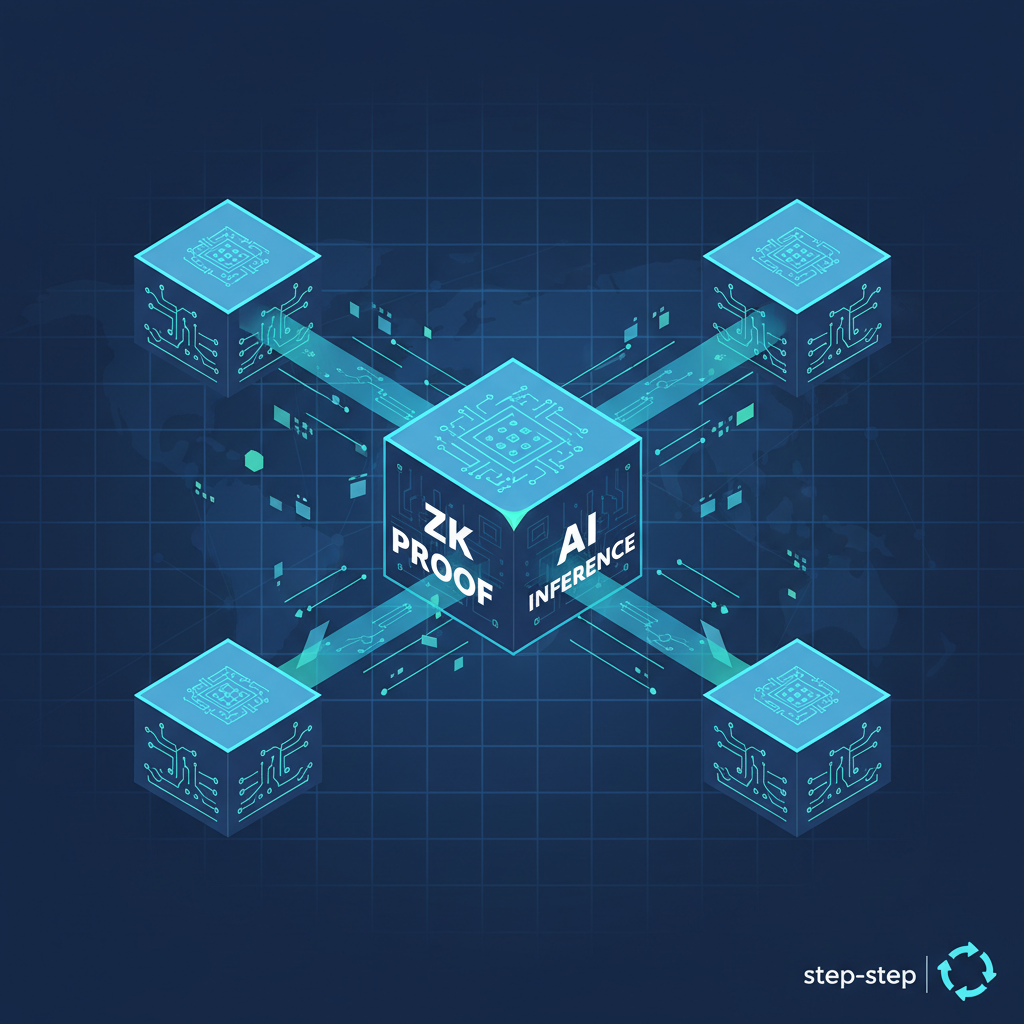
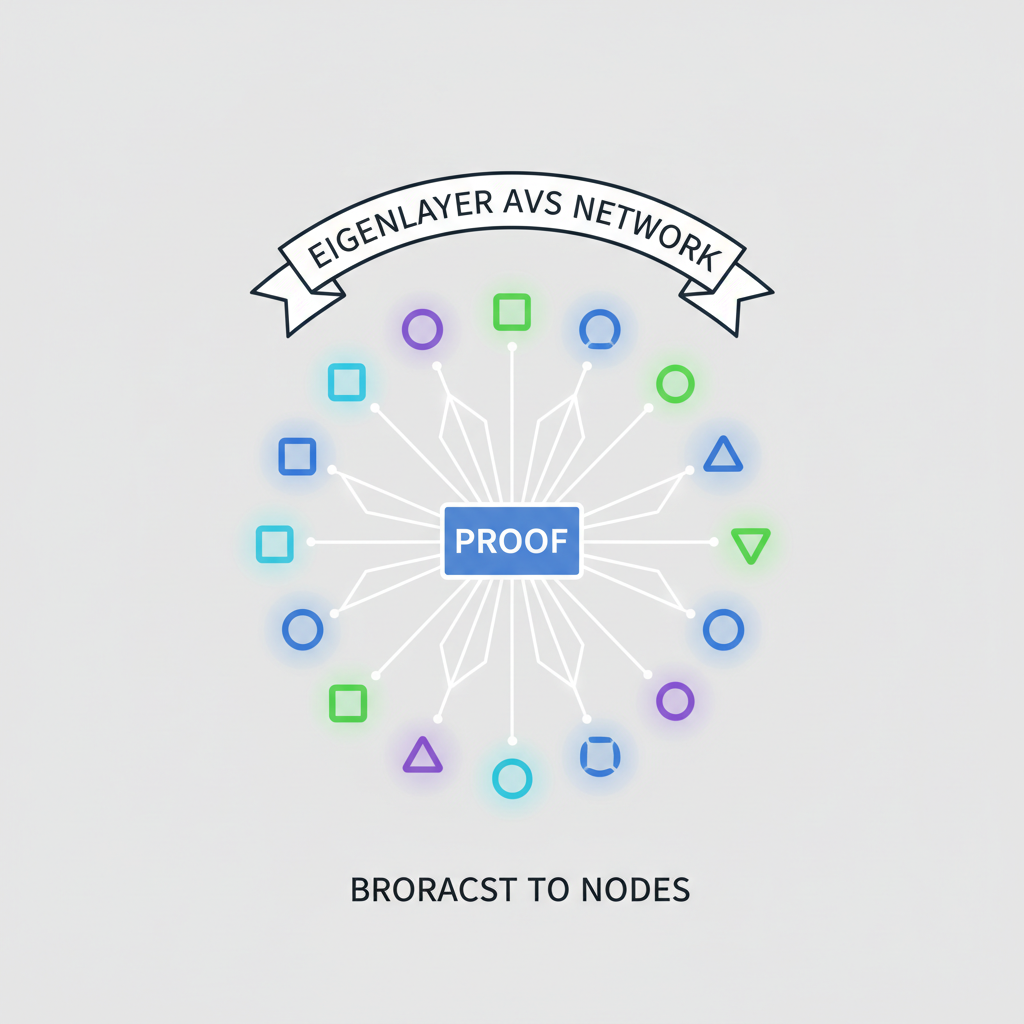
This innovation extends to their Zero-Knowledge Verified Inference Network (ZK-VIN), deployed as Sertn AVS on EigenLayer. It facilitates seamless verification across diverse hardware, making Inference Labs zkML a benchmark for decentralized networks.
Inference Labs’ Ecosystem Integrations and Milestones
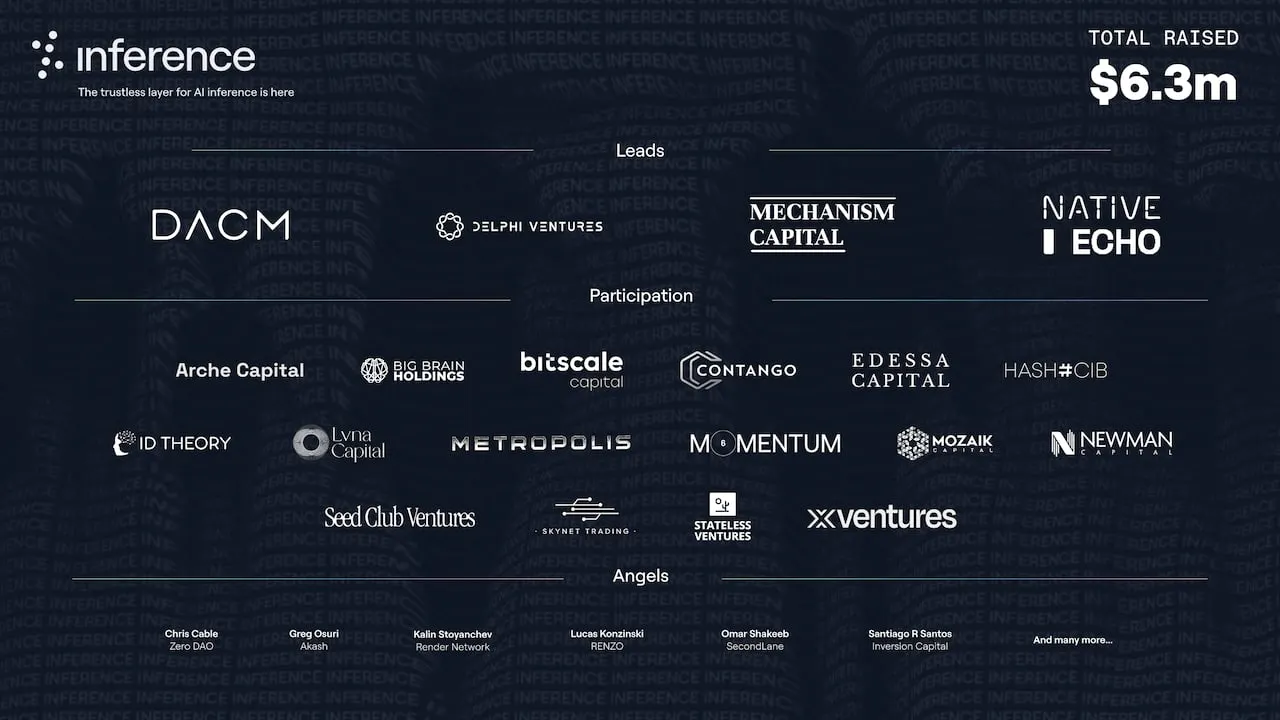
Inference Labs secured $2.3 million in pre-seed funding in April 2024, fueling deployments on Bittensor’s Subnet 2 and testnets on EigenLayer. These integrations enable fast, private off-chain inference with on-chain proofs, ideal for decentralized inference verification. Partnerships amplify this impact: with Cysic, their verifiable AI software runs on a ZK-proving decentralized compute network; VXVHub integrates zkML for tamper-proof outputs in prediction markets.
These collaborations underscore a conservative bet on verifiable systems. In tokenized GPU markets, where providers stake resources for inference tasks, Proof of Inference enforces accountability. Miners or node operators must produce valid proofs to claim rewards, deterring malicious behavior and aligning incentives with network health.
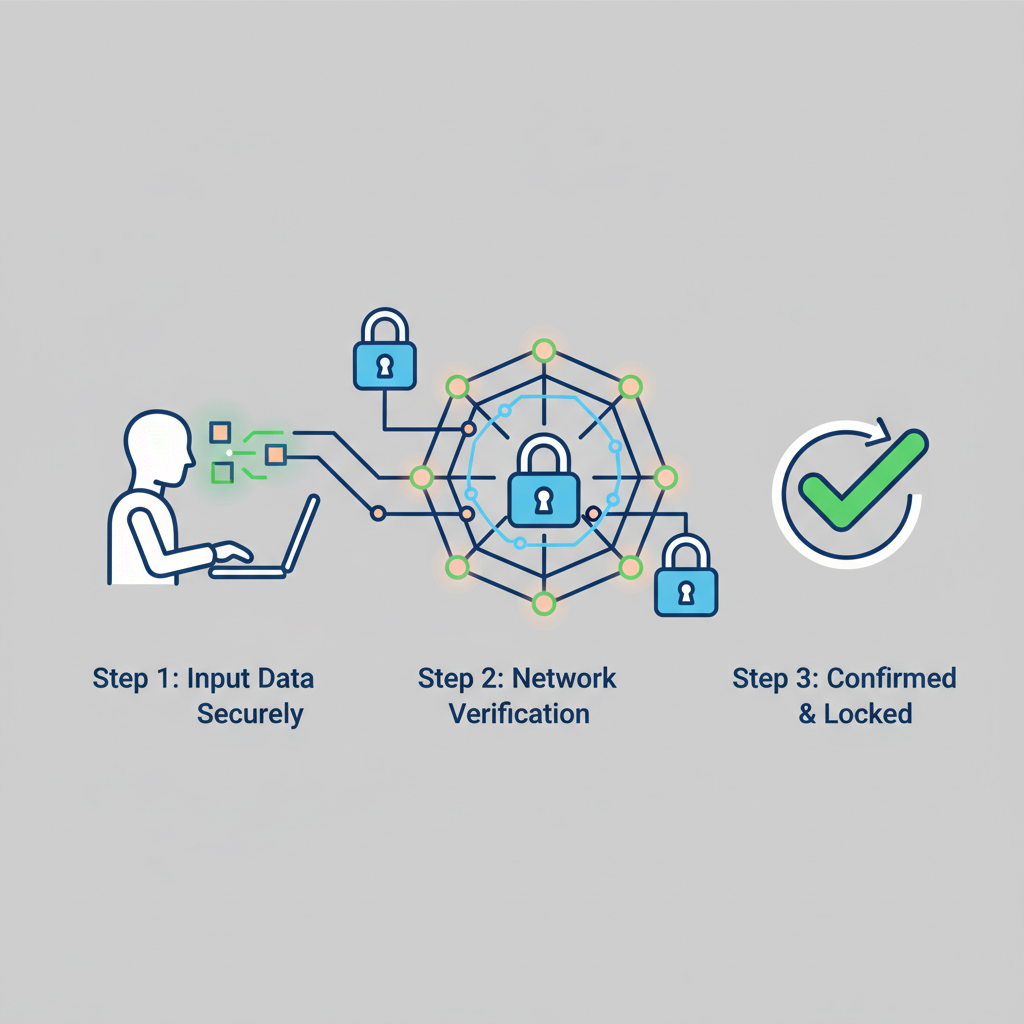
Secure AI Verification: ZK-VIN Proof Generation and Verification Guide

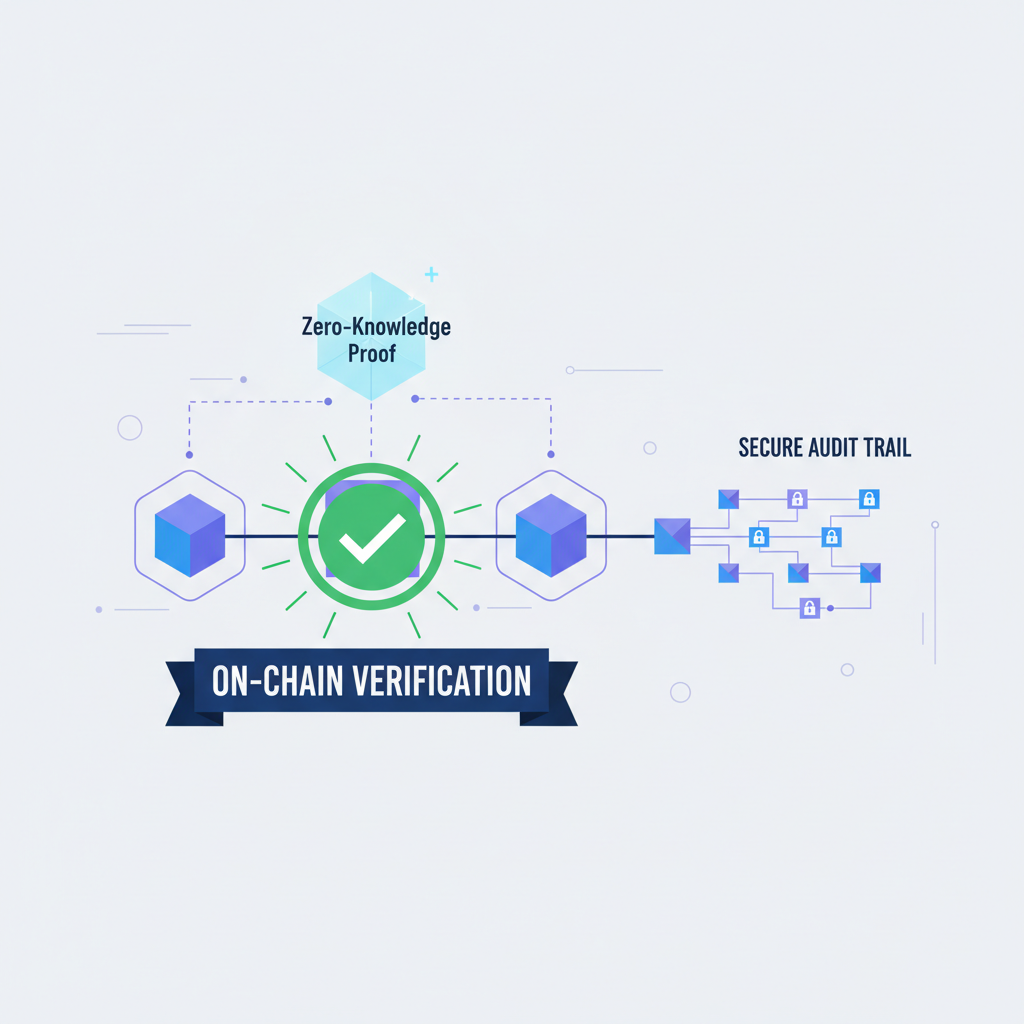

Consider the implications for tokenomics. Tokens representing compute shares gain credibility when backed by cryptographic guarantees, attracting institutional capital wary of unverified AI hype. Inference Labs’ focus on computational integrity positions it as a foundational layer, much like how consensus mechanisms underpin blockchains.
Building Trust in Decentralized AI Token Markets
For long-term holders, the value proposition is clear: verifiable AI compute reduces systemic risks in inference markets. Without proofs, discrepancies between promised and delivered performance could undermine token utility. Inference Labs mitigates this through ZK-VIN, ensuring outputs are not only accurate but also reproducible across global node distributions. This fosters deeper liquidity and stable pricing in tokenized GPU markets, where demand for reliable inference surges.
Investors in decentralized AI inference markets should weigh these dynamics carefully. Proof of Inference not only safeguards against fraud but also enables sophisticated financial primitives, such as collateralized inference bonds or dynamic staking for compute providers. Inference Labs’ protocol lays the groundwork for such instruments by providing the verifiable layer essential for their viability.
Key Milestones: Inference Labs’ Path Forward
These achievements signal measured progress in a nascent field. Deployments on Bittensor and EigenLayer demonstrate interoperability with established decentralized networks, where Proof of Inference consensus mechanisms reward honest computation. On Bittensor’s Subnet 2, for instance, nodes compete to deliver verified inferences, with cryptographic proofs settling disputes on-chain. This setup mirrors conservative investment principles: align incentives through transparency, minimize downside risks.
Partnerships further solidify this foundation. Cysic’s decentralized compute network now hosts Inference Labs’ zkML software, leveraging hardware-optimized ZK-proving for scalable throughput. Meanwhile, VXVHub’s integration brings tamper-proof AI to prediction markets, where verifiable outputs prevent manipulation and enhance oracle reliability. Such synergies position Inference Labs at the intersection of AI and Web3, where decentralized inference verification becomes table stakes for credible token ecosystems.
Inference Labs leads in AI verification through ZK-VIN and Sertn AVS on EigenLayer, enabling verifiable, decentralized AI.
From a tokenomics perspective, this verifiability unlocks premium pricing for compute tokens. Providers can command higher fees for proven integrity, while consumers gain confidence in output quality. In tokenized GPU markets, this creates a virtuous cycle: superior verification attracts more capital, funding hardware expansions and protocol refinements. Yet, success hinges on execution. zkML’s computational overhead remains a hurdle, though Inference Labs’ optimizations – 76% faster proofs, 5-second medians – mitigate this effectively.
Challenges persist, demanding a conservative lens. Broader adoption requires standardization across AI models, from LLMs to vision transformers, and cross-chain composability. EigenLayer’s AVS framework helps here, but network congestion or proof aggregation bottlenecks could test resilience. Still, Inference Labs’ focus on privacy-preserving verification addresses core Web3 tenets, differentiating it from hype-driven alternatives.
For those building conviction-based portfolios, verifiable inference represents a structural shift. It transforms decentralized AI from speculative compute rental into a trust-minimized marketplace, akin to how audited financials underpin bonds. Inference Labs, with its pre-seed backing and ecosystem traction, embodies this evolution. Early integrations signal product-market fit, yet the real alpha lies in patient accumulation before mass awareness.
Looking ahead, expect deeper ties with inference marketplaces and DeFi protocols. As AI models proliferate, demand for Inference Labs zkML will intensify, rewarding protocols that prioritize provability over speed alone. In token markets, this translates to sustained value accrual for stakeholders committed to the long haul. Verification is not a feature; it is the moat defining enduring decentralized AI networks.