DSperse zkML Proving in Decentralized Inference Markets: Inference Labs Distributed Network Explained

In the evolving landscape of decentralized inference markets, where AI compute meets blockchain scalability, Inference Labs emerges as a pivotal force with its DSperse framework. This innovation tackles the core challenge of verifying AI outputs without trusting centralized providers, enabling distributed proving zkML at unprecedented scales. By slicing complex models into verifiable fragments, DSperse unlocks parallel processing across global networks, slashing costs and latency while maintaining cryptographic rigor. As adoption metrics climb, it redefines how developers integrate verifiable AI into blockchain ecosystems.

DSperse Framework: Targeted Verification for Scalable zkML
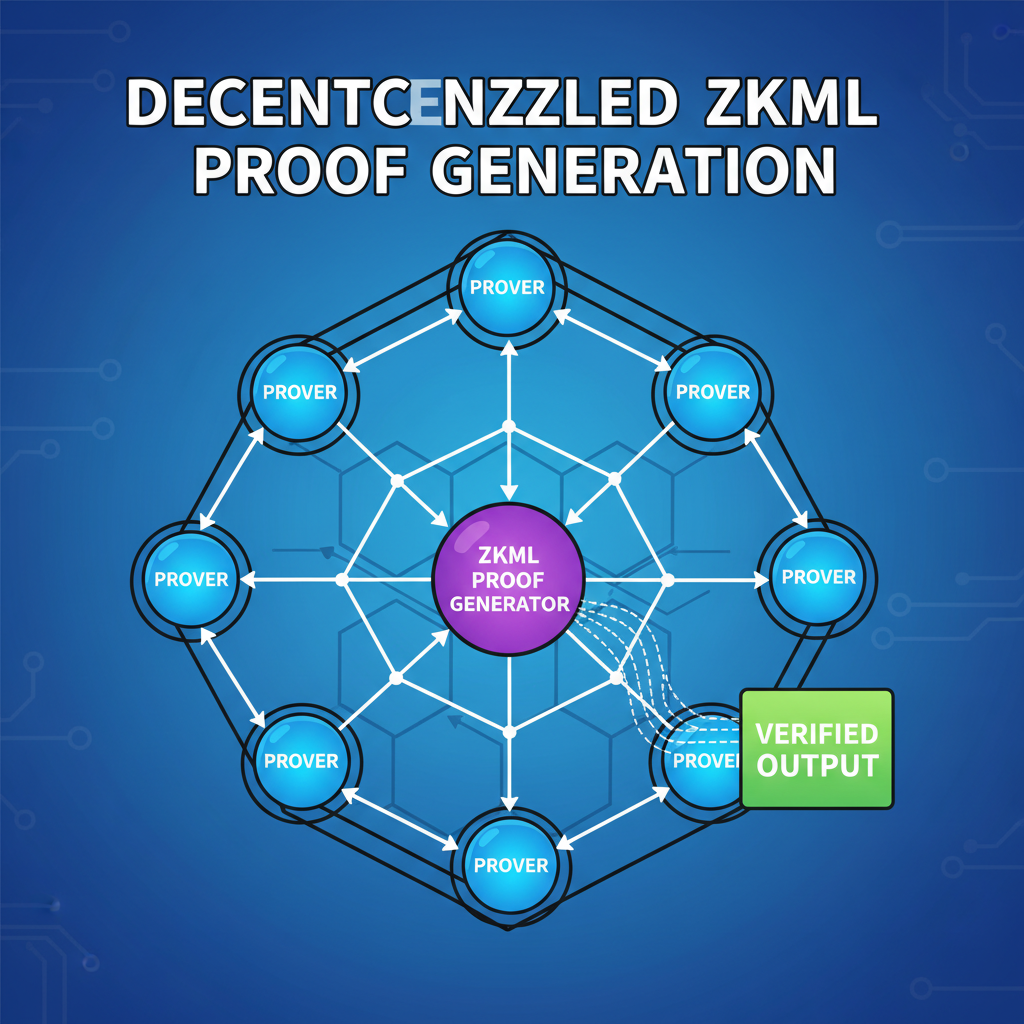
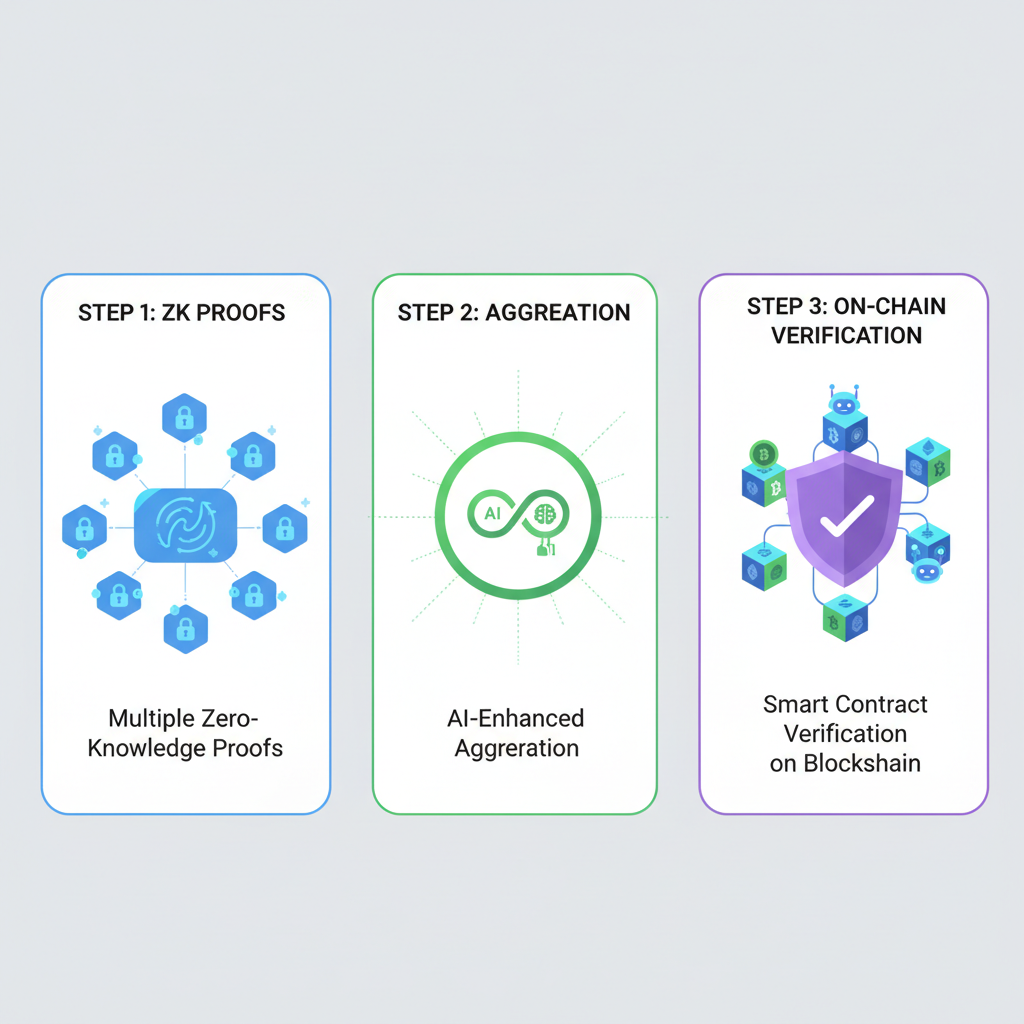
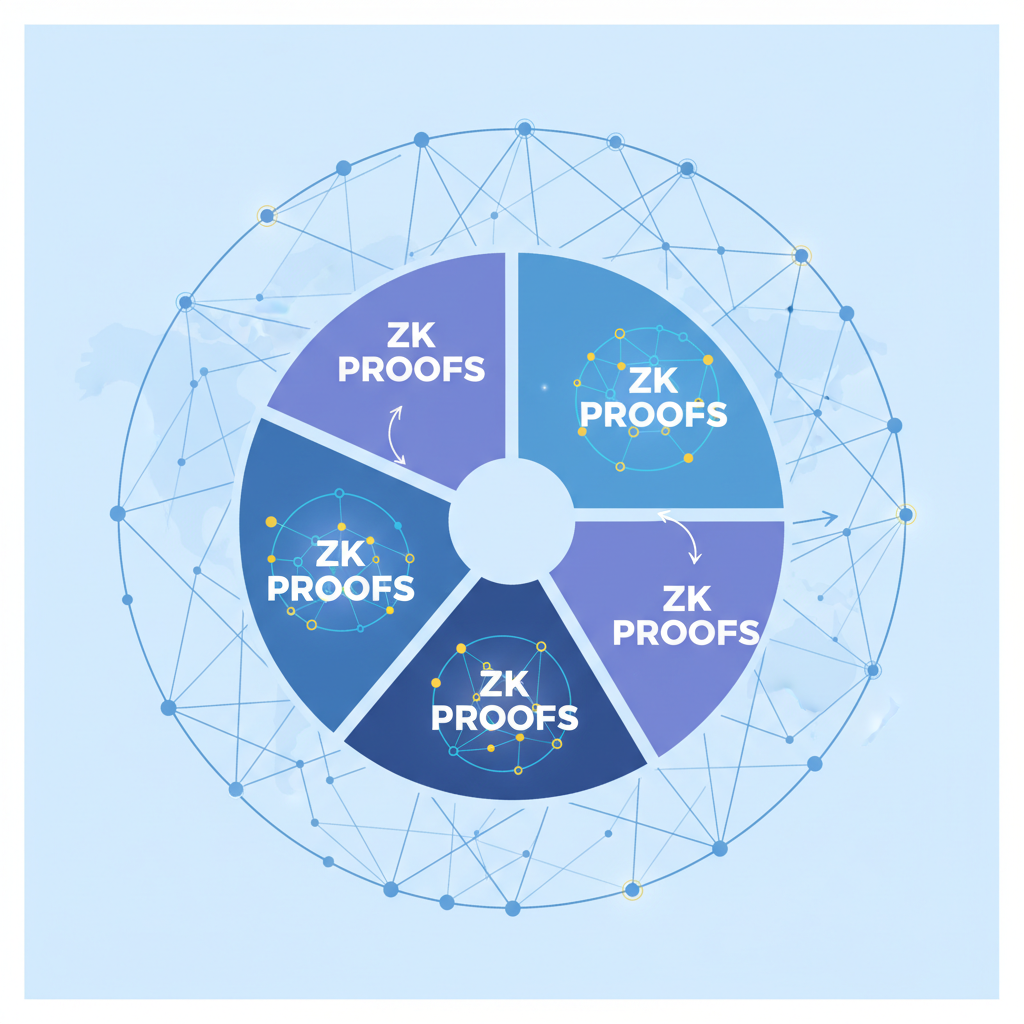
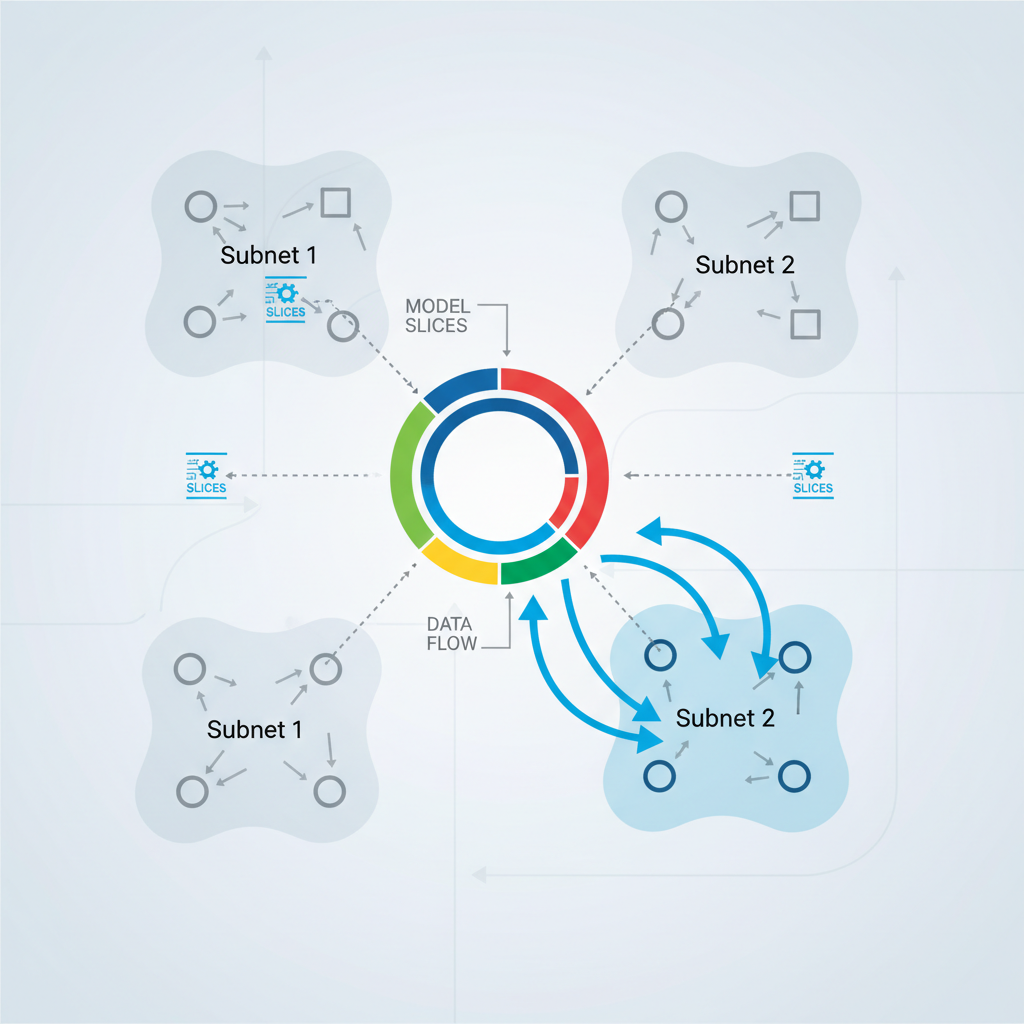
At its heart, DSperse represents a pragmatic shift from brute-force full-model zero-knowledge proofs to a slice-based methodology. Traditional zkML demands proving entire neural networks, often exceeding gigabytes in proof size and hours in generation time. DSperse, however, dissects models into smaller, independent slices ripe for parallel computation. Each slice generates a compact proof, aggregated on-chain for holistic verification.
This approach yields tangible gains: proof sizes shrink by roughly 100 times, costs drop 10-100 times, and latencies improve similarly. Fundamentals matter here; in hype-driven cycles, such efficiency metrics signal real utility over vaporware. Inference Labs’ arXiv paper outlines DSperse as ideal for decentralized environments, where provers compete on open networks like Subnet 2.
How ZK-VIN Enables Verifiable AI Inference on EigenLayer with DSperse
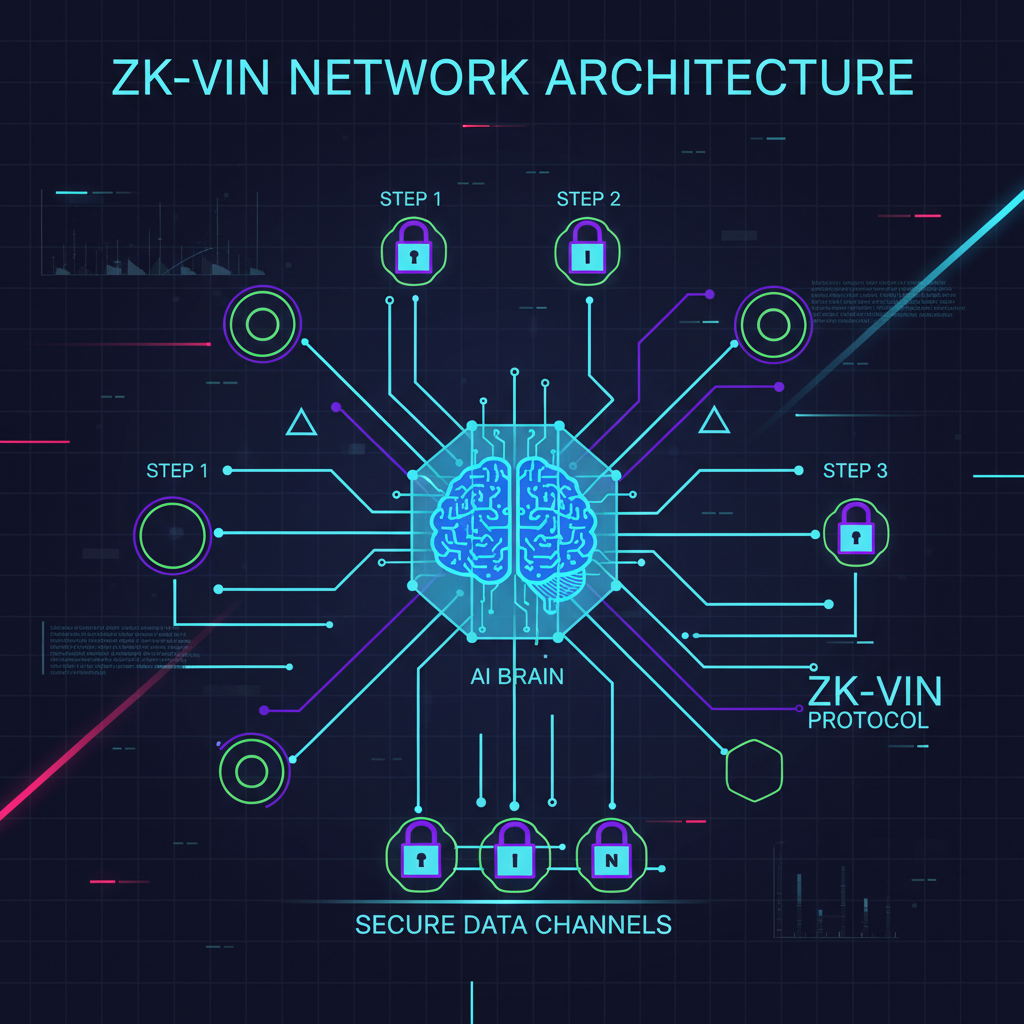
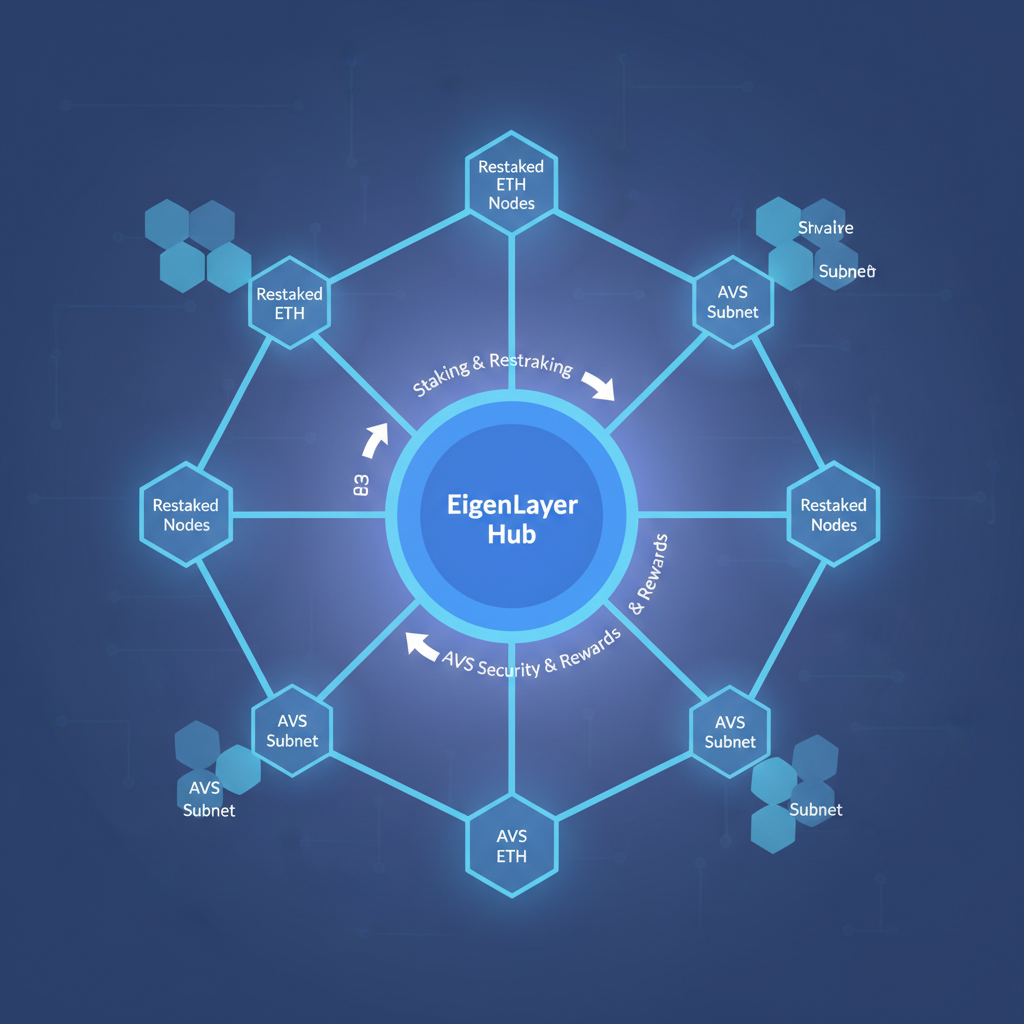
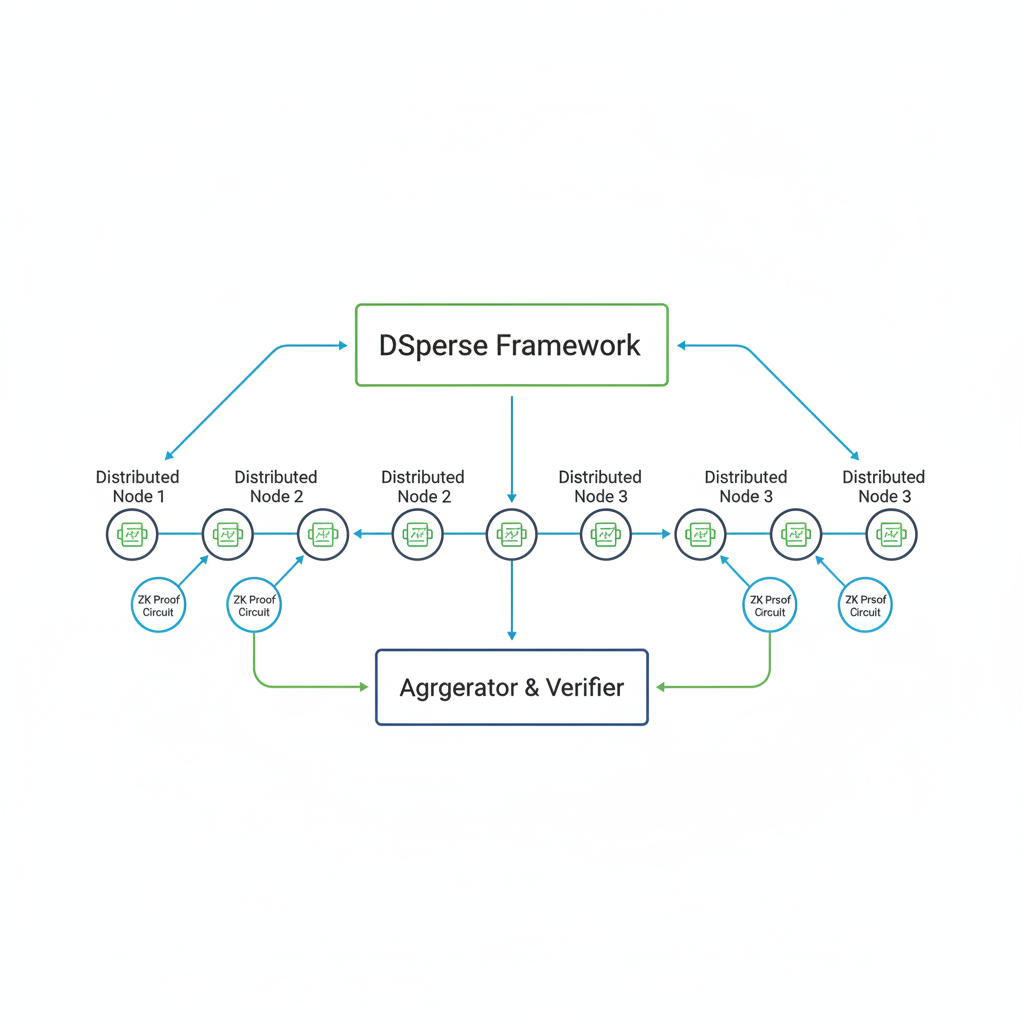
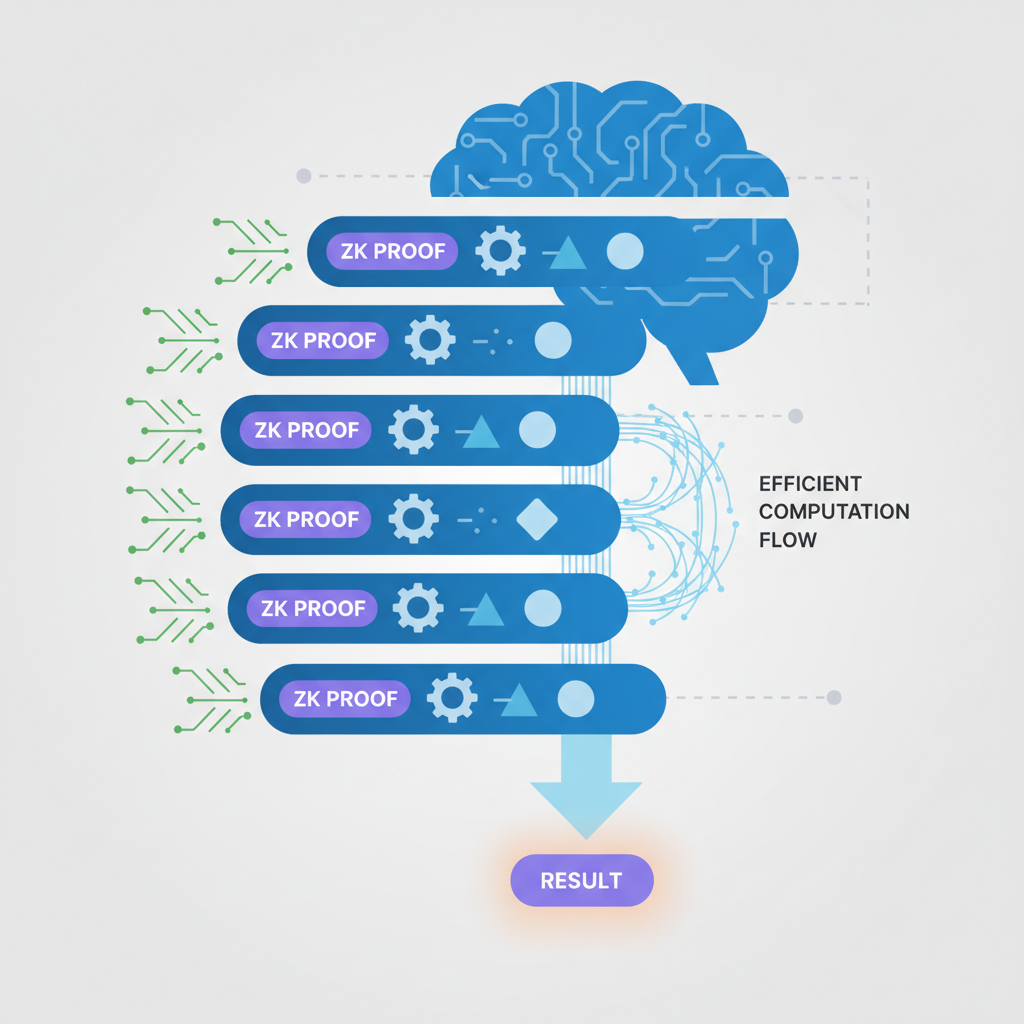
The framework’s open-source merge marks a milestone, inviting builders to deploy verifiable oracles for vision tasks and beyond. Opinionated take: while competitors chase monolithic proofs, DSperse’s modularity future-proofs against escalating model sizes, positioning Inference Labs in decentralized AI inference networks.
Inference Labs’ Subnet 2: The Backbone of Distributed zkML Proving
Inference Labs anchors its vision on Subnet 2, a specialized layer within EigenLayer’s Actively Validated Services (AVS). Dubbed the world’s fastest zkML proving cluster, it harnesses distributed nodes for massively parallel execution. DSperse empowers this subnet to unify compute, delivering verifiable zkML proofs on blockchain without single points of failure.
ZK-VIN, the Zero-Knowledge Verified Inference Network, leverages EigenLayer’s restaked security to economically secure provers. Nodes stake to participate, slashing faulty proofs and ensuring liveness. This setup transforms AI inference from opaque black boxes into auditable autonomy, critical for DeFi oracles and autonomous agents.
Media updates underscore focus: scaling proof volumes, refining infrastructure. As of late 2025, Subnet 2 processed over 300 million zk proofs, a testament to robustness. Creatively, envision provable vision models powering decentralized surveillance or medical diagnostics, all settled on-chain.
Performance Benchmarks: Quantifying DSperse’s Edge in Decentralized Inference
To ground the discussion, consider empirical data. Inference Labs reports a 65% proof speed boost with under 1GB memory footprint, processing 281 million-plus proofs in tests. Updated figures hit 300 million by November 2025, reflecting production-scale deployment.
DSperse vs Full zkML Proofs: Metrics Comparison
| Metric | DSperse | Full zkML Proofs | DSperse Advantage |
|---|---|---|---|
| Cost | Low | High | 10-100x savings 💰 |
| Proof Size | Small | Large | ~100x reduction 📉 |
| Latency | Fast | Slow | 10-100x improvement ⚡ |
| Proofs Generated | 300M+ | Limited | Massive scalability 📈 |
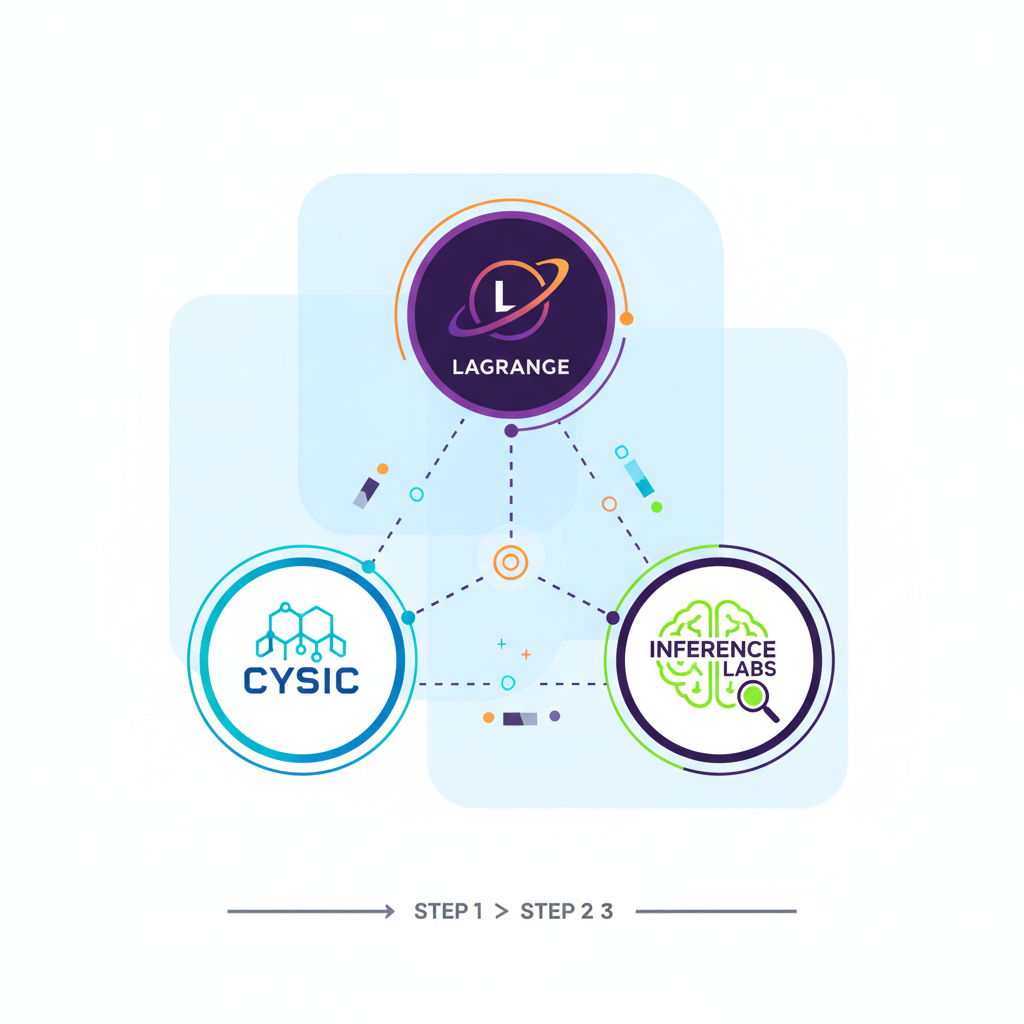
These aren’t lab curiosities; partnerships with Cysic and Lagrange amplify reach, integrating hardware acceleration and recursive proofs. In my view, such alliances validate fundamentals: DSperse isn’t isolated tech but a composable layer for broader verifiable compute markets. Builders gain practical tools, from Inference Labs DSperse tutorial explorations to live deployments, fostering ecosystem liquidity in tokenized inference.
Strategic moves like these underscore Inference Labs’ commitment to composability in decentralized inference markets. Cysic brings hardware-optimized proving, while Lagrange’s recursive zk tech stacks neatly atop DSperse slices, enabling verification of ever-larger models without proportional compute spikes. From a fundamental research lens, these aren’t mere announcements; they correlate with on-chain activity, where proof volumes signal genuine demand from builders eyeing tokenized compute trades.
Ecosystem Impact: From Verifiable Oracles to Tokenized Inference Economies
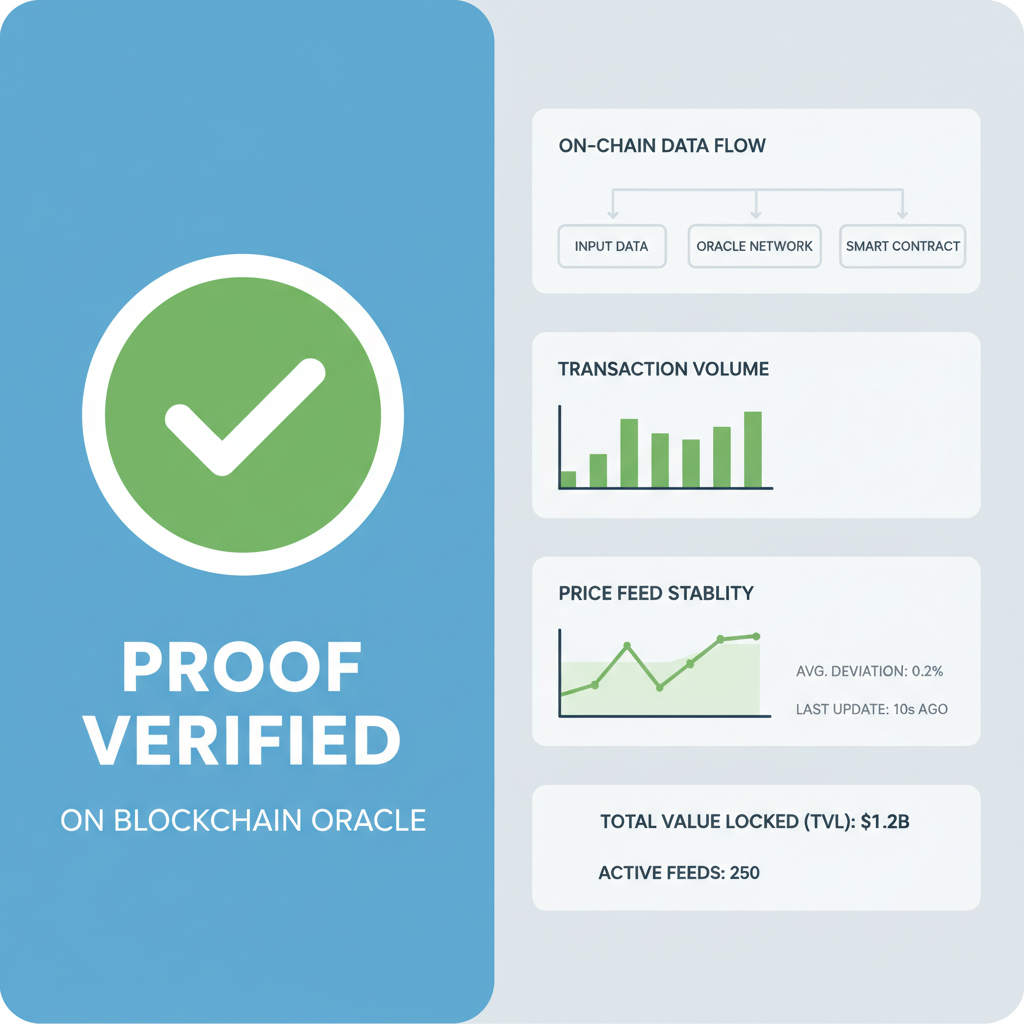
DSperse’s slice-based proving ripples outward, crafting verifiable oracles for DeFi, gaming, and beyond. Imagine on-chain vision models attesting to real-world events, or autonomous agents executing trades backed by zkML certainty. Subnet 2’s 300 million proofs milestone, hit November 13,2025, isn’t hype; it’s a throughput benchmark rivaling centralized clouds, yet fully decentralized. Provers earn via tokenized incentives, drawing liquidity to inference markets where compute becomes a tradable asset class.
Inference Labs positions ZK-VIN as the security glue, tapping EigenLayer’s restaked ETH for economic finality. Faulty proofs trigger slashing, aligning incentives sharper than any API SLA. Creatively, this births hybrid apps: a decentralized exchange verifying order books with zkML, or prediction markets settling on provable simulations. My take, honed over 11 years dissecting commodities-linked cryptos? DSperse filters noise from the AI-blockchain frenzy, rewarding projects with measurable adoption over slick demos.
August media rooms reiterated the playbook: ramp proof scales, harden infrastructure. This methodical grind pays dividends, as builders flock to open-source repos for Inference Labs DSperse tutorial implementations. Global provers join Subnet 2, tokenizing spare GPUs into yield-bearing nodes, democratizing access to high-end zkML.
Builder Tools: Practical Deployment in Distributed zkML Networks
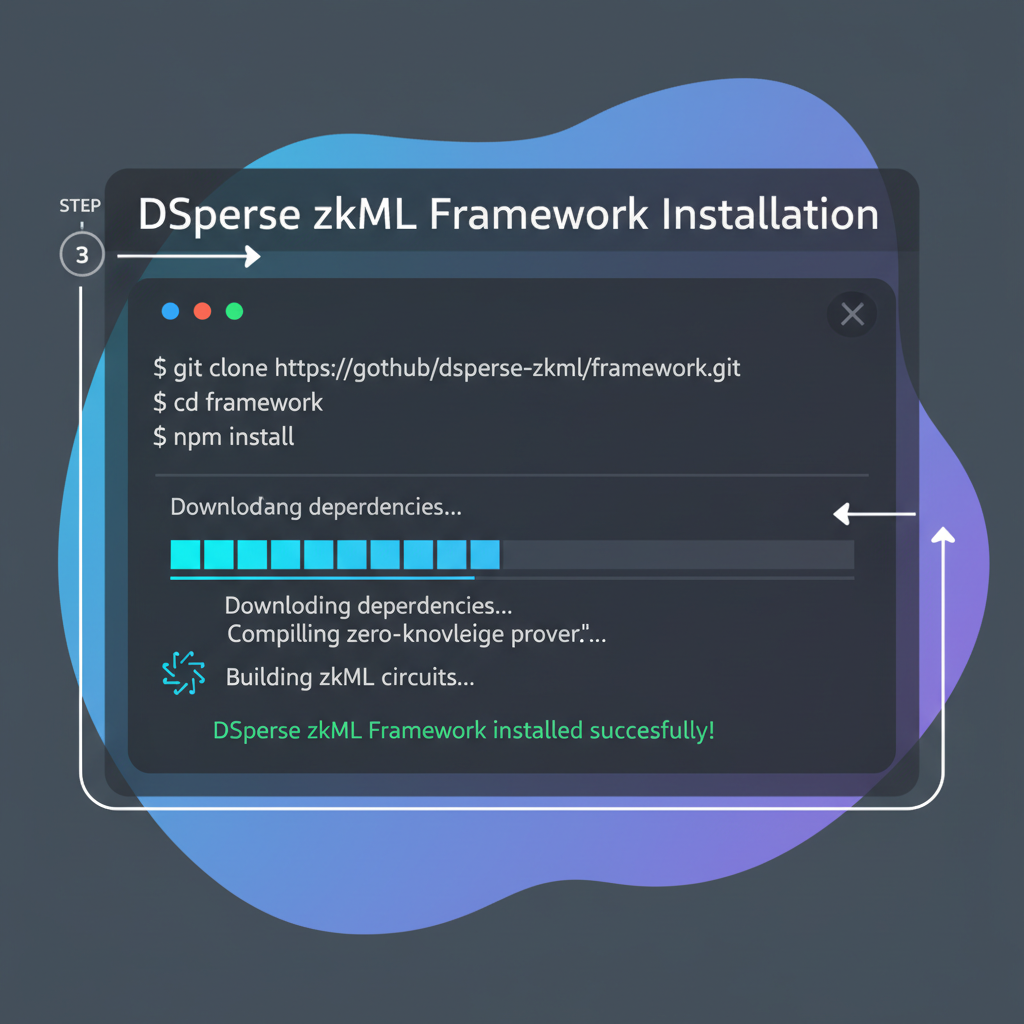
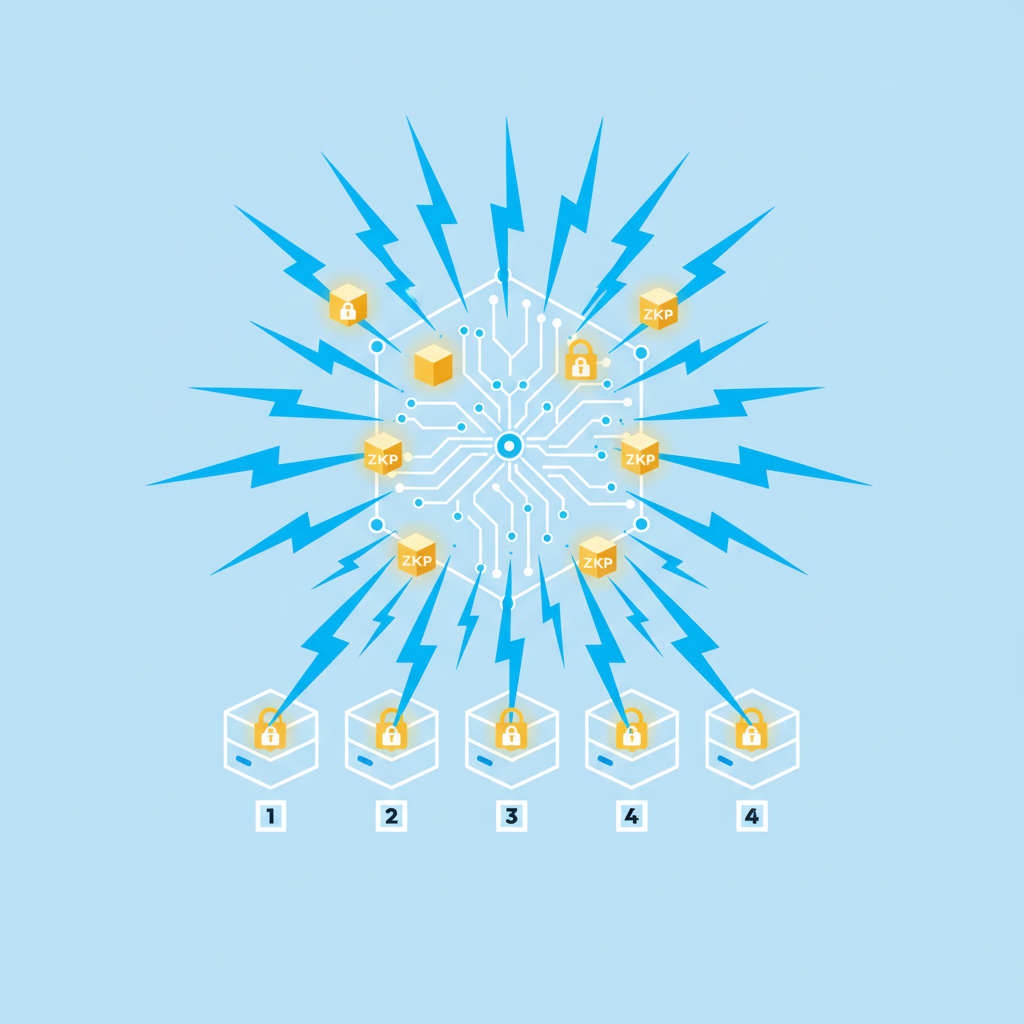
For developers, DSperse lowers barriers dramatically. Slice a vision model, distribute proofs across nodes, aggregate via recursion, and post to chain, all under 1GB memory. No PhD in cryptography required; the framework abstracts complexities, outputting compact proofs for on-chain settlement. Partnerships extend this: Cysic accelerates slice proving on custom ASICs, Lagrange composes proofs hierarchically for trillion-parameter behemoths.
Deploy DSperse zkML: Slice, Distribute, Prove & Verify

Real-world utility shines in pilots: provable medical imaging oracles, decentralized fraud detection. Metrics bear it out, 10-100x efficiencies translate to sub-second latencies, viable for real-time apps. Opinionated aside: in saturated inference spaces, DSperse’s targeted approach outmaneuvers full-proof rivals, much like spot commodities eclipse futures in volatile cycles.
Challenges and Road Ahead: Scaling Verifiable AI Infrastructure
No tech escapes hurdles. Model slicing demands precise partitioning to avoid inter-slice leaks, and aggregator circuits must scale without bloating gas fees. Inference Labs counters with ongoing refinements, like memory optimizations and prover liveness protocols. EigenLayer’s AVS model mitigates collusion risks, but broader adoption hinges on intuitive SDKs and richer tokenomics.
Looking forward, expect DSperse to anchor inference crypto ecosystems, where devs trade verified compute slices as NFTs or via AMMs. With 300 million proofs as baseline, projections point to gigascale volumes by 2026, fueled by AI’s insatiable hunger for trustless verification. Fundamentals dictate: projects blending blockchain security with AI scalability, like Inference Labs, carve enduring moats in decentralized AI inference networks. As markets mature, tokenized proving emerges as the commodity underpinning it all, rewarding patient allocators attuned to utility over narratives.