
Decentralized inference limits to account for
Decentralized inference markets promise lower costs by splitting model weights across a network of nodes, but the tradeoff is often latency and reliability. To pick the right setup, you need to match your application's tolerance for delay against your budget constraints.
Decentralized inference choices that change the plan
The simplest way to use this section is to write down the real constraint first, compare each option against it, and choose the path that still works outside ideal conditions.
| Factor | What to check | Why it matters |
|---|---|---|
| Fit | Match the option to the primary use case. | A good deal still fails if it does not fit the job. |
| Condition | Verify age, wear, and service history. | Hidden condition issues erase upfront savings. |
| Cost | Compare purchase price with likely upkeep. | The cheapest option is not always the lowest-cost option. |
How to choose a decentralized inference path
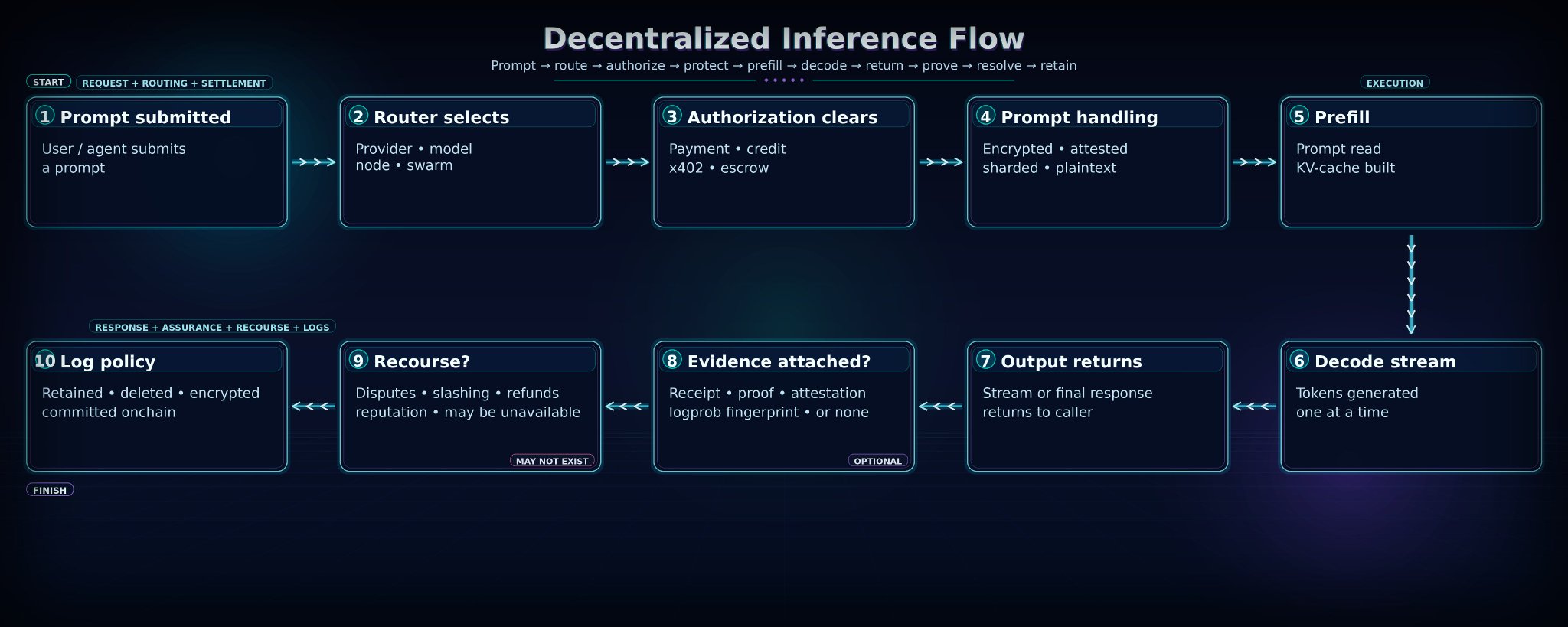
Real-time chatbots fail if inference takes more than a few seconds. For these use cases, centralized clouds remain the only viable option. If your application involves batch processing or background tasks, you have the flexibility to use slower, cheaper decentralized networks.

Most decentralized platforms charge per token or per millisecond. Compare these rates against major cloud providers like AWS or Azure. Look for hidden fees in node selection or priority queuing. The savings only materialize if you avoid premium "fast lane" access.
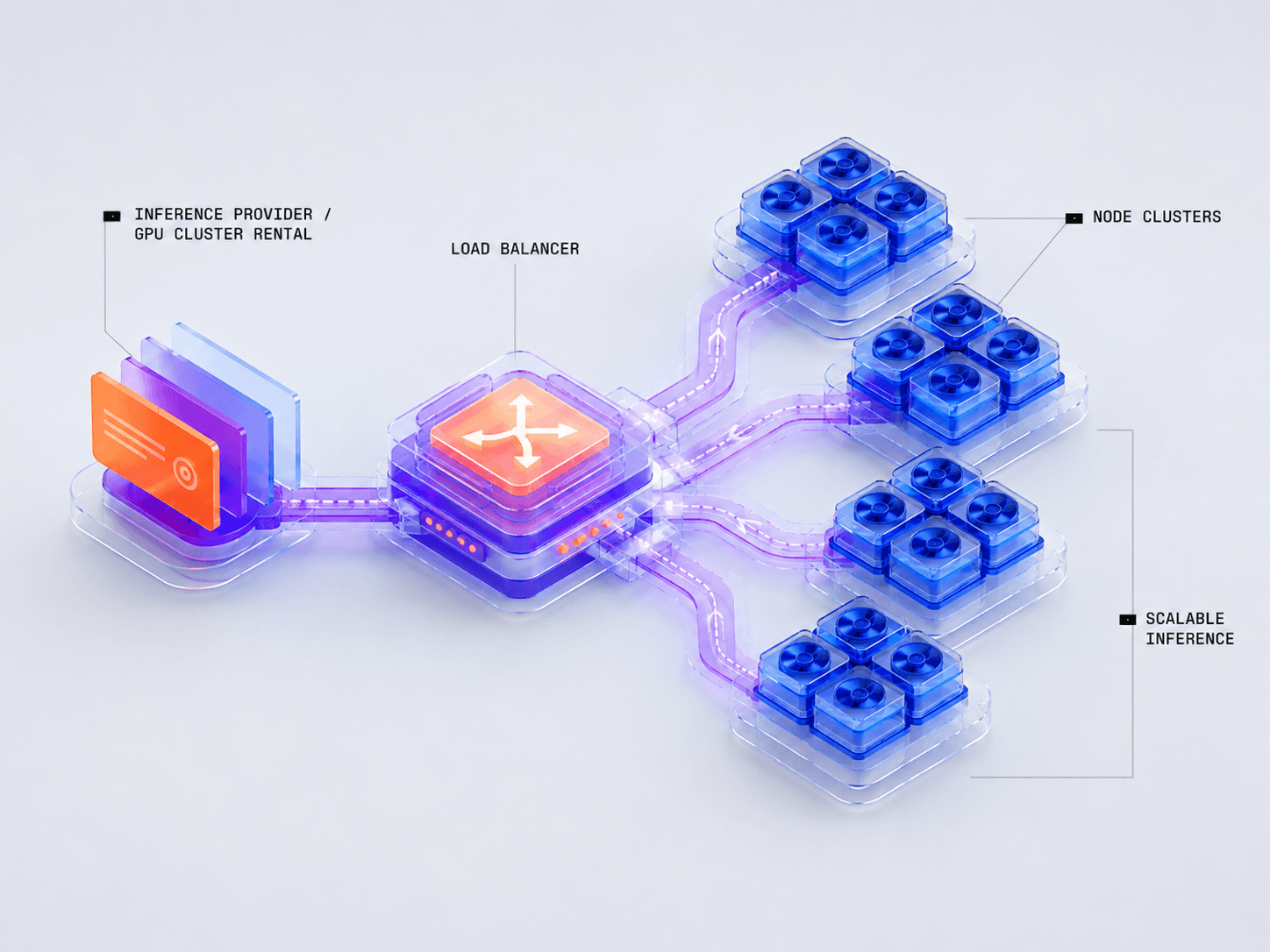
Node availability fluctuates. Run a load test with your specific model weights to see how often nodes drop out. If your model is split, ensure the network can reassemble it quickly. High failure rates will negate any cost benefits from cheaper compute.
Ensure the network doesn't expose your prompt data to other users. Look for platforms that offer zero-knowledge proofs or encrypted execution environments. This is critical for enterprise applications handling sensitive customer information.
By following these steps, you can determine if decentralized inference is a practical solution for your specific AI workload. Start with small batches to validate performance before committing to a full migration.
Spotting Weak Inference Options
Decentralized inference markets promise cheaper compute, but the reality often involves hidden bottlenecks. Before committing resources, you need to separate functional networks from those that merely mimic decentralization. The gap between marketing claims and operational reality is where most projects fail to deliver on cost savings.
The Fragmentation Trap
Splitting large models across nodes, as seen in projects like Wavefy, sounds efficient but introduces significant latency. When a model is fragmented, the time spent coordinating data between nodes often exceeds the inference time itself. This fragmentation trap means your effective throughput drops, negating the cost benefits of using cheaper, distributed hardware.
Verifying True Decentralization
Many platforms claim to be decentralized while relying on a small cluster of verified validators. This centralization risk creates single points of failure and potential censorship. Check the validator distribution and node entry barriers. If only a handful of entities control the majority of the compute power, you are not getting true decentralized inference.
Hidden Latency Costs
Low compute prices often mask high network latency. Inference tasks, especially for real-time applications, require low round-trip times. Decentralized networks struggle with this due to geographical dispersion of nodes. Always benchmark latency, not just price. A slightly more expensive centralized option may offer superior performance for latency-sensitive workloads.
Decentralized inference: what to check next
Before committing to a decentralized inference provider, it helps to clarify what the technology actually does and how it differs from traditional cloud AI. The term often causes confusion because it borrows from cryptocurrency, but the mechanics are specific to machine learning workloads.
No comments yet. Be the first to share your thoughts!