

Get decentralized inference right
Before you wire together nodes, you need to understand the physical limits. Decentralized inference splits large language models across smaller devices, but splitting introduces network overhead. You can do decentralized training easily, but for inference, you need low latency. If your nodes aren’t on the same local network, the round-trip time will kill performance. At most, you can do it in a data center where all blades are on the same switch. Outside that environment, you are trading speed for cost savings.
Start by picking a model that actually fits the hardware. Don’t try to run a 70-billion parameter model on consumer GPUs. Sharding works best with smaller, quantized models like Llama-3-8B or Mistral-7B. These fit into the memory of standard consumer cards, leaving room for the KV cache. If you force a larger model, the nodes will spend more time swapping data to disk than generating tokens. Check the VRAM requirements first. If the model doesn’t fit, the shard fails before it starts.
Finally, standardize the communication protocol. Wavefy and similar networks rely on specific RPC calls to pass tensor slices between nodes. If Node A uses a different serialization format than Node B, the inference chain breaks. Lock down the versions of your inference engine and networking library. Consistency is more important than raw power here. A slow, connected network beats a fast, fragmented one every time.
How to run a decentralized inference task
Decentralized inference splits large language model requests across multiple nodes to reduce latency and cost. Unlike training, which can tolerate slow communication, inference requires real-time responses. This guide walks you through setting up a basic decentralized inference workflow using a network like Wavefy, which shards models to fit on consumer-grade hardware.
Choose a model size that fits within the memory constraints of your target node network. Large models like Llama-3-70B require sharding across multiple GPUs. Use tools like Wavefy to split the model weights into smaller chunks. This allows individual nodes to handle a fraction of the computation without needing enterprise-grade hardware.
Establish a low-latency connection between nodes. The network must route requests efficiently to minimize the time data spends traveling between shards. Test your local area network or cloud VPS setup to ensure bandwidth can handle the simultaneous weight transfers. High latency here will bottleneck the entire inference process.
Before processing live traffic, verify that each node holds the correct shard. Run a small test prompt through the network and compare the output against a centralized baseline. Mismatched shards or corrupted weights will lead to hallucinations or failed completions. This step ensures the distributed system is mathematically consistent.
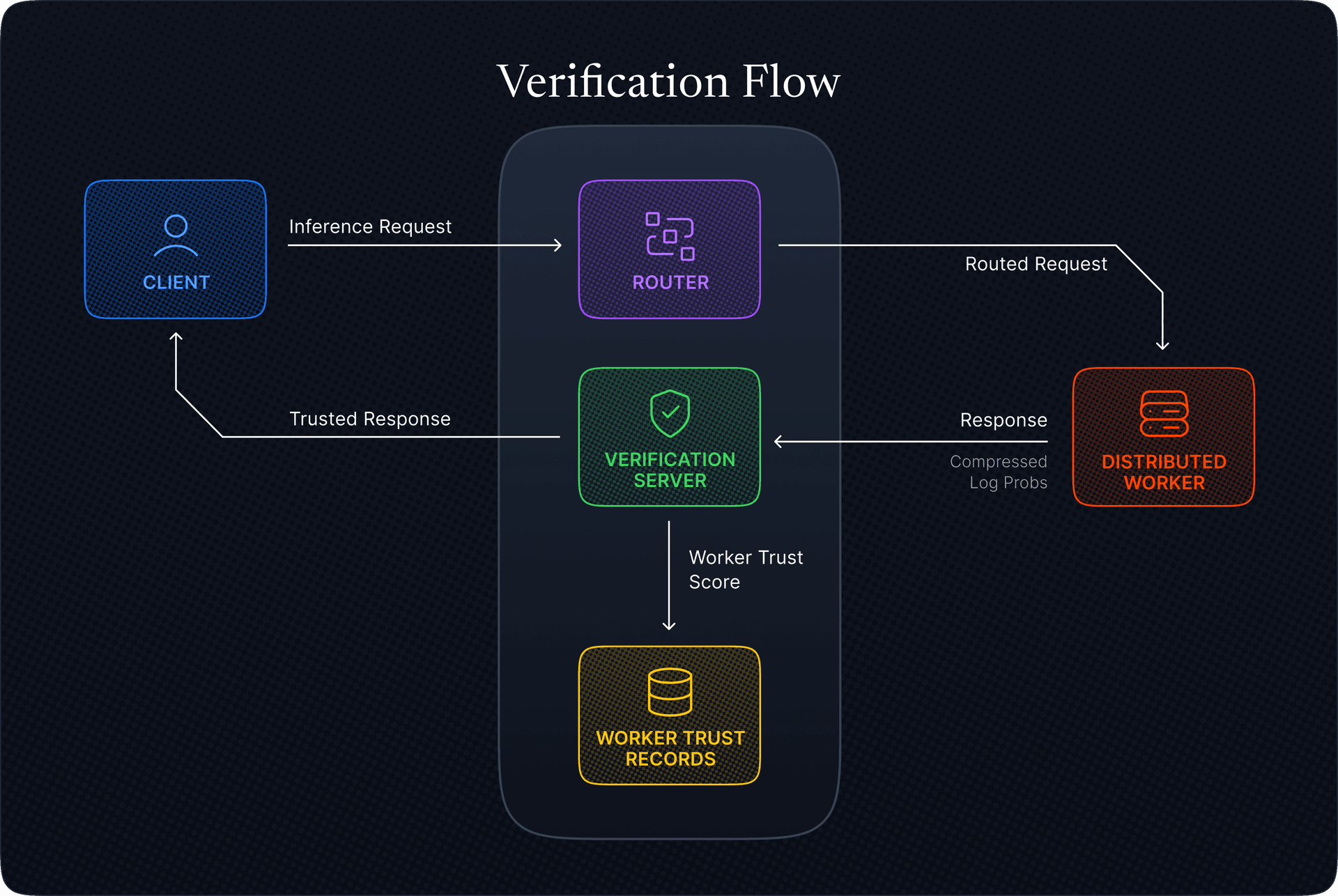
Send your user query to the network coordinator. The coordinator distributes the prompt to the relevant nodes, which process their shards in parallel. The results are then aggregated back into a coherent response. Monitor the round-trip time to ensure it meets your application’s latency requirements.
Keep an eye on node health and load distribution. If one node becomes a bottleneck, the network should automatically rebalance the shards or reroute the request. Use logging tools to track error rates and latency spikes. Regular rebalancing ensures the system remains efficient as node availability changes.
-
Model shards verified for memory fit
-
Node latency under 50ms
-
Test prompt output matches baseline
-
Routing coordinator active
-
Monitoring logs enabled
No comments yet. Be the first to share your thoughts!