
Budget fit for decentralized inference hardware
Running decentralized inference isn’t just about finding the cheapest node; it’s about matching compute to the specific workload of the market you’re targeting. A model that runs smoothly on a high-end GPU might choke on a budget card, while a quantized model on older hardware might offer better yield per dollar spent. The key is understanding the tradeoffs between price, age, and condition.
The GPU market reality
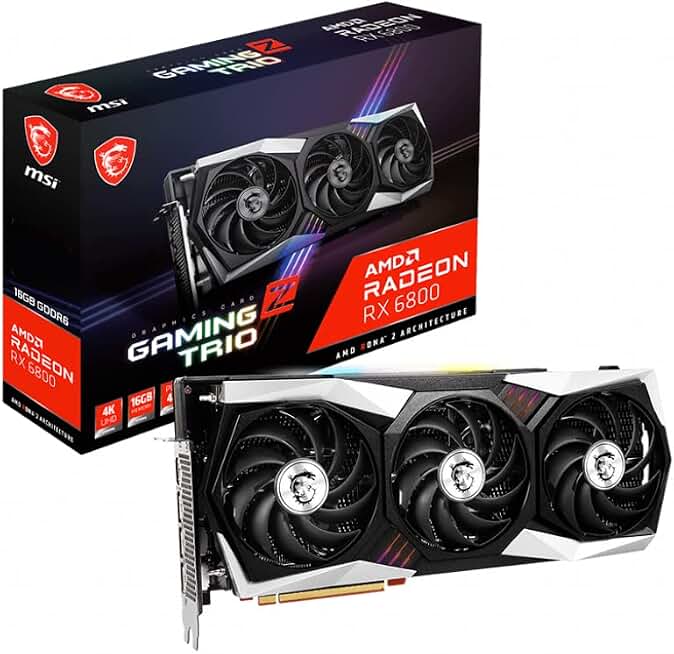
The primary bottleneck for decentralized inference is GPU availability. Unlike centralized cloud providers, you’re often buying from the secondary market. Here are the current benchmarks for budget-fit hardware:


As an Amazon Associate, we may earn from qualifying purchases.
Condition matters more than specs
When buying used GPUs for inference, condition is a silent killer. A card with degraded thermal paste or worn-out fans will throttle performance, reducing your inference throughput and yield. Always prioritize sellers with clear usage history or return policies. For new builds, the RTX 4060 Ti 16GB offers a sweet spot between power efficiency and memory capacity, ideal for running quantized models like Llama-3-8B.
Network fees and hidden costs
Don’t forget the network costs. Some decentralized inference markets charge fees in tokens that fluctuate in value. Factor in the cost of data egress and the potential for network congestion during peak hours. A cheaper GPU might not be cost-effective if the network fees eat up your margins.
Compare Decentralized Inference Networks
Decentralized inference markets are splitting into distinct camps based on how they verify AI outputs. The three main approaches are zero-knowledge (ZK) proofs, optimistic fraud proofs, and pure cryptoeconomics. Each model offers different tradeoffs between speed, cost, and security. Understanding these technical differences is essential before allocating capital or building applications on these networks.
Verification mechanisms and choices that change the plan
Zero-knowledge proofs offer the highest security by mathematically proving inference correctness without revealing the underlying data. This method is computationally expensive and slower, making it suitable for high-stakes financial or legal AI applications. Optimistic fraud proofs assume correctness by default but allow challengers to dispute invalid outputs. This approach is faster and cheaper but requires a challenge period, introducing latency. Pure cryptoeconomic models rely on reputation staking and slashing conditions. These are the fastest and cheapest but carry higher risk if validator collusion occurs.
Market Maturity and Tokenomics
The maturity of these markets varies significantly. Early-stage networks often rely on optimistic models to bootstrap liquidity and developer adoption. As the ecosystem matures, the shift toward ZK proofs indicates a move toward institutional-grade reliability. Tokenomics in these markets are increasingly tied to inference demand rather than speculative trading. Research suggests that token utility is driven by the actual volume of AI requests processed, linking network value directly to enterprise adoption.
Network Selection Criteria
When selecting a decentralized inference network, prioritize the verification method that matches your risk tolerance. High-frequency trading bots may require the speed of cryptoeconomic models, while healthcare AI applications demand the auditability of ZK proofs. Always check the network's current staking requirements and the minimum collateral needed to operate a node. The barrier to entry varies widely, from simple token holding to specialized hardware requirements for ZK accelerators.
| Network Type | Verification Method | Speed | Cost | Security Risk |
|---|---|---|---|---|
| ZK-Based | Zero-Knowledge Proofs | Slow | High | Low |
| Optimistic | Fraud Proofs | Medium | Medium | Medium |
| Cryptoeconomic | Staking & Slashing | Fast | Low | High |
The landscape is evolving rapidly. As hardware accelerates ZK proof generation, the speed gap may narrow, making high-security verification more accessible. Until then, the choice remains a direct tradeoff between operational efficiency and mathematical certainty.
Inspect the expensive parts
Decentralized inference markets promise lower costs than centralized cloud providers, but the architecture introduces new failure modes. If you skip verification, your yield evaporates. The following checklist targets the most expensive points of failure in current networks.

Every inference network relies on a mechanism to prove the AI output is correct. Dragonfly Research identifies three main approaches: zero-knowledge proofs, optimistic fraud proofs, and cryptoeconomics. If a network uses optimistic proofs, you must verify the challenge period is short enough to prevent economic stagnation. Long delays lock up capital and expose you to oracle manipulation.
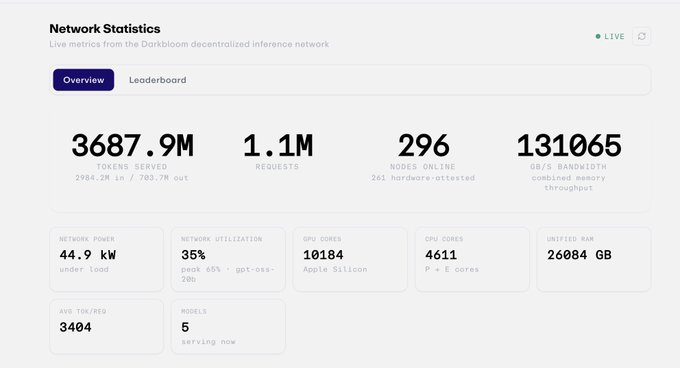
Many projects claim to run on consumer hardware, but production-grade inference often requires specific GPU configurations. Avoid networks that do not publish exact VRAM and compute requirements. If the node software is not containerized or easily deployable, your operational costs will rise due to maintenance overhead.
Yield is only real if the token retains value. Look for networks that burn a portion of inference fees rather than just distributing them as inflationary rewards. High inflation erodes your position regardless of the nominal APY. A sustainable model ties node rewards to actual revenue generation from AI queries.

The inference result must be written to the chain securely. If the network relies on a single centralized oracle to submit results, you are exposed to a single point of failure. Choose networks with decentralized oracle feeds that cross-reference multiple data sources before finalizing the inference outcome.
AmazonProductGrid


Ownership costs: the hidden toll of running inference
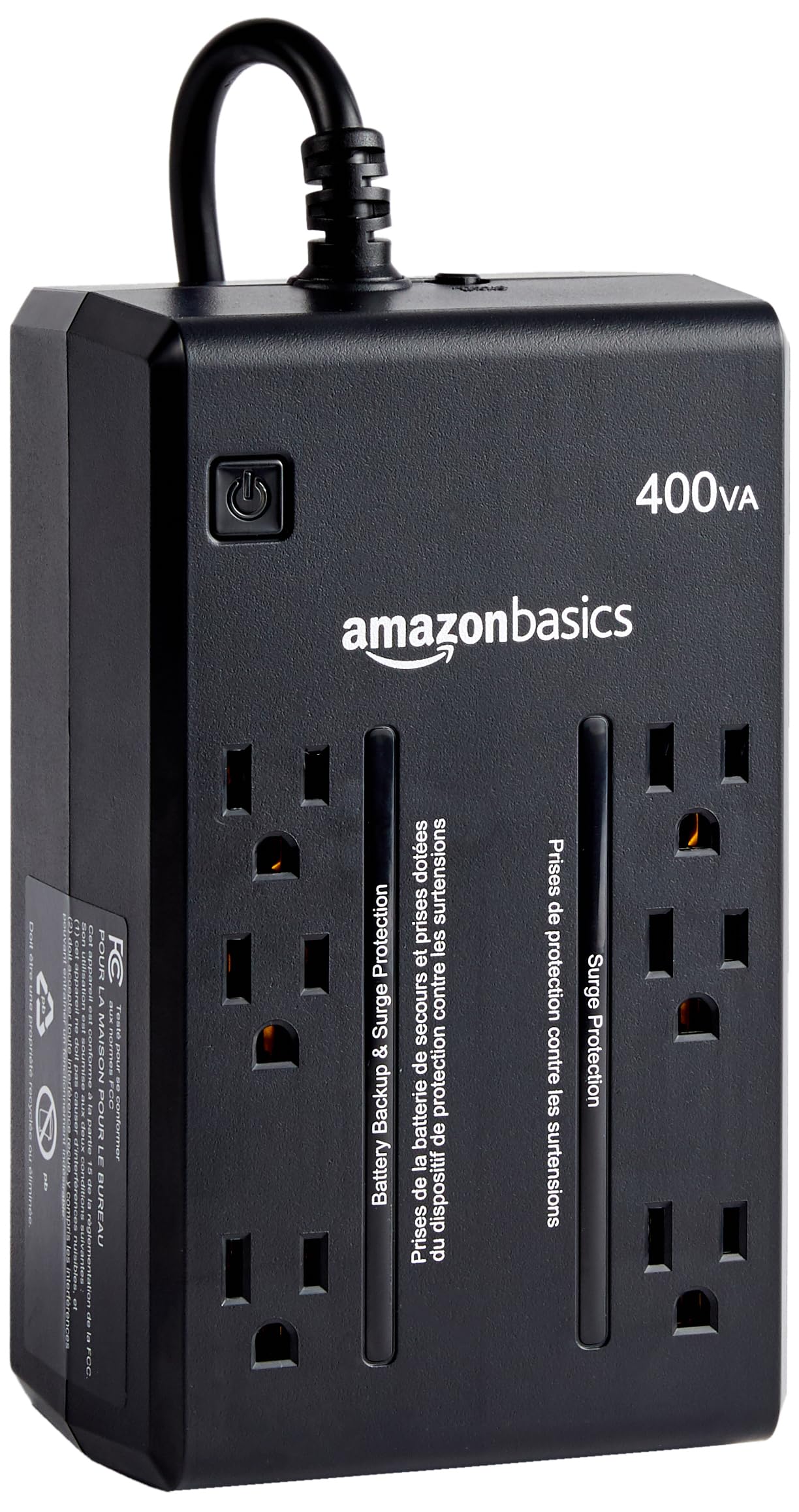
Buying a GPU is just the entry fee. The real cost of decentralized inference lies in the ongoing expenses of keeping that hardware online and secure. While the upfront price of an RTX 4090 or A100 is visible, the lifetime cost includes electricity, cooling, and the inevitable hardware degradation that comes with running large language models at high utilization.
Many operators underestimate maintenance surprises. GPUs running continuous inference workloads generate significant heat, which can shorten component lifespans if cooling is inadequate. Additionally, the rapid pace of model updates means your current hardware may become inefficient or incompatible with newer, larger models within months, forcing another capital expenditure. A cheap buy today might become a costly anchor if it cannot handle the next generation of inference tasks.
To assess true profitability, you must factor in these recurring costs. A node that appears cheap to purchase may have a higher total cost of ownership (TCO) due to energy inefficiency or frequent hardware replacements. Always calculate the break-even point based on realistic uptime and energy rates, not just the purchase price.


As an Amazon Associate, we may earn from qualifying purchases.
When a cheap buy stops being cheap
The allure of budget hardware is strong, but it often masks inefficiencies that erode profits over time. Low-cost GPUs may consume more power per inference task, leading to higher electricity bills that outweigh the initial savings. Also, they may lack the memory bandwidth or compute power needed for efficient inference, resulting in slower response times and lower user satisfaction.
Consider the tradeoff between upfront cost and operational efficiency. A slightly more expensive GPU with better performance per watt can yield higher yields over its lifespan. Additionally, better hardware often comes with longer warranties and support, reducing the risk of unexpected downtime and repair costs.
Evaluate your specific use case. If you are running high-frequency inference tasks, investing in higher-quality hardware may be more cost-effective in the long run. Conversely, for occasional or low-volume tasks, budget options might suffice. Always align your hardware choice with your expected workload and profitability goals.
Frequently asked questions about decentralized inference
Decentralized inference markets represent a shift from centralized cloud providers to distributed networks. Understanding the mechanics helps you evaluate which networks offer the best yield and reliability for your needs.
No comments yet. Be the first to share your thoughts!