
Decentralized inference markets face real limits to account for
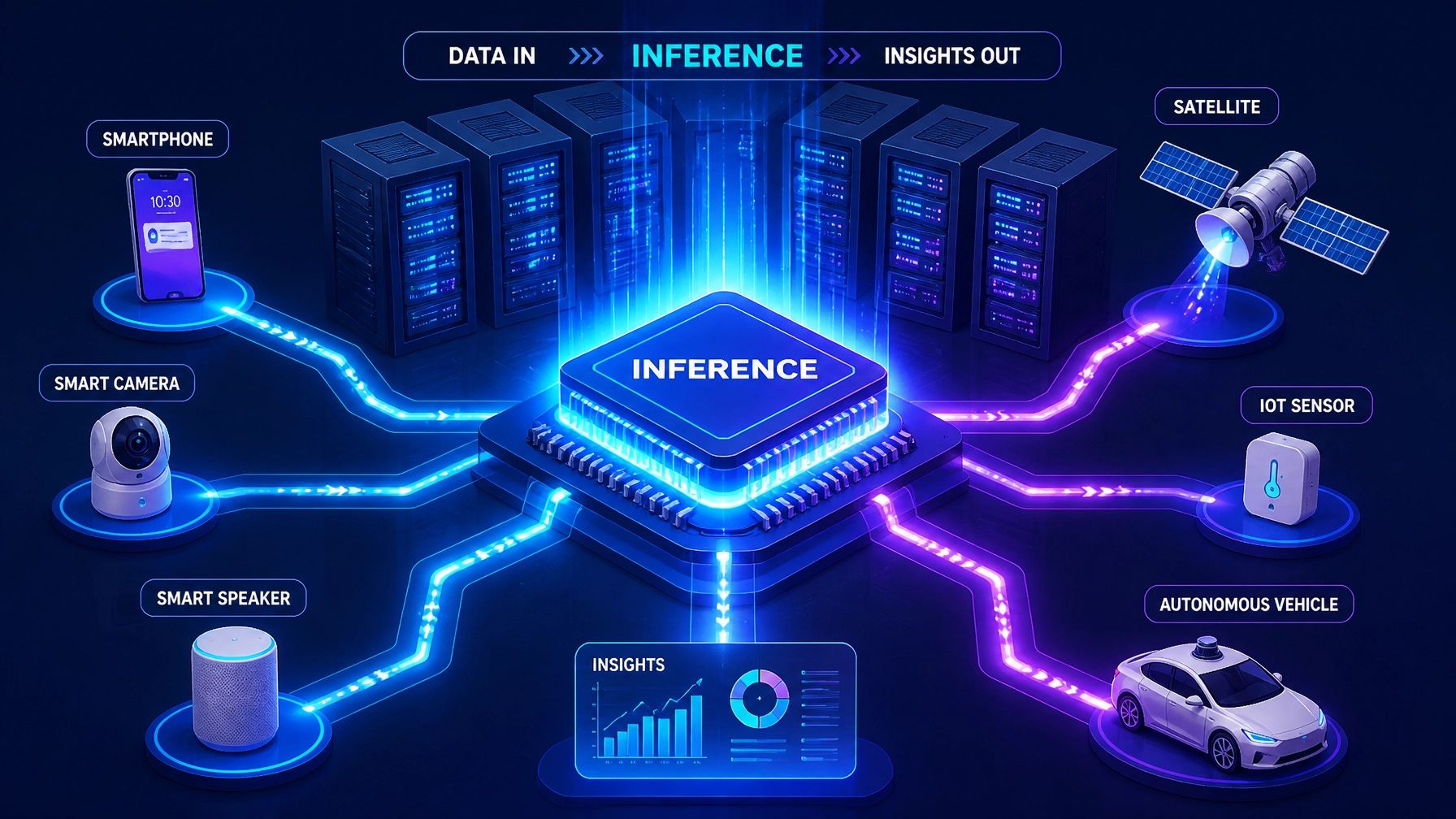
The promise of decentralized inference is straightforward: instead of sending data to distant cloud servers, the AI model comes to the data. This approach lowers latency and reduces privacy risks for sensitive workloads. However, the infrastructure required to make this work at scale is not yet mature. The current decentralized inference market is still grappling with fragmentation and reliability issues that central providers solve through vertical integration.
1. Network latency and bandwidth bottlenecks
Unlike centralized data centers with optimized internal networks, decentralized nodes are scattered globally. This introduces variable latency that can break real-time inference requirements. A model running on a node in Singapore may struggle to serve a user in New York within acceptable timeframes without significant optimization. This geographic dispersion is the primary constraint for time-sensitive applications.
2. Hardware heterogeneity and standardization
Centralized clouds offer uniform hardware environments. Decentralized networks must manage a chaotic mix of consumer GPUs, enterprise cards, and edge devices. Standardizing model execution across this hardware diversity is difficult. Without uniform benchmarks, it is hard to guarantee consistent performance or price stability for buyers relying on these distributed resources.
3. Trust and verification overhead
Verifying that a computation was performed correctly without revealing the underlying data is complex. Zero-knowledge proofs and other verification methods add computational overhead, slowing down inference speeds. This trade-off between privacy and speed remains a technical hurdle that most current platforms have not fully resolved for high-volume use cases.
The inference market is shifting
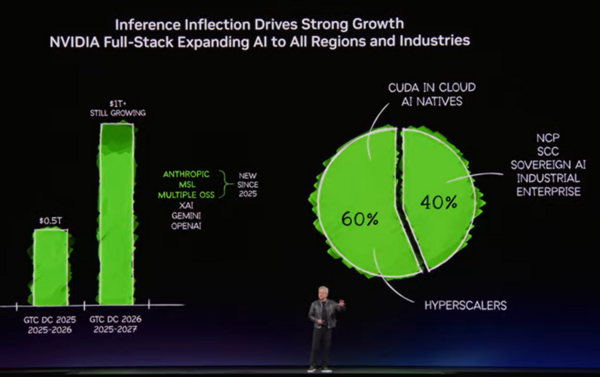
The traditional AI inference market is driven by the need for high-performance, low-latency computing infrastructure. As generative AI adoption accelerates, the demand for this infrastructure is outpacing the supply of centralized cloud capacity. This gap is creating room for decentralized alternatives to capture niche markets where cost or privacy is the primary concern.
Investors and developers are watching this space closely. While the technology is not yet ready to replace AWS or Azure for all workloads, it offers a compelling alternative for specific use cases. The key is to identify where the constraints of decentralization are acceptable trade-offs for the benefits of lower cost or enhanced privacy.
How to evaluate decentralized inference projects
When assessing decentralized AI projects, look for concrete evidence of network stability and hardware standardization. Avoid projects that rely solely on tokenomics without a clear technical roadmap for solving latency issues. The most viable candidates are those building robust verification layers and hardware abstraction layers.
Investing in this sector requires a different approach than traditional cloud infrastructure. You can invest in decentralized AI projects through cryptocurrency tokens, which often serve as both governance and payment mechanisms. Equity investment is also possible in some cases, but token-based access is more common. Always verify the project's technical claims against independent benchmarks before committing capital.
Decentralized inference markets choices that change the plan
Use this section to make the The AI Inference Boom decision easier to compare in real life, not just on paper. Start with the reader's actual constraint, then separate must-have requirements from details that are merely nice to have. A practical choice should survive normal use, maintenance, timing, and budget. If a recommendation only works in an ideal situation, call that out plainly and give the reader a fallback path.
| Factor | What to check | Why it matters |
|---|---|---|
| Fit | Match the option to the primary use case. | A good deal still fails if it does not fit the job. |
| Condition | Verify age, wear, and service history. | Hidden condition issues erase upfront savings. |
| Cost | Compare purchase price with likely upkeep. | The cheapest option is not always the lowest-cost option. |
Choose the next step
The AI Inference Boom works best as a clear sequence: define the constraint, compare the realistic options, test the tradeoff, and choose the path with the fewest hidden costs. That order keeps the advice usable instead of decorative. After each step, pause long enough to check whether the recommendation still fits the reader's actual situation. If it depends on perfect timing, unusual access, or a best-case budget, include a simpler fallback.

Spot the weak options in decentralized inference
The AI inference market is shifting, but the hype often obscures the technical reality. Buyers need to distinguish between legitimate decentralized infrastructure and marketing fluff. Here are the common traps to avoid when evaluating these providers.
Ignoring latency penalties
Decentralized inference is not always faster. Routing requests across a global network of nodes adds hops. If your application requires real-time responses, the overhead of consensus and data fetching can kill performance. Cloud providers offer predictable, low-latency paths. Decentralized options introduce variability. Test for jitter, not just average speed.
Overlooking data privacy claims
Many platforms promise "privacy-preserving" inference. This often means simple encryption in transit. It rarely means zero-knowledge proofs or confidential computing. If you are processing sensitive data, verify the cryptographic guarantees. Do not trust vague marketing terms. Check if the node operators can see the raw inputs or outputs.
Underestimating cost complexity
Token-based pricing looks cheap until you factor in gas fees and node rewards. Some projects use volatile cryptocurrency for payments. This exposes your budget to market swings. Compare the total cost of ownership, including transaction fees, against stable fiat pricing from traditional cloud providers. The "cheap" option often becomes expensive during network congestion.
Skipping the proof
Demand a live demo with your specific workload. Synthetic benchmarks do not reflect real-world performance. Ask for case studies from similar industries. If a provider cannot show consistent uptime or latency metrics, walk away. The decentralized inference market is still maturing. Proof of capability matters more than promises.
Decentralized inference markets: what to check next
Before committing capital or engineering resources to decentralized inference, it helps to separate the hype from the actual mechanics. The market is still defining its standards, so understanding the underlying structure and investment vehicles is essential for navigating the 2026 boom.
No comments yet. Be the first to share your thoughts!