
Decentralized inference markets limits to account for
Use this section to make the The Decentralized Inference Boom decision easier to compare in real life, not just on paper. Start with the reader's actual constraint, then separate must-have requirements from details that are merely nice to have. A practical choice should survive normal use, maintenance, timing, and budget. If a recommendation only works in an ideal situation, call that out plainly and give the reader a fallback path.
The simplest way to use this section is to write down the must-have criteria first, then compare each option against those criteria before weighing nice-to-have features.
Decentralized inference markets choices that change the plan
Decentralized inference markets promise cheaper compute by pooling idle GPUs, but the architecture introduces distinct operational risks. Before committing capital or migrating workloads, you must evaluate how verification, latency, and liquidity interact. These factors determine whether a platform can deliver consistent results or if it remains a theoretical experiment.
The core tension lies in verification. Centralized cloud providers guarantee output through physical control. Decentralized networks use zero-knowledge proofs or optimistic fraud proofs to verify correctness. This adds latency and complexity. If the verification layer is too slow, the inference becomes unusable for real-time applications.
| Factor | Centralized Cloud | Decentralized Network |
|---|---|---|
| Cost | High (premium for reliability) | Low (idle resource arbitrage) |
| Verification | Physical trust | Zero-knowledge / Fraud proofs |
| Latency | Predictable, low | Variable, often higher |
| Uptime | SLA-backed (99.9%+) | Best-effort, node-dependent |
Verification costs are the hidden tax. Platforms like Petals or Bittensor use cryptographic methods to ensure the result is correct. While this removes the need for a central authority, it increases computation time. For high-frequency trading or real-time chat, this delay may be unacceptable. For batch processing or training data generation, it is often negligible.
Latency and reliability vary significantly. A decentralized network relies on individual nodes. If a node goes offline during inference, the task must be reassigned. This introduces jitter. Centralized providers offer stable connections. You must decide if your application can tolerate variable response times.
Liquidity and token stability affect pricing. Many decentralized inference platforms use native tokens for payment. If the token is volatile, the cost of inference fluctuates. This makes budgeting difficult for enterprise users. Some platforms peg their pricing to stablecoins, but this reduces the speculative upside that attracts GPU providers.
Data privacy is another consideration. Decentralized inference often requires splitting data across nodes. While this can enhance privacy through sharding, it also increases the attack surface. If the encryption keys are compromised, data integrity is lost. Centralized providers offer clearer legal frameworks for data handling.
| Feature | Centralized | Decentralized | Primary Risk |
|---|---|---|---|
| Cost Structure | Fixed, premium | Variable, market-driven | Token volatility |
| Verification | Physical trust | Cryptographic proofs | Verification latency |
| Latency | Stable, low | Jitter, higher | Real-time failure |
| Uptime | SLA-backed | Node-dependent | Task reassignment |
| Privacy | Legal contracts | Sharding/Encryption | Key compromise |
The market is still maturing. Early adopters should test workloads with small batches. Monitor verification times and node stability before scaling. The technology offers significant cost savings, but only for applications that can absorb the current technical constraints.
How to choose a decentralized inference provider
Building a model on decentralized infrastructure requires more than just finding cheap GPU hours. You need to verify that the network can actually prove the computation is correct. If the verification layer fails, the output is useless regardless of the price. Use this framework to evaluate providers based on their verification method, latency profile, and economic security.
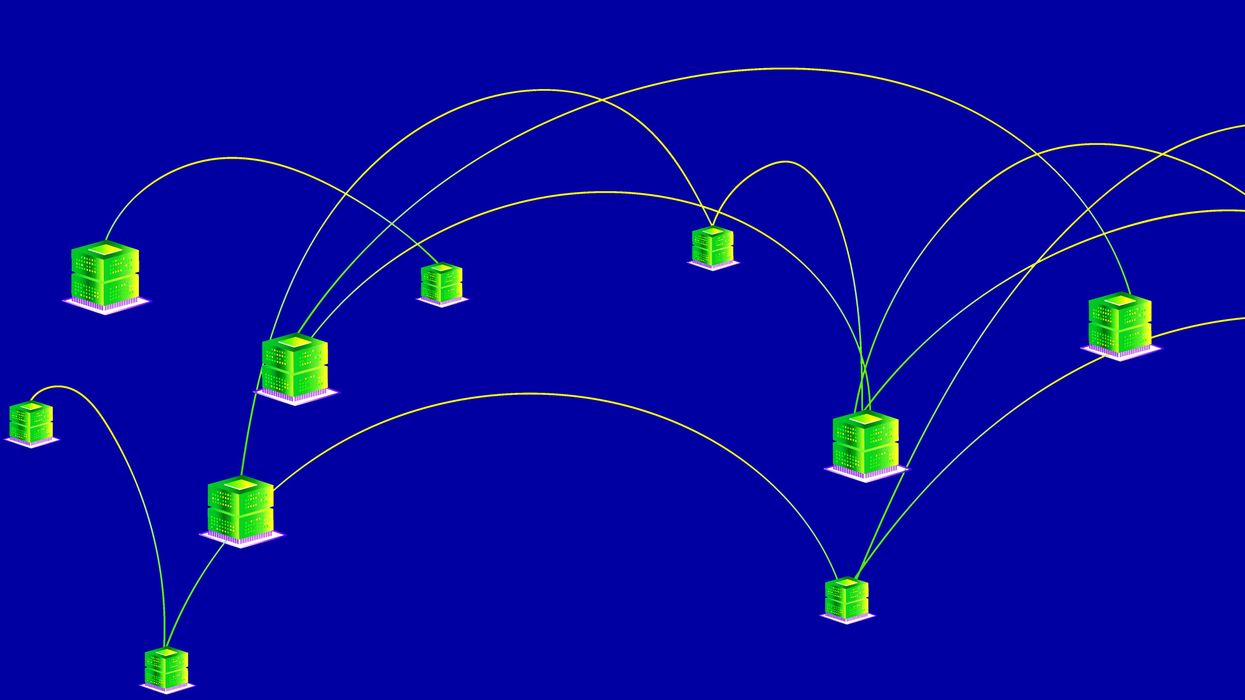
The most critical technical distinction is how the network proves the AI output is correct. Dragonfly Research identifies three main approaches: zero-knowledge proofs, optimistic fraud proofs, and cryptoeconomics. Zero-knowledge proofs offer the highest security but add significant computational overhead. Optimistic proofs are faster but rely on a challenge period where validators can dispute incorrect results. Choose the method that matches your risk tolerance for financial loss versus waiting time.

Decentralized inference is not yet a drop-in replacement for centralized clouds like AWS for real-time applications. The routing overhead between nodes can add hundreds of milliseconds to your request latency. If your use case involves high-frequency trading or interactive chatbots, benchmark the provider’s average response time against your baseline. For batch processing or offline analysis, decentralized networks often offer superior throughput at a fraction of the cost.

A decentralized network is only as secure as its financial stakes. Look for providers that implement "slashing" mechanisms, where node operators lose their collateral if they submit invalid proofs. High-value networks like Ethereum have robust slashing conditions; smaller inference-specific chains may have less economic security. Ensure the total value locked in the protocol is sufficient to deter malicious actors from attempting to corrupt the inference results.
Unlike centralized APIs, decentralized inference often processes data across multiple untrusted nodes. Verify if the protocol uses homomorphic encryption or secure enclaves to keep your input data private. Without these protections, your proprietary prompts or sensitive customer data could be visible to the nodes running the computation. For sensitive workloads, prioritize providers with end-to-end encryption guarantees over those offering the lowest raw compute price.
Spotting Weak Inference Claims
The decentralized inference boom is attracting hype, but not all projects deliver on their promises. When evaluating options, look for three common red flags that separate viable infrastructure from speculative noise.
Missing Verification Layers Many platforms advertise "trustless" compute without implementing zero-knowledge proofs or optimistic fraud proofs. Without these cryptographic guarantees, you are trusting node operators not to return faulty results. If a project cannot explain how it validates model outputs, treat it as unverified rather than decentralized.
Vague Incentive Structures A healthy network rewards accuracy, not just uptime. Be wary of protocols that offer flat rewards for participation regardless of result quality. This setup encourages spamming and low-quality models. Look for cryptoeconomic designs where staked tokens are slashed for bad behavior, aligning economic incentives with computational integrity.
Overstated Scalability Claims of "infinite scale" often ignore the latency costs of consensus. Decentralized inference involves coordination overhead that centralized clouds avoid. Check for concrete benchmarks on model loading times and batch processing. If the documentation lacks performance metrics, the architecture likely cannot handle real-time inference demands.
Decentralized inference markets: what to check next
The shift toward decentralized inference is reshaping how AI compute is sourced and verified. Before committing to these networks, it helps to understand the underlying mechanics and the tradeoffs involved in using token-coordinated markets for production workloads.
No comments yet. Be the first to share your thoughts!