
Get decentralized inference markets right
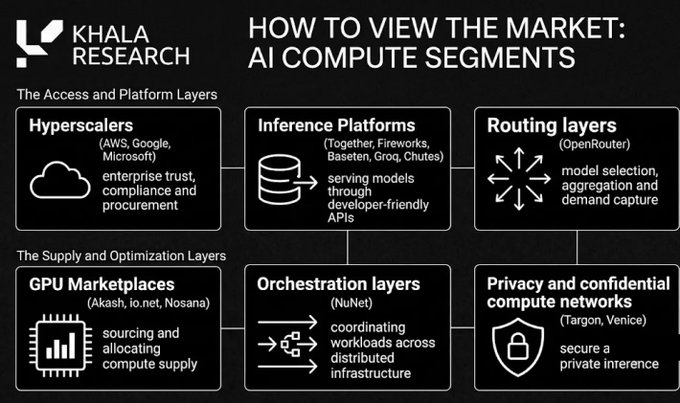
Before you connect a wallet or deploy a model, you need to understand the infrastructure you are entering. Decentralized inference markets coordinate idle GPUs across a global network to run AI models. Projects like io.net, Akash, Render, and Aethir have built these token-coordinated systems over several years. They function as a distributed cloud, but with different incentives and trust models.
The core value proposition is simple: instead of sending your data to distant, centralized servers, the AI computation moves to where your data already lives or where compute is cheapest. This reduces latency for edge applications and lowers costs for developers who cannot afford enterprise-grade cloud pricing. However, this efficiency comes with trade-offs in reliability and verification that you must account for.
Pre-launch checklist
Use this list to verify your setup before committing resources to a decentralized inference node.
- Verify node requirements: Ensure your hardware meets the minimum GPU VRAM and compute specs for your target model.
- Select the right network: Choose a market (e.g., Akash, Render) based on your specific latency and cost needs.
- Test with small batches: Run a few hundred inferences to check for consistency before scaling up.
- Check token liquidity: Ensure you have enough native tokens for gas fees and node payments.
Common pitfalls
Many developers fail because they treat decentralized inference like a traditional API call. Latency is not guaranteed, and nodes can go offline. Always build fallback mechanisms and monitor node reputation scores. Do not assume that lower cost means lower quality; it often means higher variance in service levels.
How to set up a decentralized inference node
Running a node in a decentralized inference market connects your idle compute power to AI workloads. Unlike centralized clouds that pull data to their servers, these networks bring the model to your hardware. You will earn tokens by providing GPU capacity for tasks like image generation or data processing.
Here is the step-by-step process to get started with a typical decentralized inference provider.
Check your GPU against the network’s requirements. Most inference tasks need at least 8GB of VRAM, but models like LLaMA or Stable Diffusion run smoother with 12GB or more. Ensure your GPU supports CUDA or ROCm, as most networks require NVIDIA hardware or specific AMD configurations. Without compatible drivers, your node will fail verification.
Download the official client from the provider’s repository, such as io.net, Akash, or Nosana. Follow their documentation to install dependencies. This software acts as the bridge between your hardware and the network. Keep the client updated to maintain compatibility with the latest model versions.
Link a compatible wallet to your node account. This wallet receives your token rewards and manages your identity on the network. Ensure you hold enough native tokens to cover any staking requirements or transaction fees. Some networks require a small deposit to prove you are a serious participant.
Input your wallet address and network settings into the node client. Start the service and monitor the logs for connection success. The node will now listen for incoming inference tasks. You can adjust resource limits to balance between multiple tasks or other local activities.
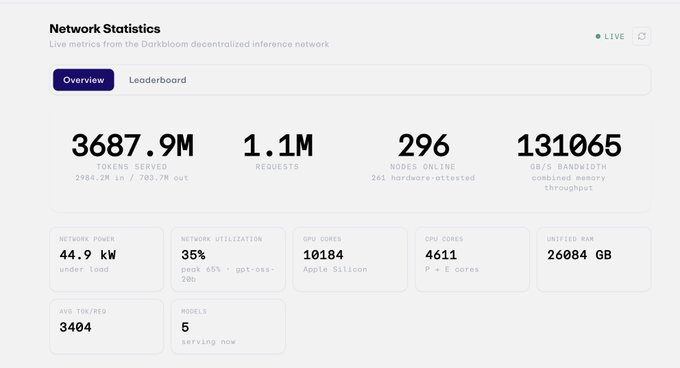
Use the provider’s dashboard to track your uptime and earnings. Consistent availability increases your reputation score, leading to more task assignments. If your node drops offline frequently, your rewards will decrease. Aim for 99% uptime to maximize your earnings potential.
Common mistakes to avoid
Many users overlook power management. Running a GPU at 100% load generates significant heat and electricity costs. If your power bill exceeds your token earnings, the project is not viable. Set thermal limits and consider running nodes only during off-peak hours.
Another error is ignoring network latency. Inference tasks require quick responses. If your internet connection is unstable or slow, you will fail to deliver results on time, resulting in penalties. Use a wired connection whenever possible.
Proof checks
Before going live, verify your node status. Check the network dashboard to confirm your node is visible and accepted. Run a test task if available to ensure your hardware can handle the workload. Monitor your first few payouts to confirm the reward calculation matches your expectations.
Fix common mistakes
Decentralized inference markets promise cheaper, more private AI compute, but the path to reliable deployment is littered with avoidable errors. Users often conflate the promise of decentralization with immediate performance parity, leading to frustrated deployments when latency spikes or results drift. The following mistakes are the most frequent causes of poor outcomes in 2026.
Ignoring latency requirements
Not all inference tasks are created equal. Real-time applications like autonomous driving or high-frequency trading cannot tolerate the network hops inherent in distributed compute. Mistake #1 is sending latency-sensitive workloads to a decentralized network without verifying node proximity. If your application requires sub-100ms responses, stick to centralized edge nodes or verify that the decentralized protocol offers dedicated, low-latency paths. Do not assume that "decentralized" automatically means "fast enough."
Overlooking data privacy and compliance
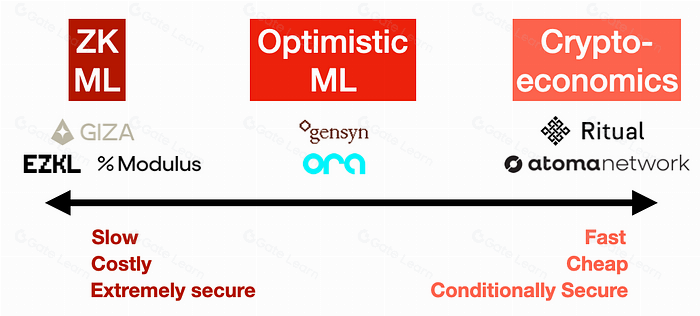
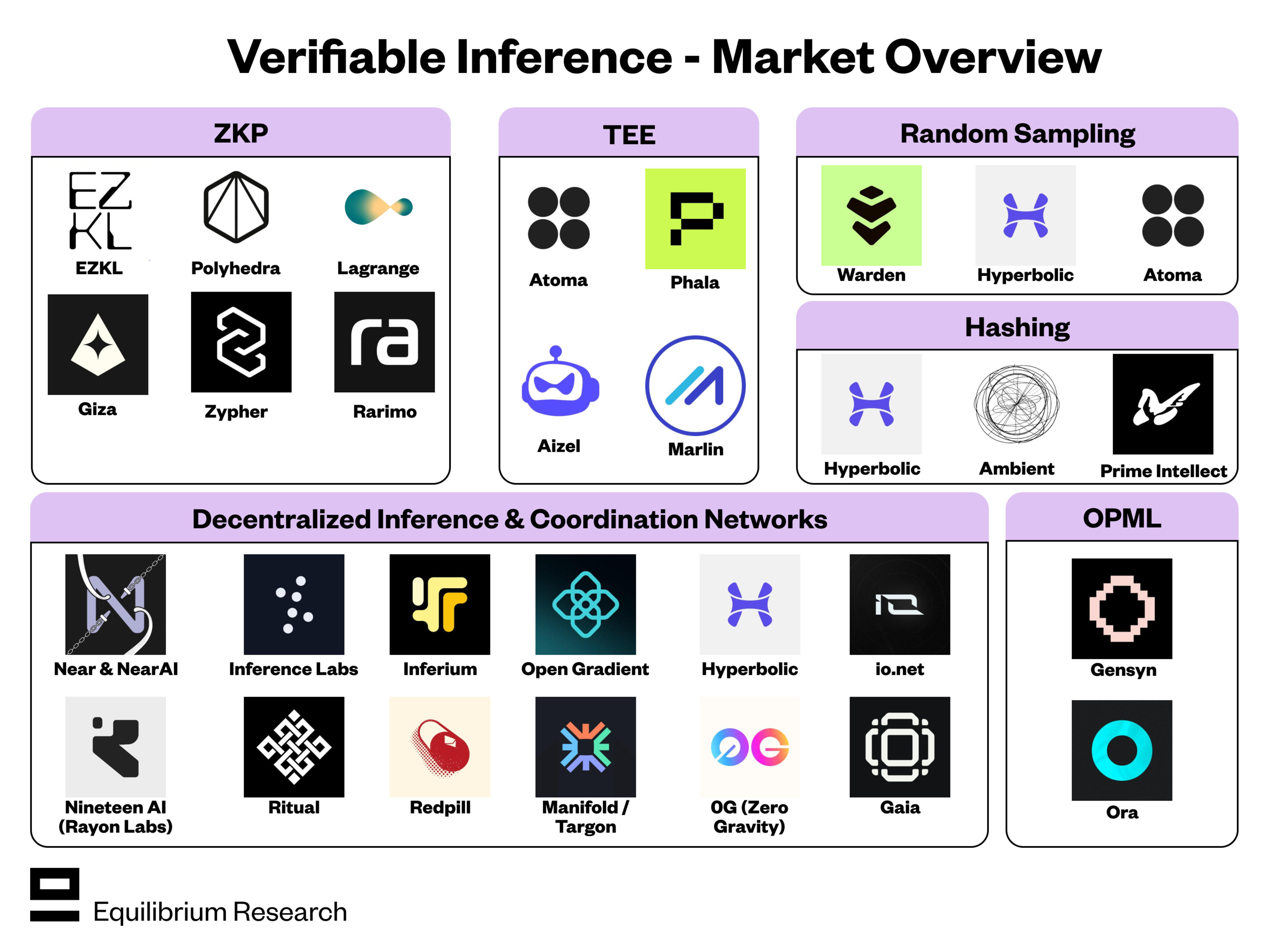
A core selling point of decentralized inference is that data stays closer to the edge, but this is not a guarantee. Mistake #2 is uploading sensitive PII or proprietary model weights to a public marketplace without verifying encryption standards. Ensure the protocol uses secure enclaves (like Intel SGX or AMD SEV) or zero-knowledge proofs to validate computation without exposing raw data. If the provider cannot prove how your data is handled, the cost savings are not worth the regulatory risk.
Underestimating token volatility
Many decentralized markets price compute in native tokens. Mistake #3 is budgeting in fiat while paying in volatile assets. A 20% drop in the protocol token might look like a discount, but a sudden spike can blow your compute budget overnight. Hedge your exposure by using stablecoin payment options if available, or factor a significant volatility buffer into your cost projections. The tokenomics of these markets are still maturing, and price instability is a feature, not a bug, of early-stage incentive models.
Choosing the wrong protocol for the workload
Not all decentralized networks support all GPU architectures or AI frameworks. Mistake #4 is assuming universal compatibility. Verify that the network supports your specific model type (e.g., LLMs vs. computer vision) and framework (PyTorch, TensorFlow). Some networks are optimized for training, not inference, and may lack the necessary software stack for efficient model serving. Do not force a square peg into a round hole; match the protocol's strengths to your technical requirements.
Decentralized inference markets: what to check next
Before committing to a decentralized inference network, it helps to separate the token mechanics from the actual compute utility. The market is still maturing, and confusion often arises between general crypto marketplaces and specialized AI compute layers.
No comments yet. Be the first to share your thoughts!