
Decentralized inference limits to account for
2026 guide: How Decentralized Inference Markets Are Democratizing AI Computation works best as a clear sequence: define the constraint, compare the realistic options, test the tradeoff, and choose the path with the fewest hidden costs. That order keeps the advice usable instead of decorative. After each step, pause long enough to check whether the recommendation still fits the reader's actual situation. If it depends on perfect timing, unusual access, or a best-case budget, include a simpler fallback.
The simplest way to use this section is to write down the real constraint first, compare each option against it, and choose the path that still works outside ideal conditions.
Decentralized inference choices that change the plan
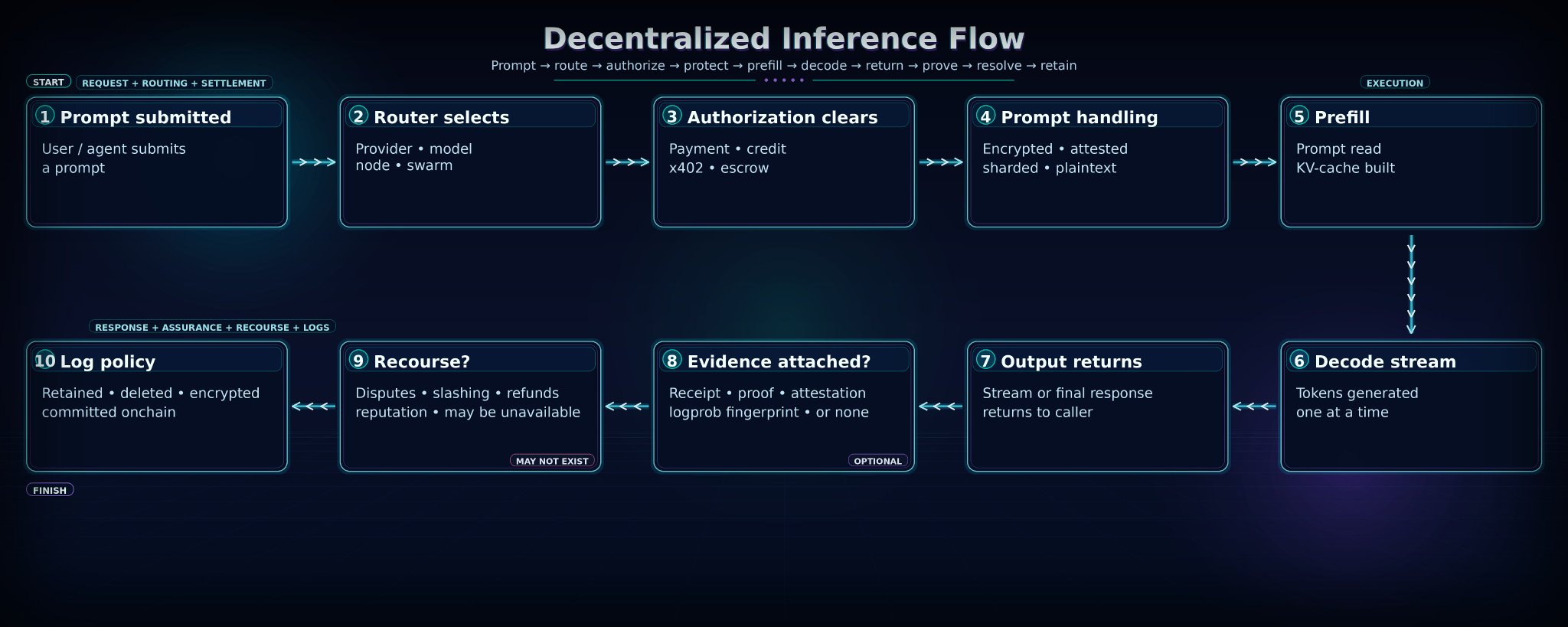
Decentralized inference offers a way to run large language models without relying on a single provider, but it introduces distinct engineering constraints. Before committing to a distributed architecture, you need to evaluate how latency, cost, and verification overhead impact your specific use case.
The primary tension lies between speed and trust. Centralized clouds optimize for raw throughput, while decentralized networks prioritize verification and redundancy. This section breaks down the concrete factors that determine which approach fits your technical requirements.
Latency and Network Stability
Decentralized inference often faces higher latency due to network hops and the need for consensus or verification across nodes. Prime Intellect notes that building engines for the public internet requires handling high latency and packet loss, which can make real-time chat applications feel sluggish compared to centralized APIs. If your application requires sub-second responses, a distributed model may introduce unacceptable delays.
Cost Efficiency
While decentralized networks can offer lower compute costs by leveraging underutilized hardware, the overhead of cryptographic verification and data sharding can erode those savings. For simple, high-volume inference tasks, centralized providers often achieve better economies of scale. Decentralized inference becomes more attractive for specialized, privacy-sensitive, or censorship-resistant workloads where the premium for decentralization is justified.
Verification and Reliability
Frameworks like VeriLLM demonstrate that public verifiability is a core advantage, ensuring that the output was generated correctly without trusting a single operator. However, this verification process adds computational overhead. You must decide if the guarantee of correctness and auditability outweighs the increased latency and complexity of managing a distributed node network.
| Factor | Centralized Cloud | Decentralized Network |
|---|---|---|
| Latency | Low (optimized) | Higher (network hops) |
| Cost | Predictable, volume discounts | Variable, verification overhead |
| Verification | Trust provider | Cryptographic proof |
| Resilience | Single point of failure | High (distributed nodes) |
Choose the next step
2026 guide: How Decentralized Inference Markets Are Democratizing AI Computation works best as a clear sequence: define the constraint, compare the realistic options, test the tradeoff, and choose the path with the fewest hidden costs. That order keeps the advice usable instead of decorative. After each step, pause long enough to check whether the recommendation still fits the reader's actual situation. If it depends on perfect timing, unusual access, or a best-case budget, include a simpler fallback.
Spotting Weak Options and Misleading Claims
Decentralized inference markets promise to democratize AI computation, but the narrative often outpaces the infrastructure. While it is possible to run models without a single provider, the reality involves significant trade-offs in latency and cost that marketing materials rarely highlight. Understanding these gaps is essential before committing resources.
The Latency Myth
Many platforms claim real-time performance comparable to centralized clouds like AWS or Google Cloud. In practice, decentralized networks introduce variable latency due to node discovery, consensus, and data sharding. If your application requires sub-50ms response times, decentralized inference is likely a weak option. Always benchmark against your specific SLA requirements before deploying.
Cost Misconceptions
The "cheaper than AWS" headline is often misleading. While compute costs may be lower, the total cost of ownership includes network fees, verification overhead, and potential downtime penalties. A model might cost pennies per inference, but if the node fails and you must retry, costs spike. Calculate the full pipeline cost, not just the raw compute price.
Verification Overhead
Decentralized networks often use zero-knowledge proofs or other verification mechanisms to ensure honest computation. This adds computational overhead that can slow down inference by 2-5x compared to a trusted cloud instance. If you do not need cryptographic proof of computation, you are paying for security you do not use.
Vendor Lock-in in Disguise
Some "decentralized" platforms require you to use their proprietary SDKs or specific model quantizations. This creates a new form of lock-in, swapping one vendor for another. Look for open standards like ONNX or Hugging Face compatibility. If the platform forces a specific toolchain, it is not truly decentralized.
When to Avoid
Avoid decentralized inference for:
- Latency-sensitive applications (e.g., real-time gaming, high-frequency trading)
- Models requiring massive, contiguous memory (e.g., large language models >70B parameters)
- Applications needing strict data residency compliance (GDPR, HIPAA) where node locations are unpredictable
For these use cases, centralized providers remain the robust choice. Decentralized inference shines in batch processing, non-critical path tasks, or scenarios where censorship resistance is paramount.
Decentralized inference: what to check next
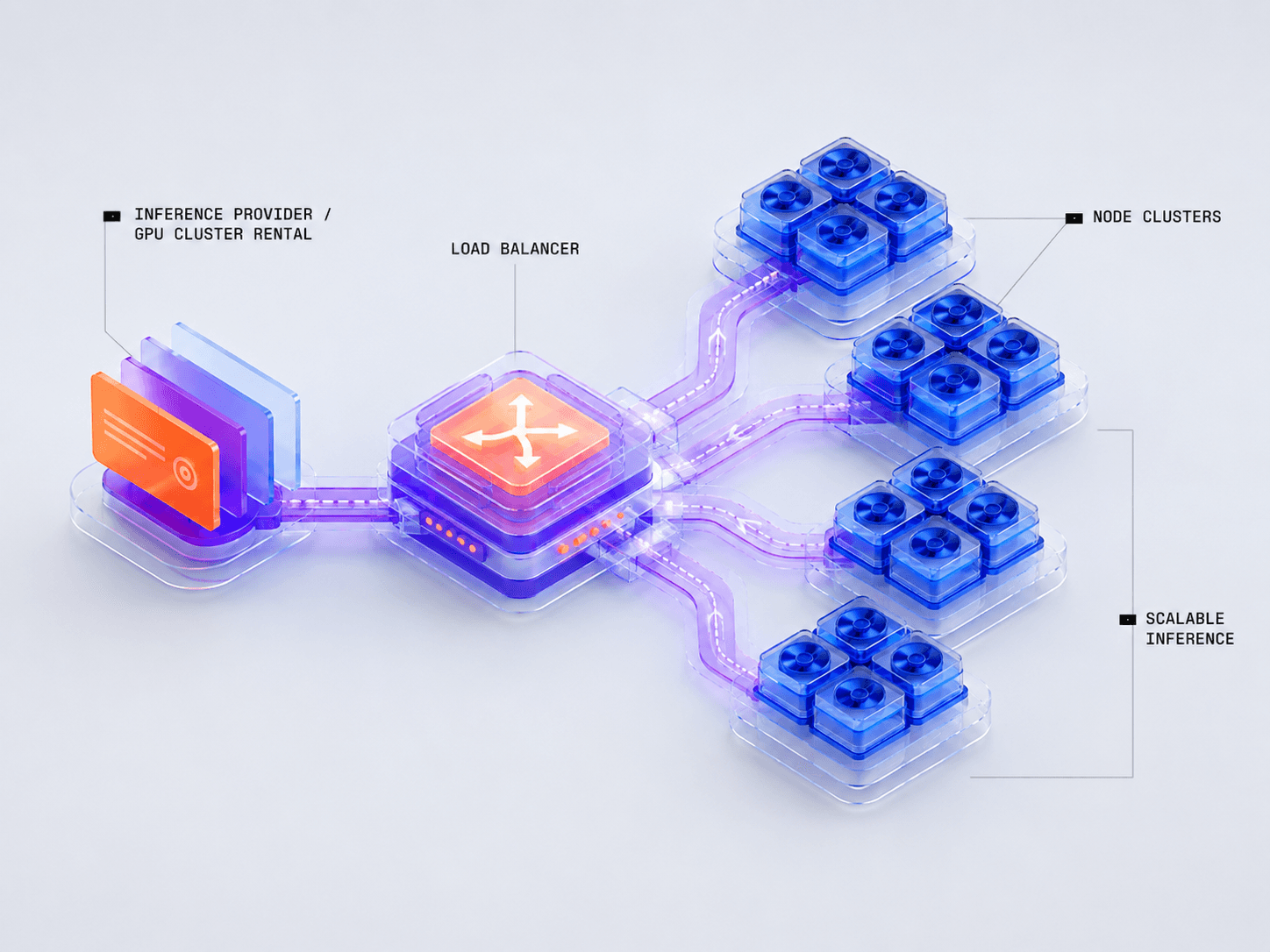
Before committing to a decentralized inference provider, it helps to separate the marketing hype from the actual mechanics. The term "decentralized" gets thrown around loosely, but in this context, it refers to a specific technical architecture for serving AI models. Understanding the difference between how these systems work and how centralized clouds operate will clarify whether they fit your latency, cost, and privacy needs.
No comments yet. Be the first to share your thoughts!