
Why inference costs are breaking centralized models
The economics of running AI models have shifted dramatically. In 2025, the global AI inference market was valued at $103 billion, and it is projected to reach $255 billion by 2030. This rapid growth is driven largely by the explosion of agent-based compute demand, where autonomous systems require constant, low-latency access to models.
Centralized cloud providers have struggled to keep pace with this scale. GPU pricing on major platforms has risen faster than model efficiency gains, creating a widening gap between what developers can afford and what is technically necessary. When the cost of compute outpaces the reduction in model parameters, the traditional cloud model becomes unsustainable for high-volume inference tasks.
This bottleneck has created an immediate opening for decentralized networks. Protocols like Zylos are emerging to address this specific economic disconnect by aggregating underutilized GPU capacity from diverse sources. Instead of relying on a few dominant data centers, these markets distribute the load, allowing developers to access compute at a fraction of the centralized cost while maintaining the low latency required for real-time agent operations.
How decentralized GPU networks operate
High costs and supply shortages have pushed many developers away from single-tenant cloud instances toward decentralized GPU networks. Instead of renting an entire A100 or H100 from a single provider, these protocols aggregate idle or specialized hardware from a global pool. This shift treats compute as a commodity resource, allowing users to access inference capacity without the overhead of dedicated infrastructure.
The mechanism relies on three distinct phases: request submission, GPU matching, and verification. When a user submits a prompt, the network routes it to available nodes based on latency, price, and capability. Once the inference is complete, the result is verified before delivery. This process ensures that the final output matches the requested computation, even when the underlying hardware is scattered across different providers.
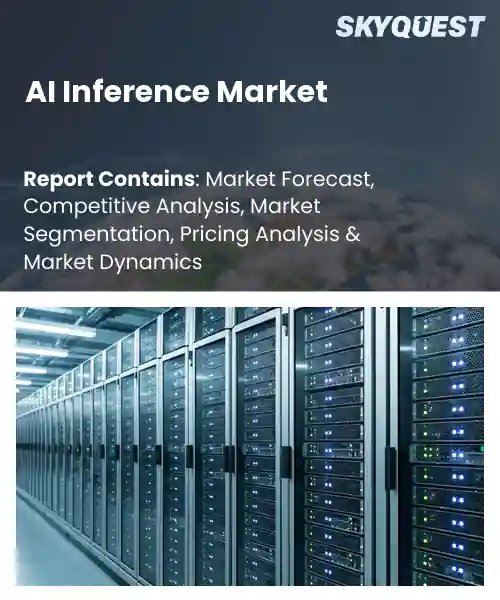
The process begins when a developer sends an inference request to the network gateway. The request includes the model weights, input data, and specific constraints like latency or privacy requirements. Unlike traditional cloud APIs where you connect to a fixed endpoint, here the request enters a distributed queue.
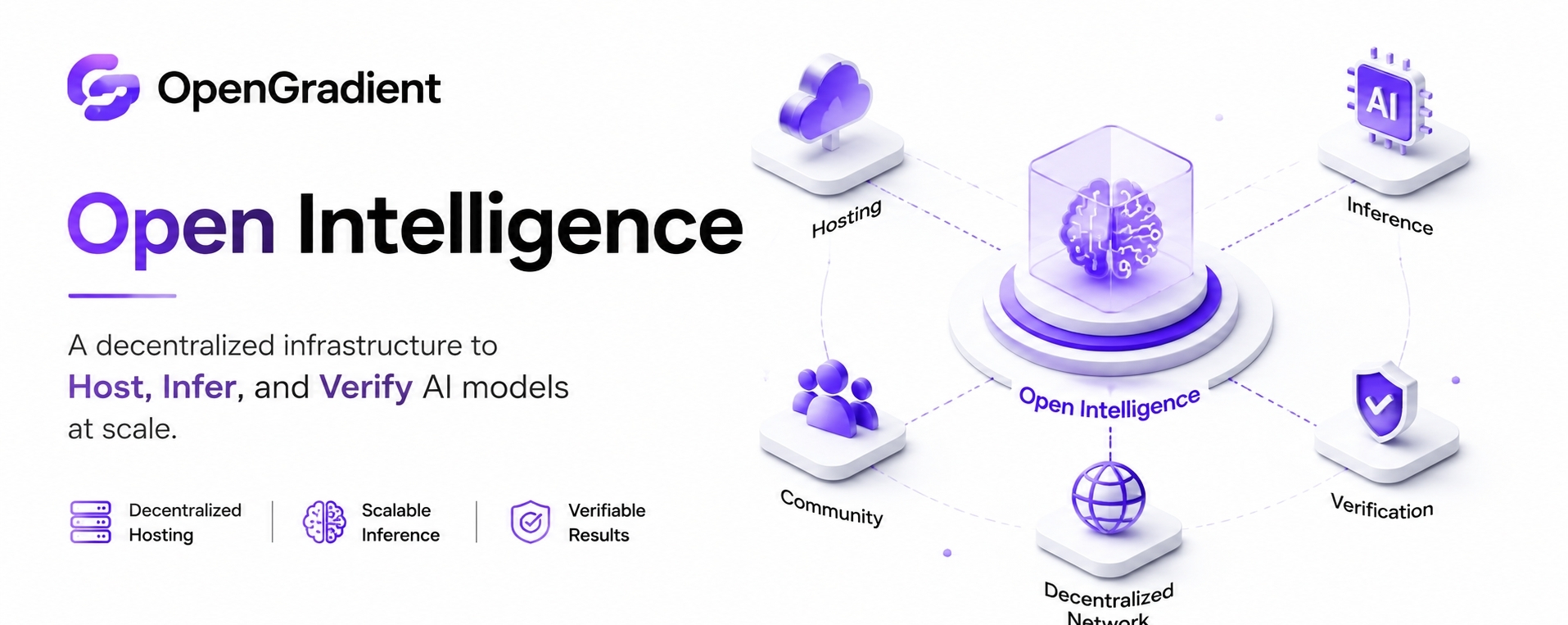
The network identifies suitable nodes from its pool. Algorithms evaluate available GPUs based on current load, geographic proximity, and pricing. This matching process is dynamic; if a node becomes overloaded, the request may be rerouted. This flexibility is the primary economic advantage over static cloud reservations.
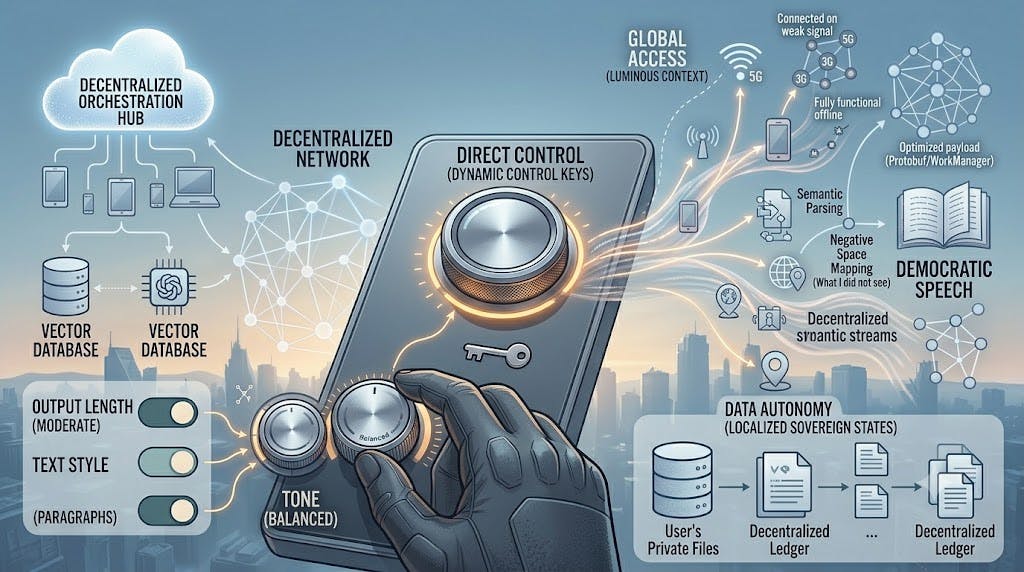
After the GPU processes the prompt, the result is sent back through the network. Verification mechanisms, often involving cryptographic proofs or redundant computation checks, ensure the output is correct. Once verified, the result is delivered to the user, and the node is rewarded. This final step closes the loop, ensuring reliability in a trustless environment.
Key protocols reshaping AI compute access
The shift from centralized to decentralized compute is driven by the need to bypass the bottlenecks of traditional cloud providers. As AI models grow larger, the cost of inference spikes, creating a market where decentralized networks offer competitive pricing and scalability. These protocols act as intermediaries, connecting users with idle GPU resources from around the world.
Render Network (RNDR) has evolved beyond its initial focus on graphics rendering to become a major player in AI compute. By leveraging a global network of nodes, Render provides scalable GPU power for machine learning tasks. Its established infrastructure makes it a reliable choice for developers seeking decentralized inference capabilities.
Akash Network operates as a decentralized cloud marketplace, offering GPU instances at a fraction of the cost of major cloud providers. It allows users to deploy AI models on a permissionless network, ensuring transparency and reducing vendor lock-in. Akash’s competitive bidding system drives down prices, making high-performance compute accessible to a broader audience.
Bittensor focuses specifically on decentralized machine learning, creating a network where miners provide inference services in exchange for token rewards. This model encourages continuous innovation and optimization of AI models. Users can access a variety of machine learning capabilities, from natural language processing to image generation, through a single, unified protocol.
Petals takes a different approach by enabling distributed inference for large language models. It allows users to contribute their GPU resources to run parts of a model, collectively supporting the inference process. This collaborative model reduces the burden on individual nodes and makes running large models feasible for smaller participants.
Protocol Comparison
The following table compares key decentralized inference protocols based on their core features and market positioning.
| Protocol | Primary Focus | Pricing Model | Key Advantage |
|---|---|---|---|
| Render Network (RNDR) | General GPU Compute | Market-based | Established infrastructure |
| Akash Network | Decentralized Cloud | Competitive bidding | Cost efficiency |
| Bittensor | Machine Learning | Token rewards | Innovation incentive |
| Petals | LLM Inference | Resource contribution | Collaborative scaling |
Tokenomics and on-chain pricing mechanics
Decentralized inference markets solve the opaque billing of centralized clouds by replacing fixed monthly subscriptions with real-time, on-chain pricing. In 2026, you no longer pay for reserved capacity you might not use; you pay exactly for the compute cycles your model consumes, settled instantly via smart contracts. This shift transforms GPU access from a capital expense into a variable utility, similar to electricity.
The price of inference is determined by a simple supply-and-demand algorithm embedded in the protocol. When demand for specific GPU types spikes, the token value adjusts automatically, rewarding providers who bring idle hardware online. This dynamic pricing ensures that you always get the lowest available market rate, rather than the inflated rates of a single vendor. The token acts as the settlement layer, backing the value of the compute offered.
Staking plays a critical role in this ecosystem by ensuring reliability. Providers must stake tokens to join the network, creating a financial bond that penalizes downtime or poor performance. If a provider fails to deliver the promised inference speed, their stake is slashed, and the work is reassigned. This mechanism replaces the need for complex Service Level Agreement (SLA) negotiations with code-enforced guarantees.
Transparency is the final benefit. Every transaction, from the request to the final output verification, is recorded on the blockchain. You can audit exactly how much was paid for each token of compute, eliminating hidden fees or surprise overages. This level of visibility allows developers to optimize costs with precision, knowing precisely where their budget goes.
When to use decentralized inference
Centralized cloud providers are locking in high-margin contracts for AI compute, but their pricing models often break down for specific workloads. If your application involves batch processing large datasets, handling sensitive personal data, or running niche open-source models, the standard cloud stack may be too expensive or restrictive. Decentralized inference markets offer a practical alternative by aggregating underutilized GPU capacity from independent providers.
Cost-sensitive batch processing
For tasks like training fine-tunes, generating large volumes of content, or running nightly data pipelines, latency is often less critical than cost. Centralized clouds charge premium rates for reserved instances, even during off-peak hours. Decentralized networks like Bittensor or Render allow you to tap into spot-market GPU prices, which can be 50-80% lower for non-real-time inference. This shift is particularly valuable for startups and researchers who need to scale compute without committing to long-term cloud contracts.
Privacy-preserving inference
Sending proprietary data to a centralized server creates compliance risks and intellectual property exposure. Decentralized inference flips this model by bringing the AI model to the data rather than moving data to the server. Protocols using zero-knowledge proofs or secure enclaves enable computation on sensitive datasets—such as medical records or financial transactions—without exposing the raw data to the compute provider. This approach is essential for industries where data sovereignty is a legal requirement.
Accessing uncensored or niche models
Major cloud providers often restrict access to certain open-source models due to content policies or licensing restrictions. Decentralized markets are more permissive, allowing developers to run uncensored, specialized, or experimental models that are unavailable on AWS or Azure. If you need to run a specific version of Llama or Mistral with custom quantization, or a model fine-tuned for a very specific domain, decentralized inference provides the flexibility to deploy these tools without navigating corporate approval workflows.
Frequently asked questions about AI compute
As the decentralized inference market shifts from experimental to mission-critical production in 2026, users are asking how these networks handle real-world performance constraints. The following questions address the most common concerns regarding latency, security, and model availability.
Quick checklist
-
Match the sizeMake sure the decentralized inference markets 2026 option fits your household, storage space, and normal batch size.
-
Check the materialChoose a material that handles heat, washing, and regular use without becoming a chore.
-
Plan the cleanupAvoid anything that needs more maintenance than you are likely to give it.
-
Keep one fallbackHave a simple backup option for rushed days.
No comments yet. Be the first to share your thoughts!