
Get decentralized inference right
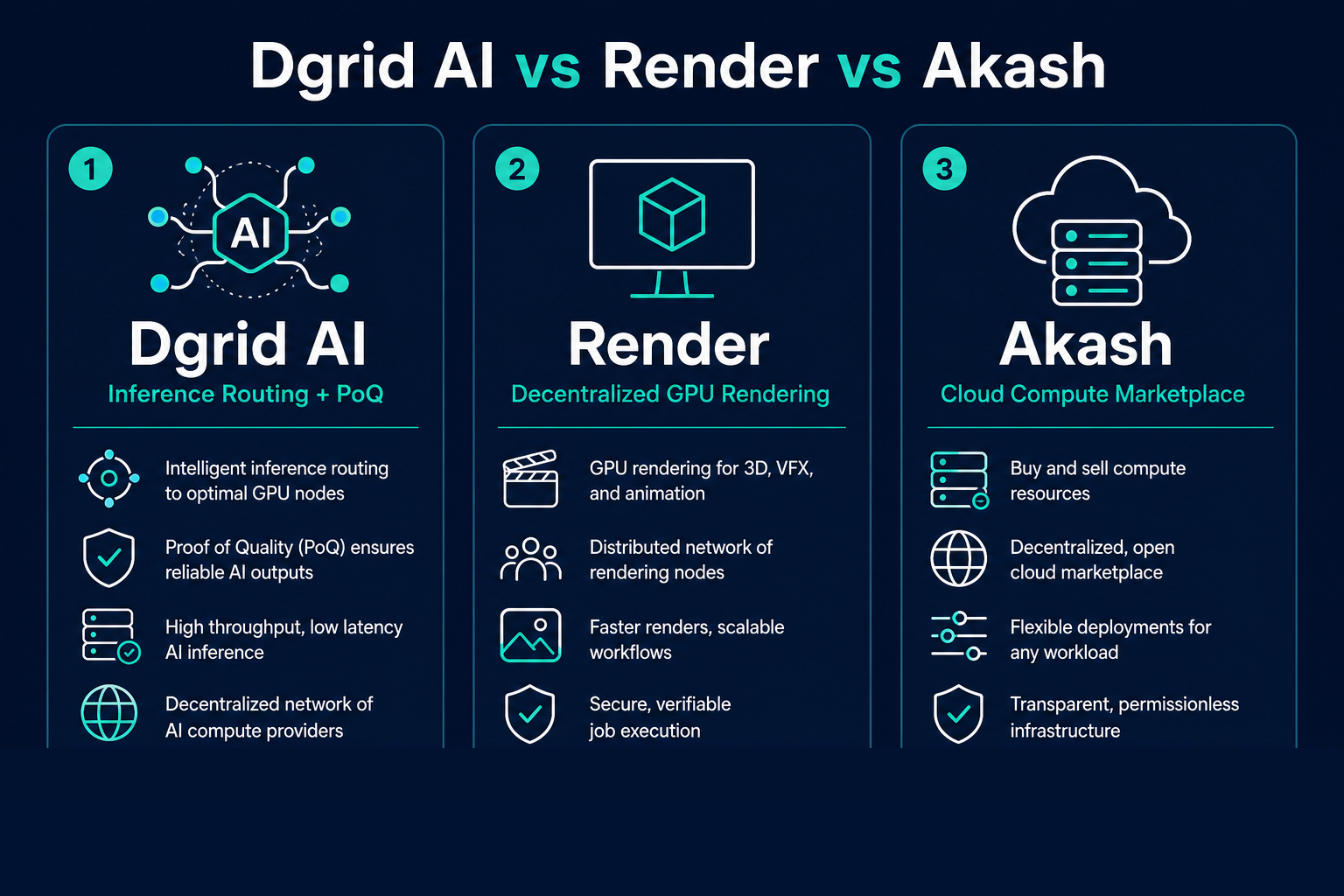
Before integrating decentralized inference into your stack, you must define what you are actually trying to decentralize. The term is often used loosely, but the architectural implications vary wildly depending on whether you are prioritizing censorship resistance, cost reduction, or data sovereignty.
Start by mapping your latency and throughput requirements. Decentralized networks typically introduce higher latency than centralized cloud providers due to node discovery, consensus, and network hops. If your application requires real-time responses under 200ms, a fully decentralized node mesh may not be viable without significant optimization or a hybrid approach.
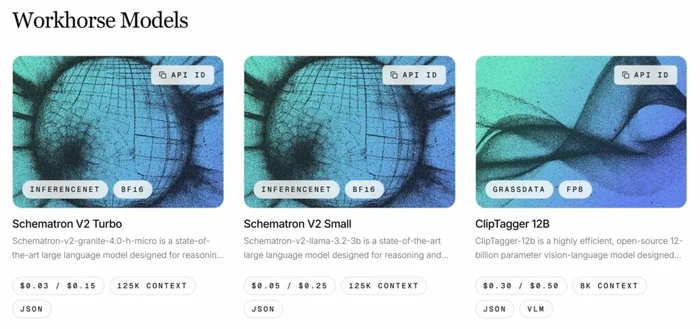
Next, evaluate the model quantization and format support. Not all decentralized inference markets support the same model architectures or precision levels. Ensure your chosen provider supports your specific model weights (e.g., GGUF, AWQ, or FP16) and that the node operators have the necessary GPU VRAM to run them without swapping to CPU, which would destroy performance.
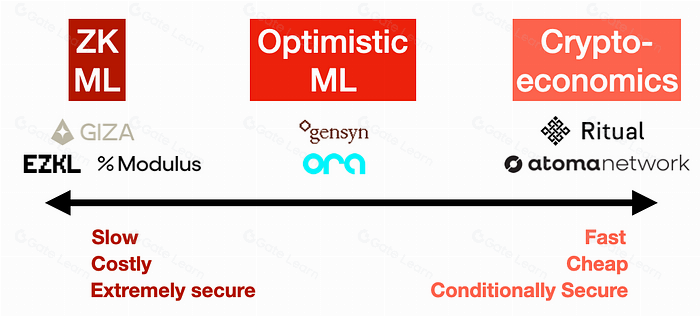
Finally, verify the economic incentives and node reliability. Decentralized inference relies on a marketplace of independent GPU providers. Check the historical uptime, slashing conditions, and reputation systems of the network. A network is only as reliable as its least reliable node, so understanding the penalty mechanisms for downtime is critical for production stability.
How to build and run a decentralized inference task
Decentralized inference lets you run AI models on a network of independent nodes rather than a single cloud provider. This approach reduces costs, avoids censorship, and keeps your data private. Follow these steps to submit a task, verify the result, and pay for the compute.
Choose a model that matches your needs, such as Llama 3 or Mistral. Most decentralized markets support standard Hugging Face models. Format your input as a clear, concise prompt. If you are processing sensitive data, ensure the model supports local execution to keep information off public servers.
Use a Web3 wallet like MetaMask or Phantom to interact with the marketplace. Fund your wallet with the native token of the network, such as ETH, SOL, or FIL. Check the current gas fees and node pricing to estimate your total cost. Most platforms require a small deposit to cover potential penalties if a node fails to deliver.
Paste your prompt and select the desired model on the marketplace interface. Review the node reputation scores if available; higher-rated nodes often provide faster or more accurate results. Confirm the transaction in your wallet. The task is now broadcast to the network, where independent miners compete to process it.
Once a node completes the task, the result is returned to your dashboard. Check the output for accuracy and completeness. If the result is valid, the smart contract releases the payment to the node and returns any unused deposit to your wallet. If the result is flawed, you can flag it for dispute resolution.
Common Mistakes in Decentralized Inference
Decentralized inference markets promise lower costs and censorship resistance, but the gap between theory and production reality is wide. Most projects fail because they ignore the physical constraints of hardware or misjudge the trust assumptions required for untrusted execution.
Ignoring Hardware Fragmentation
The biggest hurdle in decentralized inference is not the model architecture, but the hardware diversity. Unlike centralized cloud providers that standardize on specific GPU clusters, decentralized networks aggregate compute from thousands of independent nodes. These nodes vary wildly in memory bandwidth, VRAM capacity, and thermal constraints.
Developers often design models assuming uniform hardware performance. When a model is split across heterogeneous nodes, the slowest node dictates the total latency. This "straggler effect" can make decentralized inference slower than a single high-end GPU, negating the cost benefits. Always benchmark against the lowest common denominator in your target network, not the average.
Overestimating Trust in Untrusted Execution
Many projects tout "untrusted execution" via Trusted Execution Environments (TEEs) like Intel SGX as a silver bullet for security. While TEEs prevent the node operator from seeing your data, they do not guarantee the integrity of the computation itself. Side-channel attacks and hardware vulnerabilities have repeatedly been shown to leak sensitive information from supposedly secure enclaves.
Additionally, relying solely on TEEs reintroduces a central point of failure: the hardware manufacturer. If a vulnerability is discovered in the TEE firmware, the entire network's security model collapses. For high-stakes applications, combine TEEs with cryptographic proofs or multi-party computation to distribute trust, rather than betting on a single hardware feature.
Misjudging Network Latency
Decentralized inference often involves multiple round-trips between the orchestrator, worker nodes, and the client. Each hop adds latency. In a centralized API, the round-trip time is typically under 50ms. In a decentralized market, it can exceed 500ms due to node selection, data transfer, and verification steps.
This latency is unacceptable for real-time applications like autonomous driving or live translation. Before committing to a decentralized provider, profile your application's tolerance for delay. If your use case requires sub-100ms responses, centralized inference remains the only viable option today. For batch processing or offline analysis, decentralized markets offer significant cost advantages.
Decentralized inference: what to check next
Before committing to a decentralized inference provider, it helps to separate the marketing from the mechanics. These answers address the most common practical objections regarding cost, reliability, and the actual meaning of "decentralized" in this context.
No comments yet. Be the first to share your thoughts!